


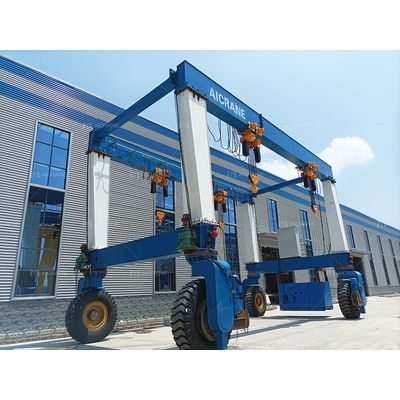
Maximizing Flexibility with Rubber Tyred Gantry Cranes
In the dynamic world of port operations, flexibility is a key factor in adapting to changing demands and optimizing efficiency. Rubber Tyred Gantry Cranes (RTGs) have emerged as indispensable tools in achieving this flexibility. By combining mobility, versatility, and precision, RTGs empower ports to maximize their operational flexibility and respond effectively to evolving logistical challenges. This article explores how RTGs enable ports to achieve unprecedented levels of flexibility, thereby enhancing their ability to meet the demands of modern maritime trade.
Mobility and Maneuverability
At the heart of RTGs' flexibility lies their mobility and maneuverability. Unlike traditional gantry cranes that are fixed to rails, RTGs are equipped with rubber tires, allowing them to move freely throughout the terminal yard. This mobility enables RTGs to quickly and easily reach containers located in different areas of the terminal, minimizing the time and effort required to complete handling tasks. Whether it's loading or unloading vessels, stacking containers, or repositioning cargo, RTGs can navigate the terminal with agility, adapting to changing operational requirements on the fly.
Versatility in Container Handling
RTGs offer unparalleled versatility in container handling operations. With their adjustable spreader beams and precise control systems, RTGs(Кран козловой электрический) can handle containers of various sizes, shapes, and weights with ease. This versatility allows ports to accommodate a wide range of cargo types, from standard containers to specialized equipment, without the need for additional handling equipment. RTGs can also perform multiple tasks simultaneously, such as loading containers onto trucks while simultaneously unloading containers from vessels, further maximizing operational efficiency.
Adaptability to Operational Changes
In today's fast-paced maritime industry, operational changes are inevitable. Whether it's sudden fluctuations in cargo volumes, changes in vessel schedules, or unexpected disruptions, ports must be able to adapt quickly to maintain smooth operations. RTGs excel in this regard, thanks to their ability to adjust their operations in response to changing conditions. Operators can easily reconfigure RTGs to prioritize specific tasks, redistribute resources as needed, and optimize workflow to minimize delays and maximize productivity.
Efficient Space Utilization
RTGs play a crucial role in optimizing space utilization within port terminals. Their ability to stack containers vertically allows ports to make the most of limited storage space, maximizing terminal capacity without the need for costly expansions. Furthermore, RTGs can navigate narrow aisles and tight spaces with precision, allowing ports to optimize the layout of their terminal yards and minimize congestion. This efficient use of space not only improves operational efficiency but also reduces the environmental footprint of port operations.
Scalability and Modular Design
RTGs offer scalability and flexibility through their modular design. Ports can easily scale their RTG fleets up or down to meet changing demand levels by adding or removing individual cranes as needed. This scalability allows ports to adapt their container handling capacity to match fluctuations in trade volumes without overcommitting resources or investing in costly infrastructure expansions.
Furthermore, the modular design of RTGs enables ports to customize their equipment to suit specific operational requirements. Ports can configure RTGs with different lifting capacities, outreach lengths, and technology integrations to optimize performance for their unique needs. This flexibility ensures that ports can tailor their RTG fleets to accommodate various types of vessels, cargo mixes, and operational environments, maximizing their operational flexibility and efficiency.
Environmental Sustainability
In addition to enhancing operational flexibility, RTGs contribute to environmental sustainability in port operations. The adoption of electric-powered RTGs, equipped with energy-efficient components and regenerative braking systems, reduces carbon emissions and minimizes the ecological footprint of container handling operations. Furthermore, the integration of alternative energy sources, such as solar or wind power, further enhances the sustainability of RTG operations, reducing reliance on fossil fuels and mitigating environmental impact.
In conclusion, Rubber Tyred Gantry Cranes (RTGs) are indispensable assets for maximizing flexibility in port operations. Their mobility, versatility, adaptability, and efficiency enable ports to respond effectively to changing demands, optimize workflow, and make the most of limited resources. By harnessing the power of RTGs, ports can enhance their operational flexibility, improve productivity, and maintain a competitive edge in the dynamic world of maritime trade. As the demands of global commerce continue to evolve, RTGs will remain essential tools for ports seeking to maximize their flexibility and efficiency.