


Mining Submersible Pumps - The Backbone of Efficient Slurry Management
Mining submersible pumps are specifically engineered to operate in submerged conditions, where other types of pumps would fail. They offer a solution to several challenges in mining, such as handling abrasive, corrosive, and sediment-heavy fluids. These pumps also significantly reduce the risk of equipment failure due to dry running, a common problem with traditional pumps. This blog will examine the significance of submersible mining pumps in the industry and how they help address some of the most pressing challenges in slurry management.
Definition and Core Functions
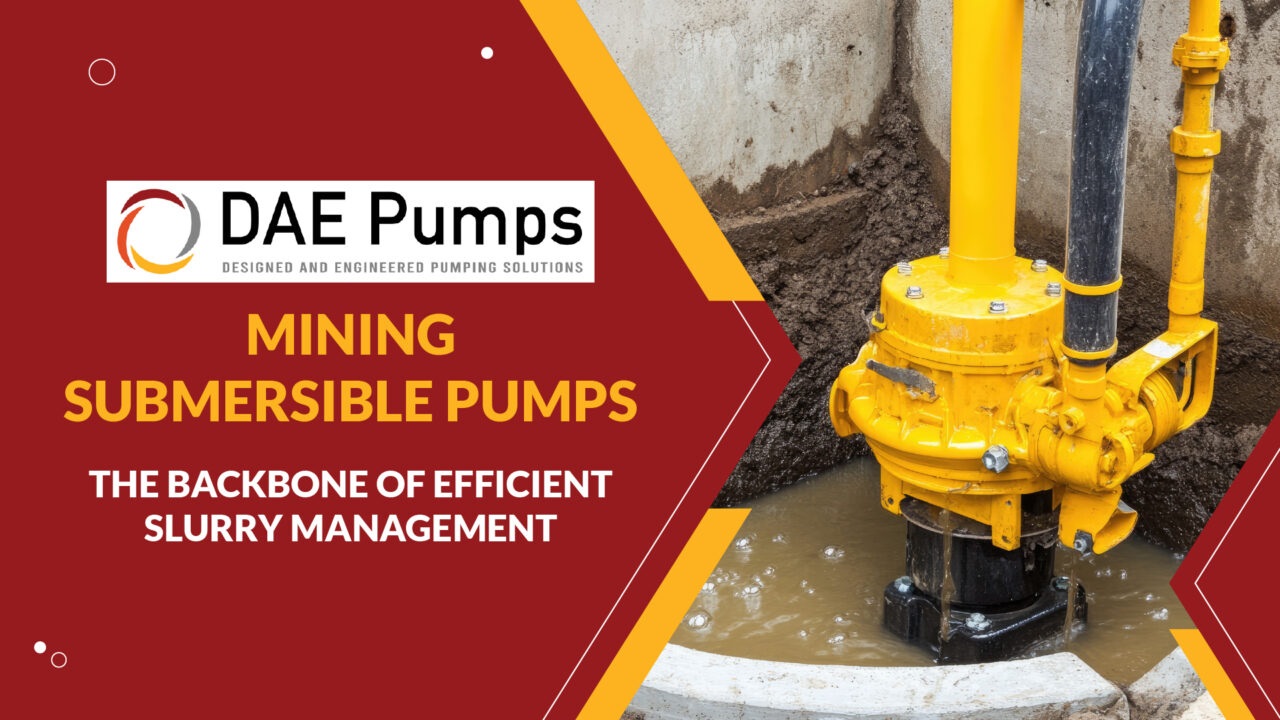
A mining submersible pump is a type of pump designed to operate while fully submerged in a fluid. These pumps are typically used to transfer fluids, such as slurry, tailings, and groundwater, from one location to another in mining operations. Unlike centrifugal or diaphragm pumps, submersible mining pumps are engineered for use in submerged conditions, making them ideal for environments such as tailings ponds, underground mines, and slurry transport systems.
The primary function of submersible mining pumps is to transport fluids efficiently, even under the most extreme conditions. These pumps are equipped with a sealed motor inside the pump housing, preventing water from damaging the components. The pump’s design allows it to operate while submerged in water, making it ideal for mining applications where fluid handling is essential.
Key Differences from Other Pumping Technologies Used in Mining
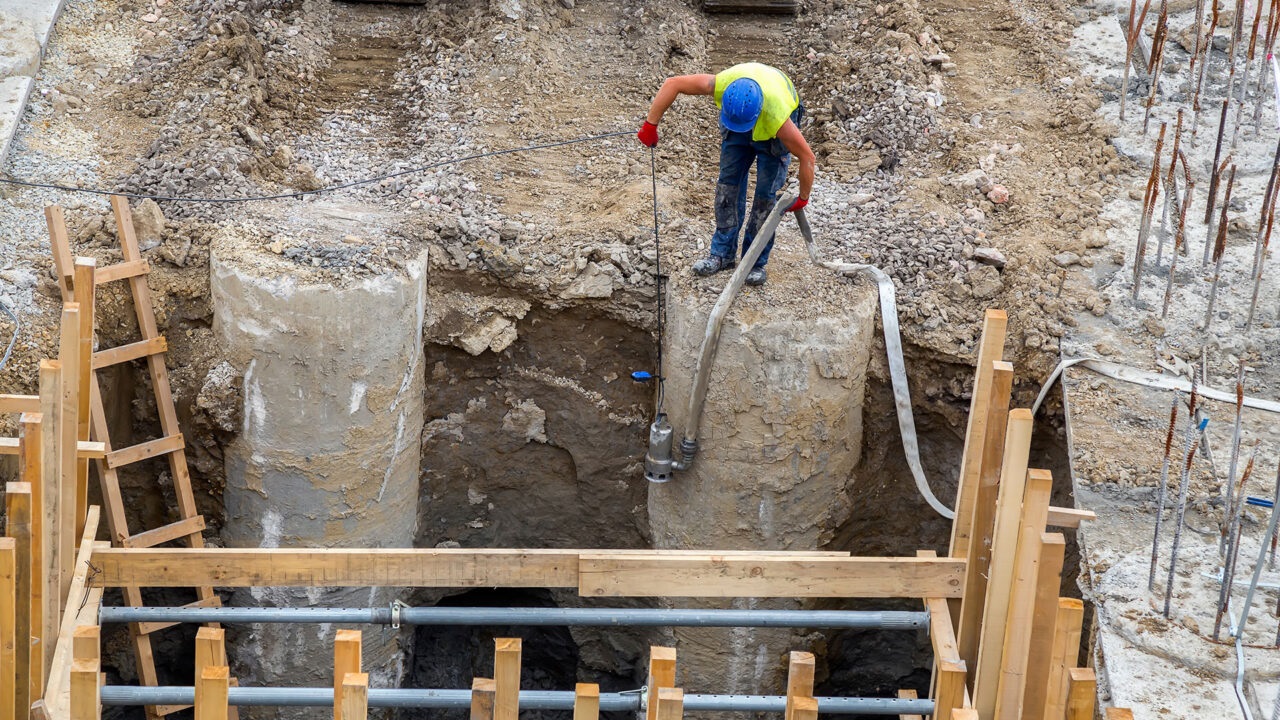
Compared to other types of pumps commonly used in mining, submersible pumps for mining slurry stand out for their ability to operate in submerged conditions without requiring priming. Traditional pumps, such as centrifugal pumps, require an external source of suction or priming to operate, which can lead to airlock and cavitation issues. Submersible mining pumps, on the other hand, are self-priming and can operate continuously without requiring priming.
Additionally, submersible mining pumps are designed to handle a higher volume of abrasive and corrosive fluids, which are common in mining environments. They are constructed with heavy-duty materials and advanced sealing mechanisms, enabling them to handle solids, slurries, and sediments without clogging or failing.
How a Submersible Pump for Mining Slurry Operates Under Submerged Conditions
Submersible pumps for mining slurry operate by utilizing a motor and impeller system that creates suction, pulling the slurry into the pump housing. The motor, located inside the pump casing, drives the impeller, which in turn moves the slurry through the pump and out through the discharge pipe. The motor is sealed inside the pump to prevent any fluid from entering and damaging the components.
The ability to operate in submerged conditions is one of the key features that distinguishes submersible pumps for mining slurry from other pumping technologies. Since the motor and pump are fully submerged, there is no risk of the pump running dry, which reduces the likelihood of failure and the need for regular maintenance.
Reliability in Abrasive, Corrosive, and Sediment-Heavy Environments
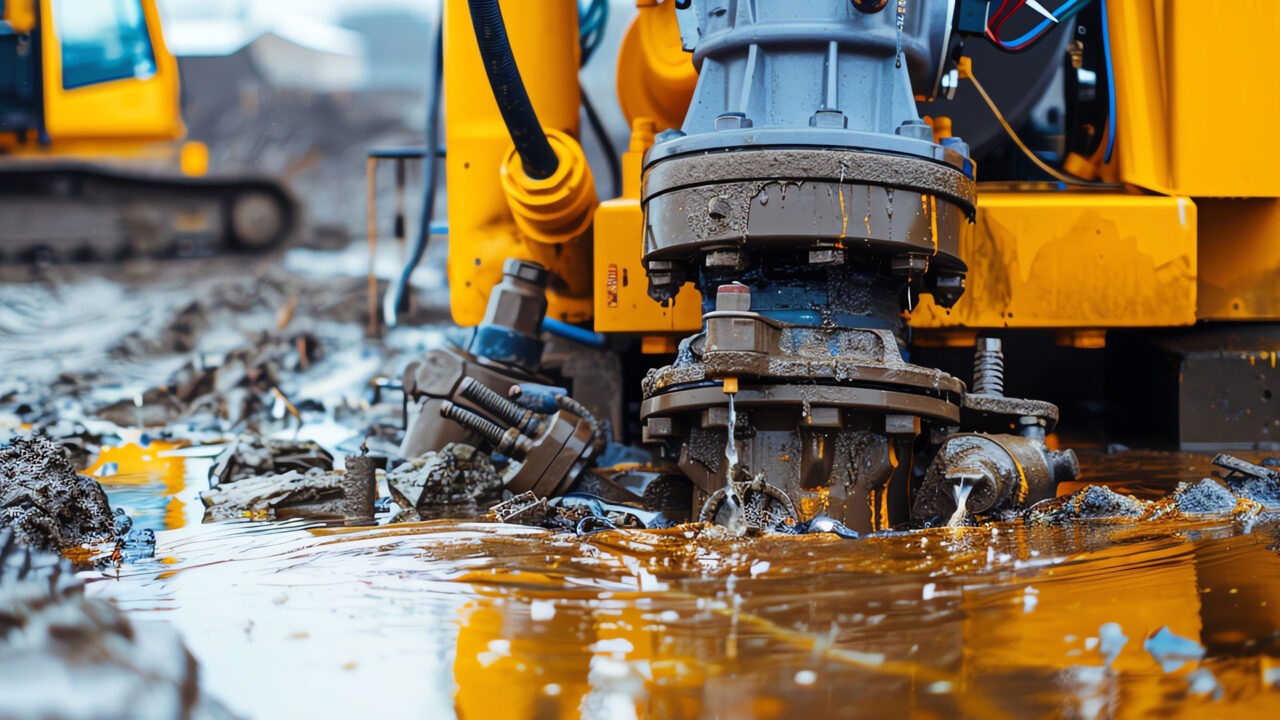
Mining operations often involve handling harsh materials, including abrasive sediments, corrosive chemicals, and heavy slurries. Pumps other than submersible pumps for mining sector market often struggle to handle these challenging conditions, resulting in frequent breakdowns and increased maintenance costs. Submersible mining pumps, however, are designed to withstand these harsh conditions. Their heavy-duty construction and materials are built to resist wear and tear, making them ideal for use in environments where other pumps would quickly fail.
Reduced Priming Issues Compared to Traditional Pumps
One of the most significant advantages of submersible mining pumps is their ability to operate without requiring priming. Traditional pumps require an external source of suction to create a vacuum and initiate operation. If there is a loss of prime, the pump can fail, leading to downtime and operational delays. Submersible mining pumps eliminate this issue, as they are self-priming and can operate continuously, even in conditions where other pumps would struggle to start.
Improved Safety and Lower Maintenance Costs
Safety is a critical concern in mining operations, where equipment failure can lead to costly delays and, more importantly, risk to workers’ safety. Submersible mining pumps improve safety by operating in submerged conditions, which reduces the need for personnel to be exposed to hazardous fluids. Additionally, these pumps require less maintenance due to their robust design and ability to handle challenging materials without clogging or breaking down. This reduces downtime and lowers overall maintenance costs for mining companies.
Energy Efficiency and Operational Lifespan
Energy efficiency is another crucial consideration in mining operations, where energy consumption can account for a substantial portion of operating costs. Submersible mining pumps are designed to operate efficiently, consuming less energy while maintaining high performance levels. Their energy-efficient motors and low-friction components help reduce power consumption, resulting in long-term cost savings.
Moreover, submersible pumps for mining slurry are built to last. Their advanced construction and wear-resistant materials ensure that they can withstand the harsh conditions of mining operations for extended periods. As a result, they offer a longer operational lifespan than traditional pumps, making them a more cost-effective solution for mining companies.
- Slurry Transport from Excavation Sites
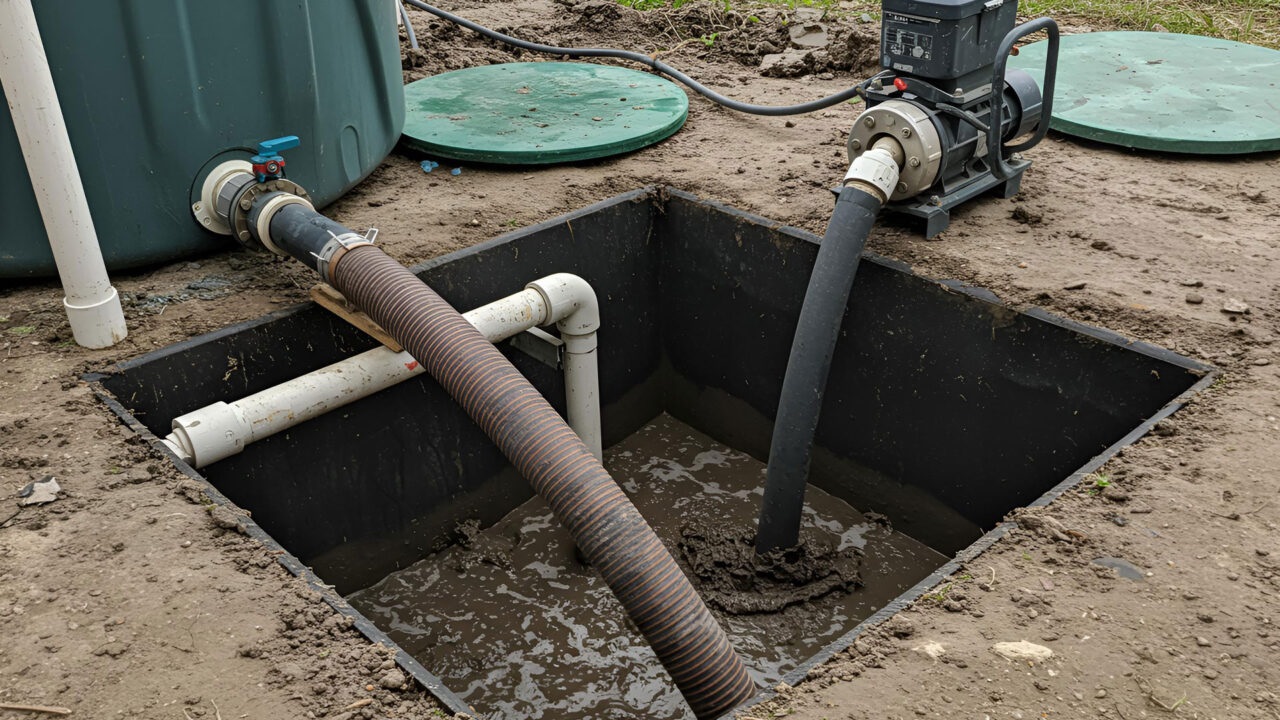
Mining submersible pumps are essential for transporting slurry from excavation sites. Slurry, which is a mixture of water, sediment, and chemicals, is often generated during the excavation and processing of minerals. These pumps efficiently move slurry from one location to another, reducing the risk of sediment buildup and maintaining smooth operations.
- Tailings Pond Management
Tailings ponds are a common byproduct of mining operations, where leftover materials from the extraction process are stored. These ponds often contain toxic chemicals, heavy metals, and other contaminants that must be managed carefully to avoid environmental damage. Submersible mining pumps are used to transport slurry and water from tailings ponds to treatment facilities, preventing these ponds from overflowing and causing environmental contamination.
- Underground Water Removal and Mine Dewatering
In underground mining operations, water can accumulate in tunnels and shafts, creating hazardous conditions and hindering progress. Submersible mining pumps are crucial for dewatering mines by removing excess water, ensuring that mining operations continue smoothly. These pumps are specifically designed to operate in confined spaces, making them ideal for removing underground water.
- Handling of Fine Particles and Abrasive Sediments
Mining submersible pumps are equipped to handle fine particles and abrasive sediments commonly found in mining operations. The pumps’ advanced sealing and filtration systems ensure that these particles do not clog the pump or cause damage. This ability to handle tough materials makes submersible pumps for mining slurry ideal for applications such as slurry transport, tailings management, and sediment removal.
- Materials and Design for Abrasive Resistance
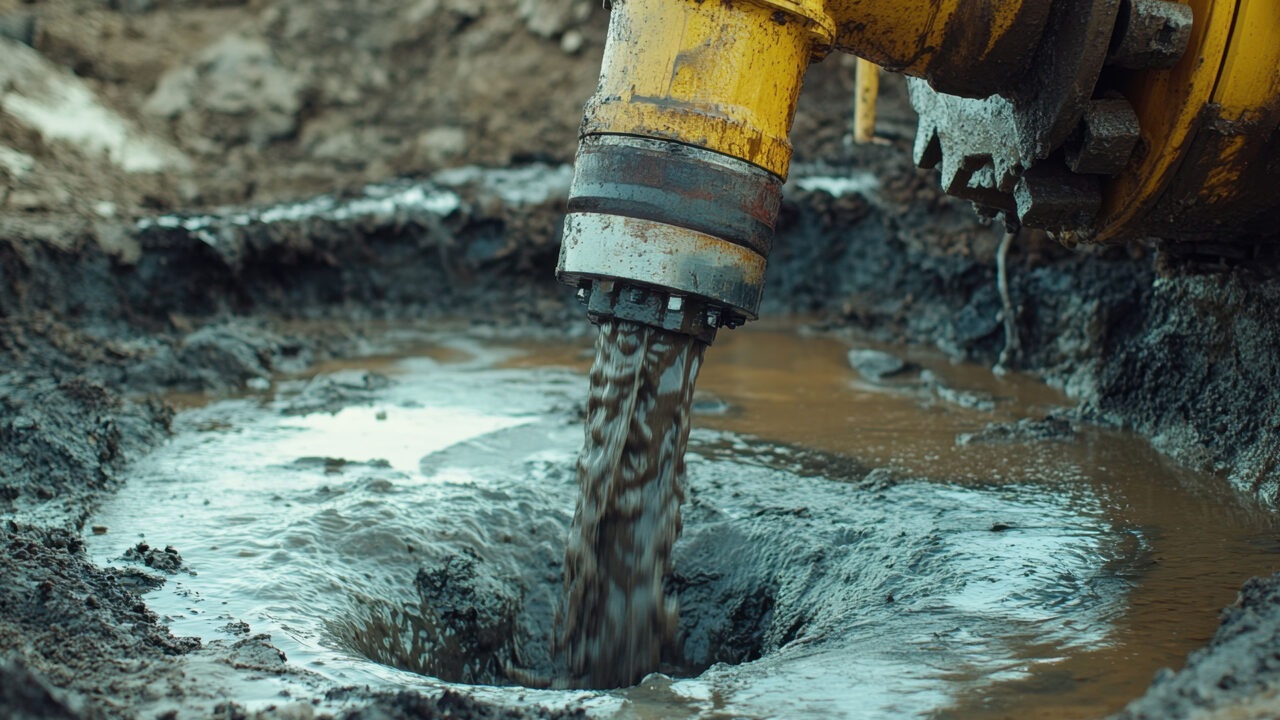
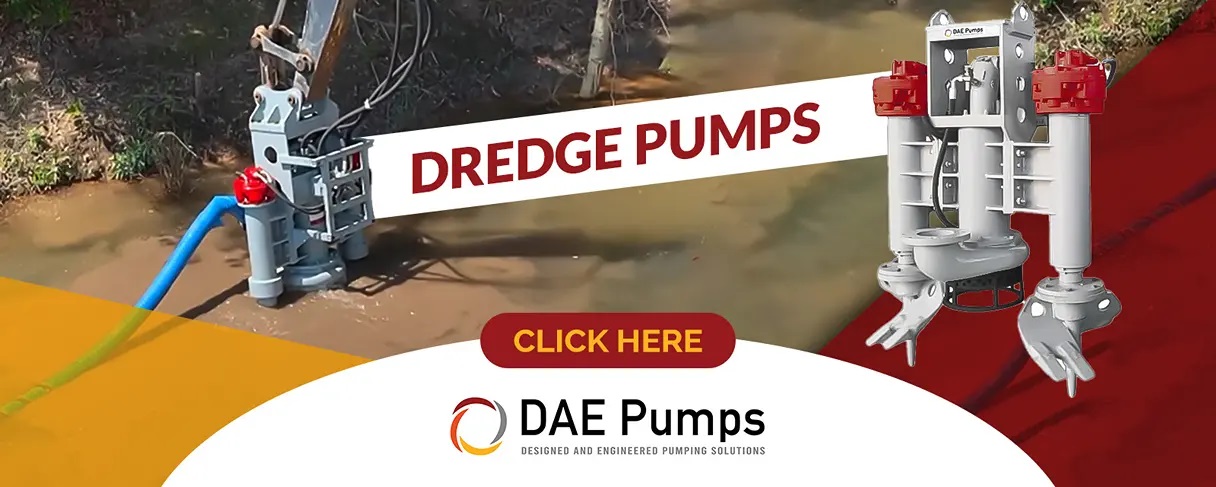
Mining submersible pumps are designed with materials that are resistant to abrasion, corrosion, and wear. Components such as the impeller, casing, and motor housing are made from high-strength alloys or composite materials that can withstand the harsh conditions of mining environments. These materials ensure that the pump operates efficiently and reliably over long periods, even when handling abrasive slurry or tailings.
- Motor Protection and Cooling Systems
The motors used in submersible mining pumps are specially designed to operate in submerged conditions. They are equipped with cooling systems to prevent overheating, which is crucial for ensuring the pump’s longevity and reliability. Additionally, the motors are sealed to prevent water and other contaminants from entering and causing damage.
- Capacity, Head Pressure, and Efficiency Factors
When selecting a submersible pump for mining slurry, it is essential to consider factors such as capacity, head pressure, and efficiency. These factors determine the pump’s ability to handle the required flow rate, lift height, and operating conditions. The right combination of capacity and head pressure ensures that the pump can efficiently move slurry or water through the system, while maintaining optimal energy efficiency.
- Selection Criteria for Specific Mining Environments
Selecting the right submersible pump for a mining environment involves considering factors such as the type of material being pumped, the depth of the water or slurry, and the specific operational requirements of the application. By evaluating these factors, mining companies can select a pump that is best suited to their needs, ensuring the pump operates efficiently and reliably under the specific conditions of their mining site.
Market Growth Trends and Regional Demand
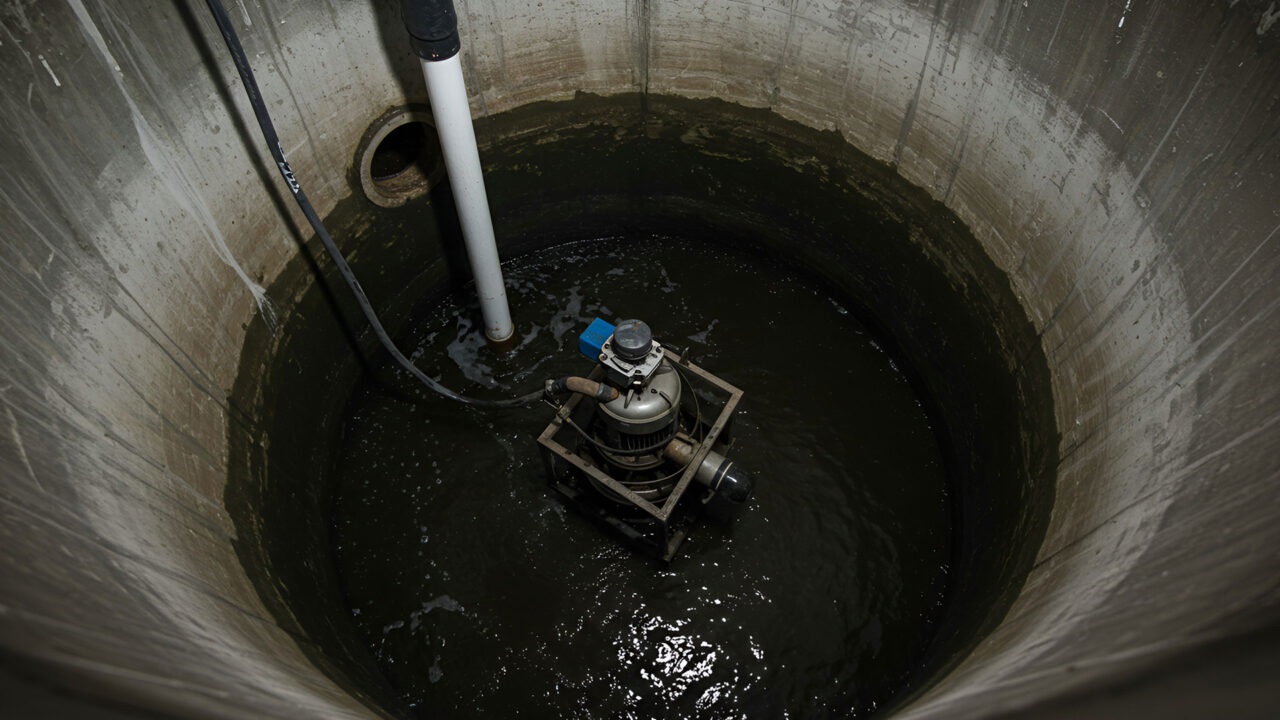
The global market for mining submersible pumps is experiencing rapid growth, driven by increasing demand for mining operations worldwide. The rise in mining activities in regions such as Asia-Pacific, North America, and Latin America has led to a surge in the adoption of submersible pumps in mining operations. The growth of the mining sector, particularly in emerging economies, is expected to continue driving the demand for efficient and reliable fluid handling solutions.
Key Industries Driving Adoption of Submersible Pumps in Mining
The key industries driving the adoption of submersible mining pumps include coal mining, gold mining, and mineral extraction. These industries rely heavily on efficient fluid handling systems to manage slurry, tailings, and water. Submersible mining pumps are also increasingly used in the extraction of rare earth minerals, which are in high demand for electronic and green technologies.
Sustainability and Environmental Compliance Factors Shaping the Market
Sustainability is a growing concern in the mining industry, and companies are under increasing pressure to comply with environmental regulations. Submersible mining pumps play a crucial role in helping mining companies achieve their sustainability goals by enabling efficient tailings management, water treatment, and dewatering. By reducing the environmental impact of mining operations, submersible pumps for mining slurry enable companies to achieve compliance with environmental standards and lower their carbon footprint.
Smart Sensors and Remote Monitoring
Recent advancements in mining submersible pumps include the integration of smart sensors and remote monitoring capabilities. These technologies enable mining companies to monitor the performance of their pumps in real-time, allowing for predictive maintenance and reducing downtime. By collecting data on factors such as flow rate, pressure, and temperature, these systems help optimize pump performance and extend the equipment’s lifespan.
Advanced Metallurgy and Wear-Resistant Coatings
The development of advanced metallurgy and wear-resistant coatings has improved the durability and performance of submersible mining pumps. These innovations enable pumps to withstand the abrasive conditions commonly found in mining environments, thereby reducing wear and tear and extending the equipment’s lifespan.
Integration with Automated Mining Systems
Submersible mining pumps are being increasingly integrated with automated mining systems, enabling more efficient and streamlined operations. These systems use artificial intelligence and machine learning algorithms to optimize pump performance and automate tasks such as slurry transport and tailings management.
Importance of Working with Experienced Suppliers
When selecting a submersible mining pump, it is essential to collaborate with experienced suppliers who understand the specific needs of the mining industry. A trusted supplier can help guide you in choosing the right pump for your operation and provide ongoing support to ensure the pump performs optimally.
After-Sales Service, Spare Parts Availability, and Lifecycle Support
Reliable after-sales service, spare parts availability, and lifecycle support are essential when choosing a pump partner. Mining operations require continuous operation, and any downtime due to equipment failure can result in significant delays and costly consequences. A reputable supplier will provide comprehensive support throughout the pump’s lifecycle, including installation, maintenance, and repair services.
Why DAE Pumps is Trusted in the Mining Submersible Pumps Market
DAE Pumps is a trusted partner in the mining submersible pumps market due to its commitment to quality, reliability, and customer satisfaction. With years of experience in the industry, DAE Pumps offers a wide range of submersible pumps designed to meet the unique needs of mining operations. Our pumps are engineered to deliver exceptional performance in even the harshest conditions, ensuring that mining companies can rely on them to handle slurry, tailings, and groundwater management efficiently and effectively.
Mining submersible pumps play a crucial role in efficiently handling fluids in mining operations. From slurry transport and tailings management to mine dewatering and sediment removal, these pumps are designed to withstand the toughest conditions. By selecting the right pump for their operations, mining companies can enhance efficiency, minimize downtime, and achieve their sustainability goals.
If you’re looking for reliable and high-performance submersible mining pumps, explore DAE Pumps’ comprehensive range of solutions. Our pumps are designed to meet the specific needs of mining operations, ensuring optimal performance and minimal maintenance requirements. Contact us today to learn more about how DAE Pumps can support your mining operation.