
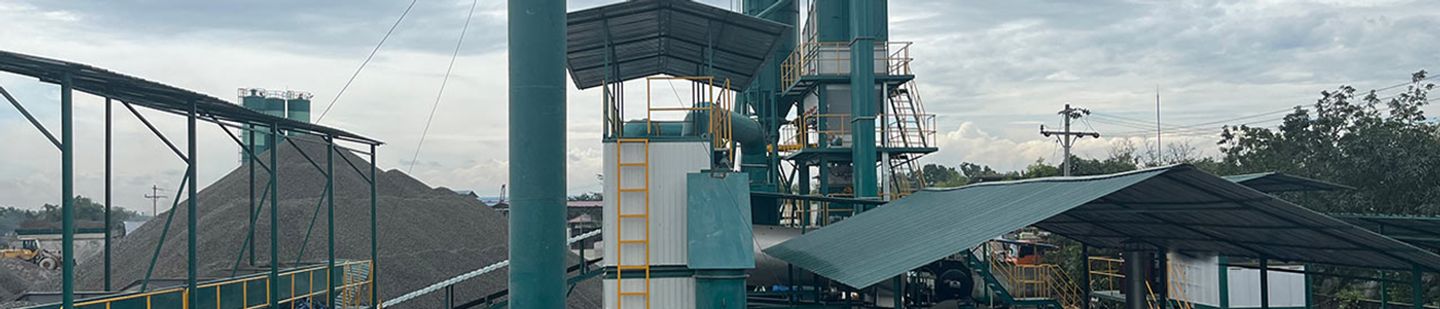

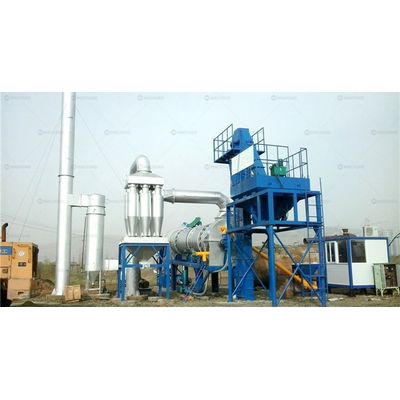
Optimizing Operation for Drum Asphalt Mixing Plant Efficiency
After purchasing a drum asphalt mixing plant designed for hot asphalt production, buyers must focus on optimizing on-site production scheduling and raw material preheating management. These strategies are crucial for reducing energy consumption of the unit hot mix asphalt mixture, ultimately enhancing the long-term operational profit of the equipment. This article outlines effective methods to achieve these objectives and ensure efficient plant operations.
Effective On-Site Production Scheduling
The first step in optimizing operations with a drum asphalt mixing plant is implementing an effective on-site production scheduling system. This system should take into account the anticipated demand for asphalt and the operational capacity of the plant. By accurately forecasting production needs, buyers can minimize idle time and ensure that the plant operates at optimal efficiency.
Scheduling should also align with traffic patterns and weather conditions. Production can be adjusted to align with times of lower traffic, reducing the need for additional lane closures that occur during peak hours. Additionally, operating during favorable weather can minimize delays and enhance the quality of the asphalt mixture. By strategically scheduling production times, buyers can significantly reduce energy consumption, as the plant will be running under optimal conditions with minimal interruptions.
Another aspect of effective scheduling is coordinating the timing of raw material delivery. Ensuring that raw materials are delivered shortly before they are needed can minimize the time spent on storage, reducing exposure to adverse weather conditions. This not only keeps materials in optimal condition but also helps in maintaining consistent production flows, which is crucial for energy efficiency.
Raw Material Preheating Management
Efficient raw material preheating management is another crucial factor in reducing energy consumption during the operation of a drum asphalt mixing plant. Properly preheating aggregates and bitumen reduces the amount of energy required during the mixing process, facilitating a more uniform hot mix.
One effective method for raw material preheating is to utilize recycled heat collected from the mixing process. Many modern drum asphalt mixing plants are equipped with heat recycling systems that capture excess heat from the smokestack or mixing chamber. This recycled heat can then be applied to warm up the aggregates before they enter the mixer, significantly reducing the need for additional energy input.
Moreover, establishing specific temperature thresholds for different types of materials is essential. Buyers should monitor and manage the preheating temperatures based on the type of asphalt being produced. For instance, certain asphalt mixes may require higher preheating than others, depending on their viscosity and intended application. Such precise temperature control optimizes energy use and contributes to a more consistent final product.
Monitoring and Data Analysis for Continuous Improvement
Ongoing monitoring and data analysis are key to improving the operational efficiency of a drum asphalt mixing plant. By collecting data on energy consumption, production rates, and material temperatures, buyers can identify trends and areas for improvement.
Utilizing data analytics tools can help detect inefficiencies in the production process. For example, if data shows that energy consumption spikes during specific times of day or under certain operational conditions, adjustments can be made to scheduling or preheating practices. Such real-time insights allow for proactive management of the plant and can lead to substantial energy savings.
Additionally, establishing feedback loops with operators can facilitate ongoing adjustments to processes. Training staff to monitor energy usage while sticking to production schedules ensures that everyone is aligned toward optimizing resource use. Collectively, these efforts contribute to maximizing long-term profits through enhanced operational efficiency.
Conclusion
In conclusion, optimizing on-site production scheduling and raw material preheating management is essential for maximizing the energy efficiency of a hot asphalt mixing plant. By implementing effective scheduling strategies, managing preheating processes carefully, and utilizing data for continuous improvement, buyers can significantly reduce energy consumption and increase the operational profit of their equipment. These strategies not only contribute to immediate cost savings but also support the sustainable operation of asphalt mixing plants over the long term.