


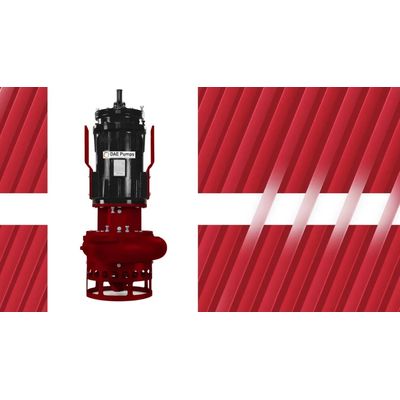
Positive Displacement Pumps vs Centrifugal Pumps: When and Why to Use Each Type
Pumps play an indispensable role in the vast world of industrial applications. From moving liquids through pipelines to transferring slurries, a pump’s efficiency and effectiveness directly impact the productivity and operational costs of an entire system. Selecting the right type of pump is crucial, as it ensures the smooth operation of processes and minimizes downtime and maintenance costs. Two categories stand out among the myriad pump types available due to their widespread use and versatility: Positive Displacement (PD) pumps and Centrifugal pumps.
This blog aims to provide a comprehensive guide on these two main categories of pumps. By the end of this guide, readers will have a clear understanding of the working principles, advantages, and typical applications of both Positive Displacement and Centrifugal pumps. Additionally, we will delve into the critical factors to consider when choosing between these two pump types and present real-world case studies that highlight the importance of making an informed decision. Understanding the nuances of positive displacement pump vs centrifugal pump selection is key to optimizing your industrial processes.

Pumps are mechanical devices designed to move fluids (liquids or gases) from one place to another. They are integral to a wide range of industries, including oil and gas, chemical processing, water treatment, food and beverage, and mining. The primary function of a pump is to increase the pressure of a fluid, enabling it to flow through a system, whether it’s a pipeline, a processing plant, or an irrigation system.
Several types of pumps are available, each designed to handle specific fluids, flow rates, pressures, and environmental conditions. The most common types of pumps can be broadly categorized into two groups: Positive Displacement pumps and Centrifugal pumps. The debate of positive displacement pump vs centrifugal pump often arises when deciding which pump to use for specific applications.
These pumps work by trapping a fixed amount of fluid and then displacing that fluid into the discharge pipe. The flow rate of PD pumps is constant regardless of the system’s pressure, making them ideal for applications that require precise dosing or the handling of high-viscosity fluids. This makes the positive displacement pump vs centrifugal comparison crucial, particularly in precision-demanding environments.
These pumps use the kinetic energy of a spinning impeller to increase the fluid’s velocity, which is then converted into pressure energy. Centrifugal pumps are known for their ability to handle high flow rates and are commonly used in applications where large volumes of low-viscosity fluids need to be moved. This leads to frequent considerations of centrifugal pump vs positive displacement pump based on flow requirements.
Choosing the right pump type is crucial for ensuring efficiency and longevity in industrial applications. The wrong choice can lead to increased wear and tear, higher energy consumption, frequent maintenance, and, ultimately, system failure. Therefore, understanding the basic working principles and advantages of each pump type is the first step toward making an informed decision, especially when weighing the pros and cons of a positive displacement pump vs centrifugal pump.
Positive Displacement pumps operate by trapping a fixed volume of fluid in a chamber and then forcing (or displacing) that volume into the discharge pipe. The key characteristic of PD pumps is that they deliver a constant flow rate regardless of the system’s pressure. This makes them highly reliable for applications where maintaining a precise flow rate is critical, a factor often highlighted in positive displacement pump vs centrifugal pump comparisons.
Rotary Pumps:
These pumps move fluid by means of rotating parts such as gears, screws, or lobes. The rotary motion traps fluid in a cavity and then moves it through the pump to the discharge side. Common types of rotary pumps include gear pumps, lobe pumps, and screw pumps. They are often used in applications involving high-viscosity fluids such as oils, syrups, or slurries. This is a key consideration in the positive displacement pump vs centrifugal debate, particularly when viscosity is a concern.
Reciprocating Pumps:
These pumps use a piston or diaphragm to create a vacuum that draws fluid into a chamber, which is then displaced when the piston or diaphragm moves in the opposite direction. Reciprocating pumps can generate high pressures, making them suitable for applications such as hydraulic systems, chemical dosing, and water treatment. This capability is often a decisive factor in selecting a positive displacement pump over a centrifugal pump.
Diaphragm Pumps:
Diaphragm pumps are a type of reciprocating pump in which the diaphragm, usually made of a flexible material, moves back and forth to displace fluid. They are often used in applications requiring the handling of corrosive or abrasive fluids, as the fluid does not come into contact with the moving parts of the pump. This unique feature is a significant point of comparison in the discussion of positive displacement pump vs centrifugal pump.
Constant Flow Rate:
PD pumps deliver a continuous flow rate regardless of the system’s pressure. This is particularly important in applications that require precise fluid dosing or metering. This advantage is a critical factor in the decision-making process for the positive displacement pump vs centrifugal pump.
Handling High-Viscosity Fluids:
PD pumps are well-suited for handling high-viscosity fluids such as oils, syrups, and sludges. The flow rate remains consistent even as the fluid’s viscosity changes, which is a significant consideration in positive displacement pump vs centrifugal pump applications.
Self-Priming Capability:
Many PD pumps can self-prime, meaning they can evacuate air from the pump and start pumping fluid without the need for external priming. This feature often favors PD pumps in positive displacement pump vs. centrifugal pump comparisons.
High-Viscosity Fluids:
PD pumps are commonly used in industries where thick, viscous fluids need to be transferred, such as syrups and pastes in the food and beverage industry or heavy crude oils in the oil and gas industry. This application is a key factor in the decision to use a positive displacement pump instead of a centrifugal pump.
Metering and Dosing:
In chemical processing and water treatment, PD pumps are used to precisely meter and dose chemicals into a process. The constant flow rate ensures that the correct amount of fluid is delivered every time, making this a crucial factor in the positive displacement pump vs centrifugal pump debate.
Pumping Abrasive Fluids:
Due to their robust construction and ability to handle viscous and abrasive fluids, PD pumps are often used in mining and wastewater treatment applications. This robustness is a significant advantage when comparing positive displacement pumps and centrifugal pumps.
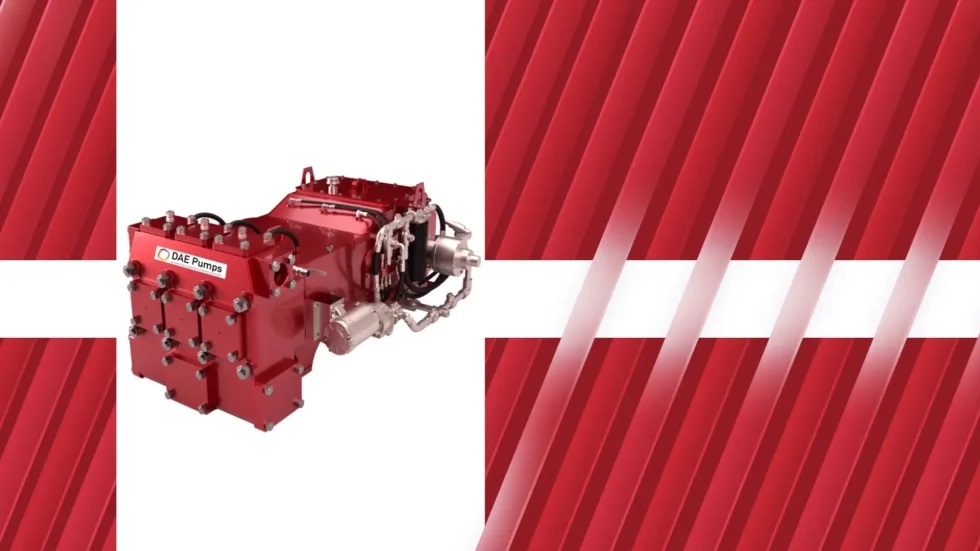
Centrifugal pumps operate on a different principle than Positive Displacement pumps. Instead of displacing a fixed volume of fluid, centrifugal pumps impart kinetic energy to the fluid using a spinning impeller. This kinetic energy is then converted into pressure energy, which moves the fluid through the pump and into the discharge pipe. Understanding this mechanism is key to understanding the centrifugal pump vs positive displacement pump differences.
Single-Stage Centrifugal Pumps:
These pumps have one impeller and are commonly used in applications where a high flow rate is required with moderate pressure. They are widely used in water treatment, irrigation, and HVAC systems. This is often contrasted with positive displacement pumps in the centrifugal pump vs positive displacement pump discussion.
Multi-Stage Centrifugal Pumps:
These pumps have multiple impellers arranged in series, allowing them to generate higher pressures. They are used in applications such as boiler feed systems, where high-pressure fluid delivery is required. This capability is critical in the comparison of centrifugal pumps vs positive displacement pumps.
Axial and Radial Flow Pumps:
Depending on the orientation of the impeller, centrifugal pumps can be classified as axial flow (where fluid flows parallel to the pump shaft) or radial flow (where fluid flows perpendicular to the pump shaft). Axial flow pumps are often used in applications requiring high flow rates at low pressure, such as in flood control, while radial flow pumps are used for higher-pressure applications. This classification is an important consideration in the centrifugal pump vs positive displacement pump debate.
High Flow Rate:
Centrifugal pumps can deliver high flow rates, making them ideal for applications involving large volumes of fluid transfer. This capability is a key factor in the centrifugal pump vs positive displacement pump decision.
Simplicity and Reliability:
Compared to PD pumps, centrifugal pumps have fewer moving parts, which makes them simpler to maintain and operate. They are also less prone to mechanical wear and tear. This simplicity is often a deciding factor in the choice of centrifugal pump vs positive displacement pump.
Cost-Effective:
Due to their simple design, centrifugal pumps are often more cost-effective to purchase and maintain than PD pumps. This cost-effectiveness is frequently highlighted in the centrifugal pump vs positive displacement pump comparison.
Low-Viscosity Fluids:
Centrifugal pumps are best suited for handling low-viscosity fluids such as water, chemicals, and light oils. They are commonly used in water treatment plants, chemical processing, and cooling systems. This application is often discussed in centrifugal pump vs positive displacement pump comparisons.
Large Volume Transfer:
In applications where large volumes of fluid need to be moved quickly, such as in irrigation systems or firefighting, centrifugal pumps are the preferred choice due to their high flow rate capability. This preference is a significant factor in the centrifugal pump vs positive displacement pump debate.
Cooling and Circulation:
Centrifugal pumps are extensively used in HVAC systems to circulate water and other coolants and in industrial processes that require continuous fluid circulation. This widespread use is a key consideration in centrifugal pump vs positive displacement pump decisions.
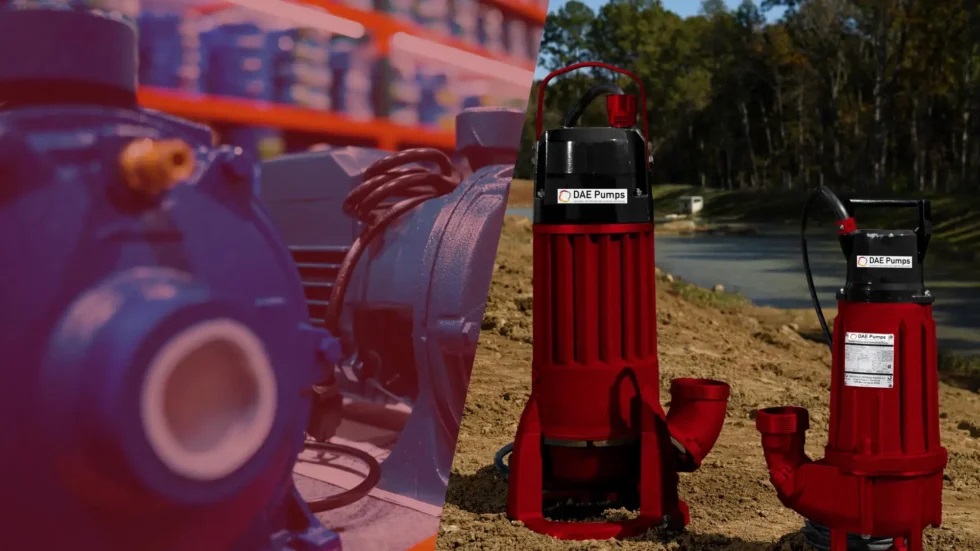
Choosing the right pump for a specific application requires careful consideration of several factors. The following are some of the critical factors to consider when deciding between Positive Displacement and Centrifugal pumps, especially when considering positive displacement pump vs centrifugal options:
Positive Displacement Pumps:
If your application requires a constant flow rate regardless of pressure changes, a PD pump is the best choice. PD pumps are ideal for metering and dosing applications where precision is crucial. This constant flow rate is a major point in the discussion of positive displacement pump vs centrifugal pump.
Centrifugal Pumps:
If you need to move large volumes of fluid at a high flow rate, a centrifugal pump is more suitable. However, the flow rate of centrifugal pumps can vary with changes in system pressure, which is a key factor in centrifugal pump vs positive displacement pump decisions.
Positive Displacement Pumps:
PD pumps are better suited for high-pressure applications, as they can generate high pressures without a significant drop in flow rate. This makes them ideal for hydraulic systems and applications requiring high-pressure fluid delivery, a point often emphasized in positive displacement pump vs centrifugal pump comparisons.
Centrifugal Pumps:
While centrifugal pumps can handle moderate pressures, their performance may decline at higher pressures, especially in single-stage designs. Multi-stage centrifugal pumps can handle higher pressures but may still need to catch up compared to PD pumps in extreme pressure applications. This is a critical consideration in centrifugal pump vs positive displacement pump discussions.
Viscosity:
PD pumps excel at handling high-viscosity fluids, making them the preferred choice for applications involving thick oils, syrups, or slurries. Centrifugal pumps, on the other hand, are better suited for low-viscosity fluids like water and light chemicals. This difference is a fundamental point in positive displacement pump vs centrifugal pump considerations.
Abrasiveness:
For abrasive fluids, PD pumps with robust construction materials are more suitable, as they are less prone to wear. Centrifugal pumps can suffer from erosion and wear when handling abrasive fluids. This wear resistance is a significant advantage when comparing positive displacement pumps and centrifugal pumps.
Chemical Compatibility:
Both PD and centrifugal pumps can be constructed from a variety of materials to handle corrosive or chemically aggressive fluids. The choice of material will depend on the specific chemical properties of the fluid being pumped. This versatility is often discussed when considering centrifugal pumps vs positive displacement pumps.
Initial Investment:
Centrifugal pumps are generally more cost-effective to purchase due to their simpler design and widespread availability. PD pumps, especially specialized ones like diaphragm or reciprocating pumps, may have a higher initial cost. This initial cost difference is a key factor in centrifugal pump vs positive displacement pump decisions.
Maintenance and Operational Costs:
PD pumps typically require more maintenance due to their complex moving parts, which can lead to higher operational costs over time. Centrifugal pumps, with their simpler design, tend to have lower maintenance requirements but may incur higher energy costs if not sized properly for the application. This difference in maintenance needs is a crucial point in positive displacement pump vs centrifugal pump comparisons.
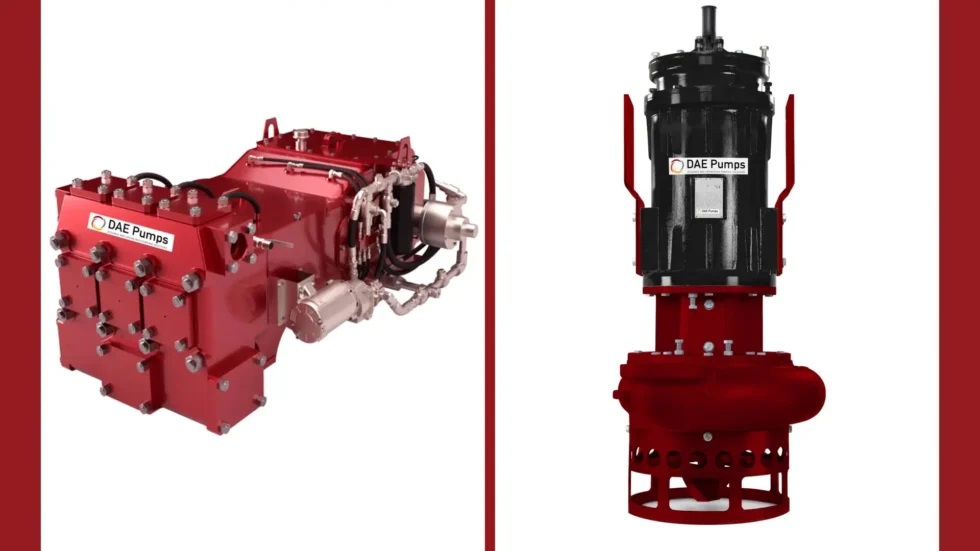
Understanding pump curves is essential for selecting the right pump and ensuring its optimal performance. A pump curve is a graphical representation of a pump’s performance characteristics, typically showing the relationship between flow rate and head (pressure). The interpretation of a positive displacement pump curve vs centrifugal pump curve is vital for proper pump selection.
Positive Displacement Pump Curve:
The pump curve for a PD pump is relatively simple. It typically shows a nearly vertical line, indicating that the flow rate remains constant regardless of changes in system pressure. This continuous flow rate characteristic is often highlighted in comparisons between positive displacement pumps and centrifugal pumps. The positive displacement pump curve is a valuable tool for understanding the pump’s performance under varying conditions.
Centrifugal Pump Curve:
The pump curve for a centrifugal pump is more complex. It typically has a downward-sloping curve, indicating that the flow rate decreases as the head (pressure) increases. This characteristic means that centrifugal pumps are more sensitive to changes in system pressure, and their performance must be carefully matched to the specific requirements of the application. Understanding the centrifugal pump vs positive displacement pump curve is essential for optimal pump performance.
Comparing Performance Characteristics:
- Flow Rate: As mentioned earlier, PD pumps provide a constant flow rate regardless of pressure, while centrifugal pumps exhibit a variable flow rate depending on the system pressure. This makes PD pumps more suitable for applications requiring precise flow control, a significant factor in positive displacement pump vs centrifugal pump decisions.
- Pressure Handling: PD pumps excel at handling high pressures without significant drops in flow rate, whereas centrifugal pumps may experience a decrease in performance as pressure increases. This pressure-handling capability is crucial in comparisons between positive displacement pumps and centrifugal pumps.
- Efficiency: A pump’s efficiency is influenced by how closely its operating conditions match its pump curve. PD pumps maintain efficiency across a range of pressures, while centrifugal pumps need to be carefully selected to operate near their best efficiency point (BEP) for optimal performance. This efficiency consideration is vital in deciding whether to use a positive displacement pump or a centrifugal pump.
To illustrate the importance of choosing the right pump type, let’s explore a few real-world case studies focusing on the positive displacement pump vs centrifugal pump debate.
Case Study 1: A Chemical Processing Plant Choosing Between PD and Centrifugal Pumps
A chemical processing plant needed to transfer a highly viscous fluid used in the production of specialty chemicals. The plant initially used a centrifugal pump, but the pump struggled to maintain the required flow rate due to the fluid’s high viscosity, leading to frequent downtime and maintenance issues.
After consulting with pump experts, the plant switched to a Positive Displacement pump (PD pump), specifically a gear pump. The constant flow rate provided by the PD pump ensured that the production process remained consistent, significantly reducing downtime and maintenance costs. This case highlights the importance of the positive displacement pump vs. centrifugal pump decision.
Case Study 2: Water Treatment Facilities and the Debate Over Pump Selection
A municipal water treatment facility needed to upgrade its pumping system to handle varying flow rates and pressures in different stages of the treatment process. The facility considered both PD and centrifugal pumps for the upgrade, carefully weighing the positive displacement pump vs centrifugal pump options.
After a thorough analysis, the facility opted for a combination of both pump types. Centrifugal pumps were chosen for the initial stages of water intake and filtration, where high flow rates were needed. PD pumps were selected for the chemical dosing stage, where precise flow control was critical. This hybrid approach ensured that each stage of the treatment process was optimized for efficiency and reliability. The positive displacement pump vs. centrifugal pump debate was resolved by selecting the best pump type for each specific stage.
Case Study 3: Handling Slurries and Viscous Fluids in Mining Operations
A mining operation requires a pump to handle a slurry mixture of water, dirt, and minerals. The slurry was highly abrasive and had a high solids content, making it difficult for standard centrifugal pumps to handle without excessive wear.
The mining company switched to a Positive Displacement pump, specifically a diaphragm pump, designed to handle abrasive slurries. The PD pump’s ability to maintain a constant flow rate, even with varying slurry compositions, significantly improved the operation’s efficiency and reduced maintenance downtime. This case study underscores the critical importance of the positive displacement pump vs centrifugal pump decision in challenging industrial environments.
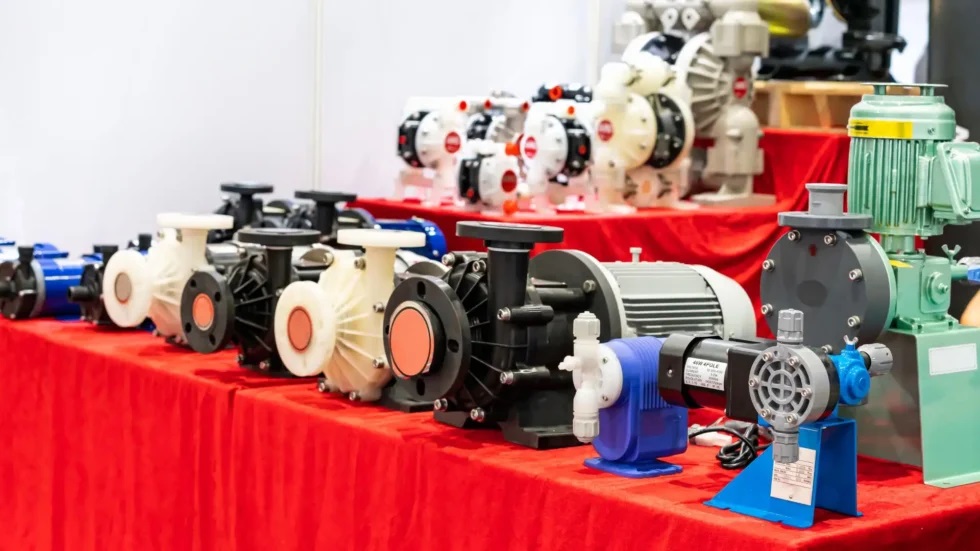
In the world of industrial pumping, the choice between Positive Displacement and Centrifugal pumps is only sometimes straightforward. Each pump type has its own set of advantages and is suited to different applications. Positive Displacement pumps excel in situations requiring precise flow control, high pressure, and the handling of high-viscosity or abrasive fluids. On the other hand, Centrifugal pumps are ideal for applications involving large volumes of low-viscosity fluids, where high flow rates are essential. The positive displacement pump vs centrifugal pump debate is ongoing, but understanding the specific needs of your application can guide you to the right choice.
When selecting a pump, it’s crucial to consider factors such as flow rate, pressure requirements, fluid characteristics, and cost. Understanding pump curves, such as the positive displacement pump curve vs centrifugal pump curve, and matching the pump’s performance to the specific needs of your application can help ensure optimal efficiency and longevity.
Finally, it’s always advisable to consult with experts in the field, such as the team at DAE Pumps, to ensure that you select the right pump for your specific application. The positive displacement pump vs centrifugal pump decision is a significant one, and expert advice can make all the difference.
If you’re looking for professional advice on choosing the right pump for your industrial application, don’t hesitate to contact DAE Pumps. Our team of experts can guide you through the positive displacement pump vs centrifugal pump selection process and help you find the perfect solution for your needs. Visit our website to explore our range of Positive Displacement and Centrifugal pumps, and check out our related resources to learn more about pump technology and applications.
For more information or to speak with one of our experts, visit DAE Pumps or call us today.