


Primary Benefits of ESG: Is this Program Ethical and Profitable for Companies?
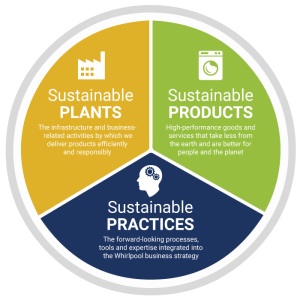
Companies with successful ESG programs can rest assured that they will become more ethical and sustainable organizations. Ultimately, while ESG is a three-letter acronym, it helps companies serve five stakeholders: customers, communities, workers, shareholders, and the environment.
If companies adopt a good ESG framework, like the UN Sustainable Development Goals framework, which focuses on increasing peace and prosperity for everyone and the planet. Organizations will inevitably make decisions that are truthful, fair, and honest. In simple terms, they will be ethical. On top of that, businesses prioritizing ESG will be profitable because they will attract good press and customers, which are major benefits of ESG.
Reports indicate that consumers are increasingly using a company’s sustainability practices to determine whether they should buy, and in 2020, a survey by McKinsey found that over 60% of consumers would pay for a product from a company with sustainability initiatives. That sentiment has not changed, even in today’s economic environment where a cost-of-living crisis persists—for example, a 2023 study found a positive correlation between companies’ ESG performance and revenue growth.
However, organizations with ESG programs will not experience higher profits solely because of their clients—they will also attract more investors, contributing to their growth.
Investors are prioritizing companies that are operating ethically and sustainably, with many of them directing their attention to ESG investment funds. For context, ESG investment funds are graded using environmental, social, and governance principles, and they are for organizations that seek to have a positive and sustainable societal impact. These types of funds are not individual stocks. Instead, according to NerdWallet, they are a “collection of multiple stocks grouped together.”
Because investors are attracted to the primary benefits of ESG, they are not hesitant to pursue ESG funds. In 2020, investors poured $51 billion into ESG funds while 71 new funds were developed. By 2026, the total investment in ESG funds is supposed to jump significantly, with it reaching $10.5 trillion, according to PwC. If companies have successful ESG programs, they will put themselves in a great position to be on the receiving end of these ESG investments-but the key phrase here is “successful.”
Investors will ask specific questions to assess the performance of an organization’s ESG program. If the answers are unsatisfactory, investors will be hesitant to invest. On the other hand, if the answers prove that a company’s ESG program has had significant success, then investors will have no problem putting funds towards the organization.
That said, what questions will investors ask when evaluating companies? According to Forbes, there are several questions for each ESG category.
- How is the organization managing its impact on the environment?
- Has the company made any progress in adopting renewable energy sources? If so, how much progress has it made?
- What are the company executives’ thoughts and attitudes toward climate change?
- How does the company handle and minimize water or air pollution coming from its operators?
- Is the organization trying to decrease its carbon footprint? If so, how?
- Does the organization have a sustainable supply chain?
- Is the company using water responsibly, given the water scarcity crisis?
- Does the company offer fair wages to employees?
- What is the company policies encouraging a diverse and inclusive workforce?
- Does the company have hiring practices that promote diversity and inclusion?
- What steps is the organization taking to improve its social impact?
- Which strategies does the business use to promote social good in its community and the world at large?
- Does the companies board and management team promote and implement positive change? If so, how?
- How does the organization’s board and management team address the interests of its clients, employees, and shareholders?
- How does the company’s board encourage diversity in leadership?
- Does the company have positive interactions with shareholders?
- Is there a balance between compensation to executives and employee pay?
Organizations with ESG programs should work to not only have acceptable answers to these questions but also provide proof to uphold what they report. In doing so, they will give investors enough reason to invest in them.
Becoming a more ethical and profitable company are two significant benefits of having a great ESG program. But this article would not be complete if it did not mention the difficulty of having a successful initiative. Accomplishing ESG goals is not easy for many brands, which is why our team at Genesis Water Technologies is here to help.
At Genesis Water Technologies, we understand the challenges of achieving ESG goals. As water and wastewater experts, we specialize in helping organizations meet their environmental goals by ensuring compliance with strict wastewater regulations and developing sustainable sources of process water.