


- Home
- Companies
- Xingaonai Heavy Industry Group Co., ...
- Articles
- Pulse Jet Bag Filter Design: Key ...
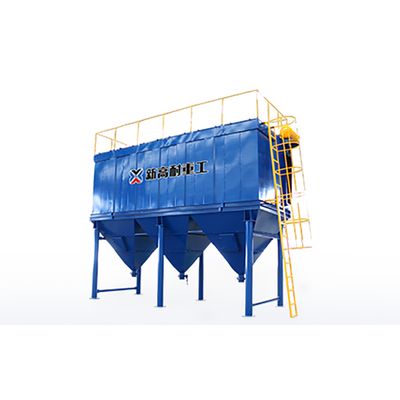
Pulse Jet Bag Filter Design: Key Principles and Factors for Efficient Dust Collection
In modern industrial production, dust control is an essential part of maintaining environmental standards and ensuring safe working conditions. One of the most widely used dust collection systems is the pulse jet bag filter. Understanding pulse jet bag filter design is important for improving filtration efficiency, reducing maintenance costs, and ensuring long-term stable operation in industries such as cement, mining, metallurgy, and power generation.
What Is a Pulse Jet Bag Filter?
A pulse jet bag filter is a type of dust collector that uses fabric filter bags to capture dust particles from industrial exhaust gas. The system periodically cleans the filter bags using compressed air pulses, which helps maintain consistent airflow and filtration performance.
The effectiveness of the system depends heavily on proper pulse jet bag filter design, including the arrangement of filter bags, air flow distribution, and the cleaning mechanism. A well-designed system can significantly improve dust removal efficiency while reducing energy consumption.
Working Principle of a Pulse Jet Bag Filter
To understand pulse jet bag filter design, it is important to first examine how the system operates.
Dust-laden gas enters the bag filter housing through the inlet and flows around the filter bags. As the air passes through the filter fabric, dust particles are trapped on the outer surface of the bags while clean air exits through the outlet.
Over time, the accumulated dust forms a layer known as a dust cake, which actually helps improve filtration efficiency. However, excessive dust buildup can increase pressure drop and reduce airflow.
To solve this problem, the system uses short bursts of compressed air, known as pulse jets, to clean the bags. These pulses dislodge the dust cake from the filter surface, allowing the dust to fall into the hopper below. This cleaning process is a key element in effective pulse jet bag filter design.
Main Components in Pulse Jet Bag Filter Design
A typical pulse jet bag filter design includes several essential components that work together to ensure efficient operation.
Filter Bags
Filter bags are the core component of the dust collection system. They are usually made from materials such as polyester, fiberglass, or PTFE, depending on the temperature and chemical characteristics of the gas.
Bag Cage
The bag cage provides structural support for the filter bag, preventing it from collapsing under airflow pressure. A strong and corrosion-resistant cage design is crucial for long service life.
Pulse Jet Cleaning System
The cleaning system includes compressed air tanks, solenoid valves, and blow pipes. When activated, the valves release a high-pressure air pulse that rapidly expands the filter bag and removes accumulated dust.
Dust Hopper
The hopper collects the dust that falls from the filter bags during the cleaning process. Proper hopper design ensures smooth dust discharge and prevents material buildup.
Control System
Modern pulse jet bag filter design often includes automated control systems that regulate the cleaning cycle based on pressure drop or time intervals.
Key Factors in Pulse Jet Bag Filter Design
Several important factors influence the performance of a pulse jet bag filter.
Air-to-Cloth Ratio
The air-to-cloth ratio refers to the amount of air flowing through a given filter area. Maintaining an appropriate ratio is critical for balancing filtration efficiency and system capacity.
Filter Material Selection
The choice of filter media depends on operating conditions such as temperature, humidity, and dust characteristics. Selecting the right material is a key part of effective pulse jet bag filter design.
Gas Distribution
Uniform airflow distribution inside the dust collector prevents uneven dust loading on filter bags. Poor airflow design can lead to premature wear and reduced filtration performance.
Cleaning Frequency
The pulse cleaning cycle must be optimized to remove dust efficiently without causing unnecessary wear to the filter bags.
Advantages of Pulse Jet Bag Filter Design
Compared with other dust collection technologies, pulse jet bag filters offer several advantages.
First, they provide very high filtration efficiency, often exceeding 99%. This makes them suitable for industries with strict environmental emission standards.
Second, the system can operate continuously without shutting down for cleaning, which improves productivity.
Third, modern pulse jet bag filter design allows compact equipment layouts, making them suitable for facilities with limited installation space.
Industrial Applications
Pulse jet bag filters are widely used across many industries. In cement plants, they capture dust from grinding mills and kilns. In mining operations, they control dust generated during crushing and screening processes.
Power plants use them to treat flue gas, while steel plants apply them in blast furnace and sintering operations. Because of their adaptability and efficiency, pulse jet bag filter design continues to be an essential technology for industrial dust control.
Conclusion
A well-planned pulse jet bag filter design plays a critical role in ensuring efficient dust collection and stable industrial operation. By carefully considering factors such as airflow distribution, filter material, and cleaning mechanisms, engineers can significantly improve system performance.
As environmental regulations become increasingly strict, industries are investing more in advanced dust collection technologies. Optimizing pulse jet bag filter design will remain a key strategy for improving air quality, reducing operational costs, and supporting sustainable industrial development.