


Pumping Slurries and Solids with Appalachian Self-Priming Pumps
Pumping slurries is not the same as pumping clean water. When you deal with sand, silt, mud, or debris, standard pumps fail fast. They clog. They wear out. They stop when you need them most. The real problem is not the flow rate. It is solids handling. If your pump cannot move solids without choking or destroying internal parts, production slows, and downtime grows.
This is where Appalachian self-priming pumps come in. These pumps are built for jobs where solids are part of the flow, not an exception. They handle abrasive material, air pockets, and changing water levels without constant attention. You can set them up, prime them fast, and keep moving slurry without fighting the equipment.
This article focuses on how Appalachian self-priming pumps handle slurry work in real conditions. You will see how the design supports solids handling, why self-priming matters on site, and where these pumps make sense in daily operations.
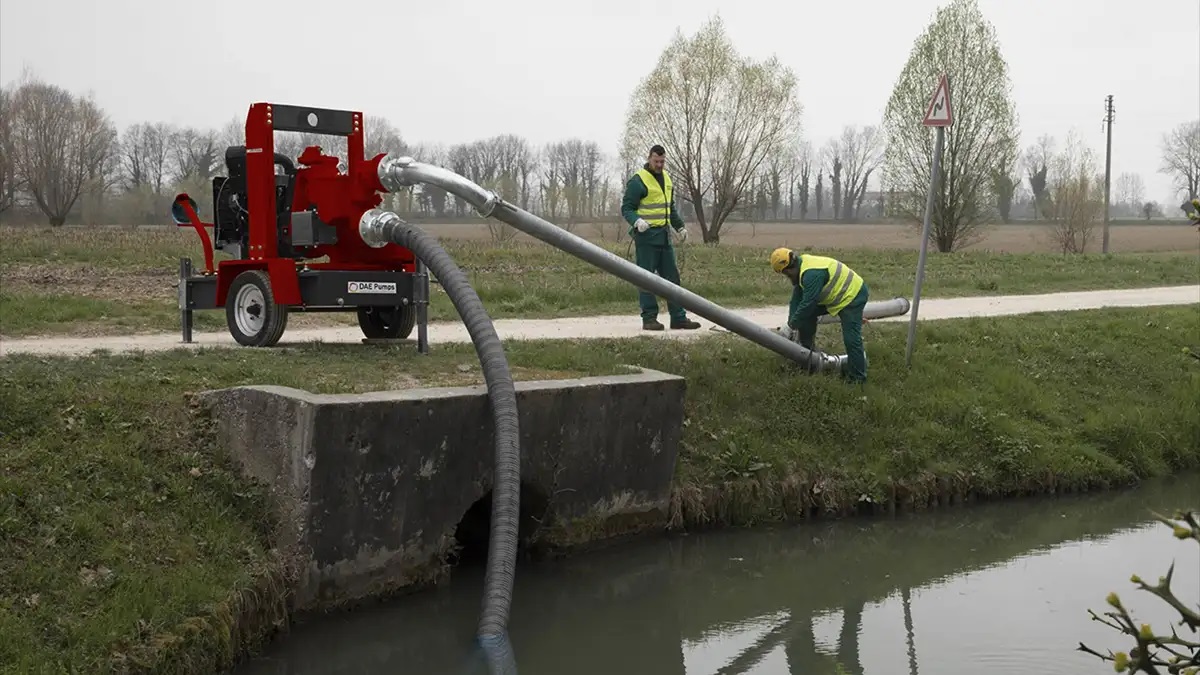
On real job sites, slurry pumping is messy and unpredictable. You deal with uneven material, shifting suction levels, and debris that never looks the same from one hour to the next. Brochures talk about flow rates. Your reality looks very different.
What you face in the field
- Sand and grit that grind internal parts
- Rocks, trash, and organic debris that block passages
- Thick slurry that moves one minute and stalls the next
- Air mixed into the flow as pits drain or refill
Solids’ size and density matter more than most people expect. Larger particles hit the impeller harder. Dense material increases load and heat. Abrasive fines slowly eat away at metal surfaces. When a pump cannot manage this, problems show up fast.
Poor solids handling leads to frequent clogging. Wear accelerates. Seals fail. Crews stop work to clear blockages or swap equipment. These failures are not operator errors. They come from pumps that were never designed for slurry conditions.
This is why pump design matters. Wide clearances, strong materials, and proper priming systems decide whether slurry pumping stays productive or becomes a daily fight.
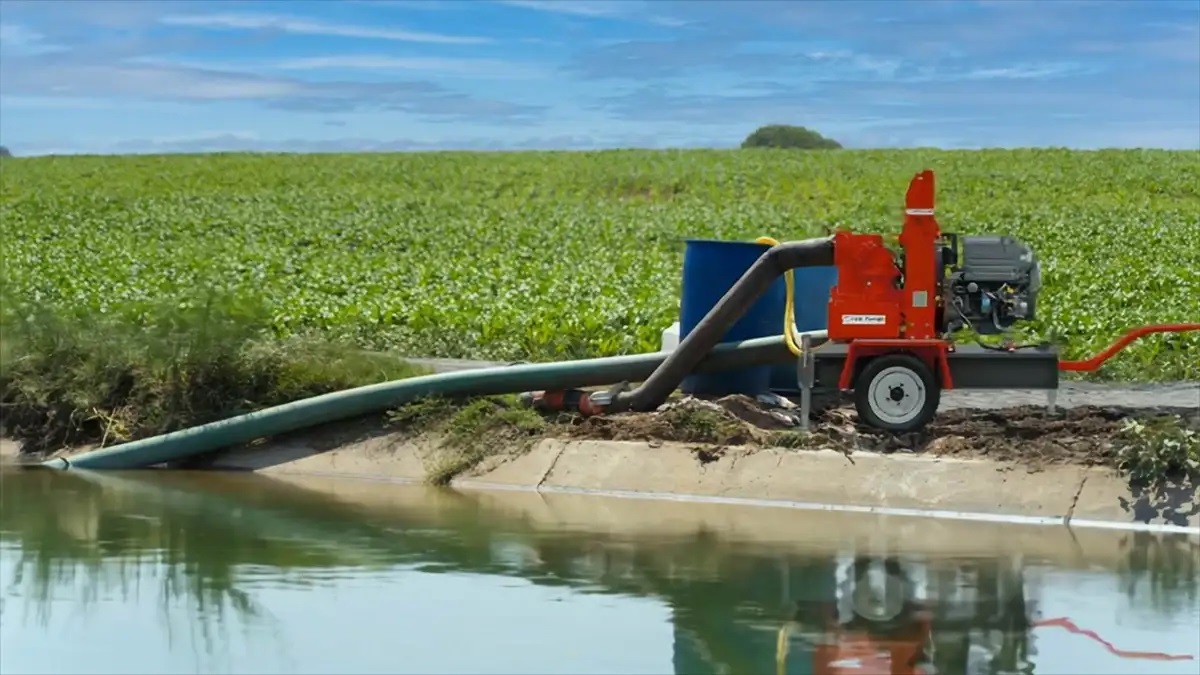
Appalachian self-priming pumps are built as surface-mounted, diesel-driven units because slurry work demands strength and flexibility. You place the pump where you can access it, service it, and move it when the job shifts. You do not rely on submerged motors or fixed installations that limit your options.
The design focuses on pumping slurries, not clean water. Wide internal passages allow solids to move through the pump without constant blockages. The impeller geometry keeps material in motion instead of letting it settle and pack. Heavy-duty construction supports continuous operation in abrasive conditions.
A built-in vacuum-assisted priming system sits at the center of the design. You do not need to fill the casing by hand or fight air in the suction line. The pump pulls slurry up from pits and sumps, even when the suction line starts dry or draws in air during operation.
These pumps are not modified trash pumps. They are purpose-built for solids handling, long run times, and the realities of slurry work on demanding job sites.
Many pumps stall and force you to stop work. Appalachian self-priming pumps handle this differently because priming is built into the system, not treated as an add-on.
What self-priming looks like in real use
- You start with a dry suction line, and the pump pulls slurry up on its own
- Air pockets clear without manual intervention
- The pump re-primes when the flow breaks instead of shutting down
Vacuum-assisted priming allows you to lift slurry from deep pits and sumps without babying the equipment. This matters when you work in excavation sites, mines, or flooded areas where conditions change fast.
Fast priming also reduces idle time. You spend less time resetting hoses or refilling casings and more time moving material. When slurry levels fluctuate, the pump keeps working instead of becoming another problem you need to manage.
Solids handling is where slurry pumps fail or succeed. Appalachian self-priming pumps are built around this reality. The internal layout focuses on moving material through the pump instead of trapping it inside.
At the center of the design is a semi-open impeller. This impeller allows solids to pass without squeezing them through tight spaces. Wide internal clearances allow debris to move, even as slurry consistency changes during the job.
Why does this matter on the site
- Large solids move through instead of lodging in the casing
- Material stays in suspension rather than settling and packing
- Clogging events drop sharply during continuous operation
When solids stay in motion, wear spreads evenly instead of concentrating at choke points. That protects internal parts and keeps performance steady over longer run times. You spend less time clearing blockages and more time pumping.
This approach makes Appalachian self-priming pumps reliable in jobs where debris size and slurry makeup change hour by hour. You do not need perfect conditions for the pump to work. It adapts to the mess that comes with real slurry pumping.
Abrasion Is the Real Enemy
When you pump slurry, wear does not show up slowly. It shows up fast. Sand and fines grind away at metal surfaces with every rotation. If the pump is not built for this, efficiency drops, and failures follow.
How Appalachian Self-Priming Pumps Handle Wear
Appalachian self-priming pumps use abrasion-resistant materials in the wet end because slurry work demands it. These materials slow erosion and protect internal geometry. That keeps performance stable even when you run abrasive material for long hours.

Why Replaceable Wear Parts Matter
You do not want to shut down a job because one surface wore out. Replaceable wear components let you service the pump without pulling it from the site. You plan maintenance instead of reacting to breakdowns.
What This Means for You
Less unexpected downtime. Fewer emergency repairs. More predictable operation when slurry conditions stay harsh and inconsistent.
Dry running happens more often than people admit. Slurry pits drain faster than expected. Suction lines pull air. Flow stops without warning. If your pump cannot handle this, damage starts immediately.
Appalachian self-priming pumps are designed to tolerate these moments instead of failing because of them. The seal and bearing systems protect the pump during priming cycles and temporary loss of flow. You do not need to shut everything down the second slurry levels drop.
Here is how that protection helps you on-site:
- The pump survives short dry periods during priming
- Loss of suction does not destroy seals right away
- Restarting does not turn into a repair job
This matters when you run unattended or work in changing conditions. You cannot control slurry behavior, but you can control how your equipment responds. With proper dry run protection, the pump stays operational instead of becoming another failure point you need to manage.
You see Appalachian self-priming pumps in places where slurry is part of daily work, not an occasional problem. These jobs demand pumps that keep running even when conditions change without warning.
Mining and Quarry Operations
You deal with pits full of fines, sand, and rock fragments. Water levels shift fast. Appalachian self-priming pumps move slurry out of pits and sumps while handling abrasive material that destroys lighter pumps.
Construction and Civil Work
Excavations fill with muddy water and debris. Trenching and foundation work create thick slurry that clogs standard dewatering pumps. These pumps keep the flow moving without constant cleanouts.
Flood Control and Emergency Pumping
Floodwater carries trash, sediment, and organic debris. You need fast setup and reliable priming. Appalachian self-priming pumps deploy quickly and keep pumping even as debris loads change.
Municipal and Industrial Solids Handling
Bypass pumping, sump cleanouts, and process water all involve solids. These pumps handle debris and sludge without stopping production every time conditions shift.
Across all these uses, the common factor is solids. Appalachian self-priming pumps work because they are built for that reality, not for ideal water conditions.
When you choose a pump for slurry work, you usually compare it against trash pumps, submersible pumps, or rented equipment. On paper, many of them look similar. In the field, the differences show up fast.
Compared to standard trash pumps
Trash pumps handle dirty water. They struggle when solids get larger or more abrasive. Clearances stay tight, clogging increases, and wear accelerates. Appalachian self-priming pumps are built for pumping slurries, not just passing debris occasionally.
Compared to submersible slurry pumps
Submersible pumps work well in fixed locations, but they limit access. Servicing them means pulling equipment out of pits or ponds. Appalachian self-priming pumps stay on the surface. You inspect, service, and move them without stopping the job for long periods.
Compared to vacuum trucks or rentals
Vacuum trucks solve short-term problems, but cost money every time you call them. Appalachian self-priming pumps give you control. You deploy when you need to. You run as long as the job requires.
Each option has a place. When your work involves frequent slurry pumping, changing sites, and solids handling, Appalachian self-priming pumps fit better than most alternatives.
You notice the difference once you run these pumps day after day. They do not demand constant attention. They keep moving the slurry even when conditions drift away from ideal.
Crews often point out three things right away.
First, the pumps stay online longer. Solids pass through without frequent shutdowns. Wear happens, but it happens at a predictable pace. You plan maintenance instead of reacting to failures.
Second, setup stays simple. You place the pump, connect the hoses, and start pumping. You do not fight priming issues or reset the system every time air enters the line.
Third, servicing stays manageable. Access to the pump remains easy because it sits on the surface. You inspect parts, replace wear components, and get back to work without pulling equipment out of pits or water.
This kind of performance matters when slurry pumping is part of daily operations. Reliability saves time. Predictability protects schedules. That is what keeps jobs moving when solids are always in the mix.
Pumping slurries puts real stress on your equipment. Solids clog passages, grind surfaces, and expose weak designs fast. Appalachian self-priming pumps work because they are built for this reality. They handle solids without constant shutdowns. They prime reliably when conditions change. They protect themselves during dry running and uneven flow. When slurry pumping is part of your daily work, this kind of design keeps jobs moving instead of creating new problems.
If you are dealing with slurry, debris, or abrasive material and need a pump you can rely on, it makes sense to look closer at the Appalachian series. You can review specifications, configurations, and real application guidance directly through DAE Pumps. Their team focuses on practical pumping challenges and can help you match the right Appalachian self-priming pump to your site conditions and workload.