


- Home
- Companies
- Beston Group Co., Ltd.
- Articles
- Pyrolysis Plant Applications in Plastic ...
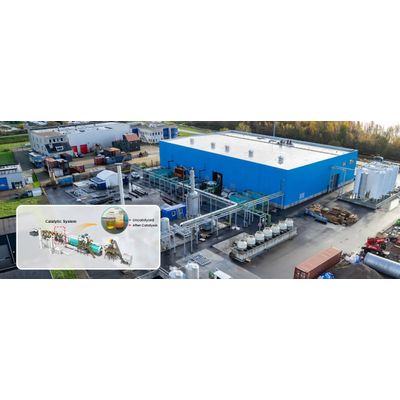
Pyrolysis Plant Applications in Plastic Waste Recycling
The proliferation of plastic waste has become one of the most pressing environmental challenges of the century. Conventional disposal methods such as landfilling and incineration are increasingly restricted by regulatory pressure and public concern. Pyrolysis technology offers a viable route to transform discarded plastics into valuable resources, reducing ecological burdens while creating commercial opportunities.
Transformation of Waste into Energy
At the center of this approach lies the plastic to fuel machine, engineered to thermally decompose polymer chains under low-oxygen conditions. The process converts heterogeneous plastic waste into liquid fuel oil, combustible gas, and carbonaceous residue. These outputs shift the perception of plastic from waste liability to energy asset. Fuel oil extracted through pyrolysis is suitable for industrial boilers, heavy machinery, and in some cases as feedstock for refining processes.
Diversified Feedstock Compatibility
A major advantage of pyrolysis plants is their ability to process a wide spectrum of plastic waste. Polyethylene, polypropylene, and polystyrene are efficiently broken down, while mixed and contaminated streams that cannot be mechanically recycled also become viable feedstock. This broad compatibility expands application potential, particularly in regions struggling with unsegregated municipal waste. By accommodating materials otherwise destined for disposal, the technology enhances overall recycling rates.
Energy Recovery and Circular Economy
The non-condensable gases generated during pyrolysis are redirected into the system as auxiliary fuel, significantly reducing external energy requirements. This self-sustaining mechanism exemplifies closed-loop energy utilization. Simultaneously, the liquid oil produced displaces dependence on conventional fossil resources. The conversion of plastic to usable fuel embodies circular economy principles, where waste materials are reincorporated into industrial value chains instead of discarded.
Industrial and Municipal Applications
Applications extend across diverse sectors. Industrial facilities with high energy demands benefit directly by substituting pyrolytic oil for traditional fuels. Municipal waste management authorities employ pyrolysis plants as an integral part of integrated recycling strategies, addressing non-recyclable plastic fractions that accumulate in landfills. In coastal and port cities, where marine plastic debris is a persistent issue, localized facilities are increasingly explored as remediation solutions.
Environmental and Regulatory Impact
Beyond material recovery, pyrolysis mitigates the environmental footprint associated with unmanaged plastic disposal. Greenhouse gas emissions from landfilling and open burning are curbed, while leachate contamination risks are avoided. Regulatory frameworks in many regions now recognize pyrolysis as an advanced recycling method, positioning it as a strategic tool for achieving mandated recycling and energy targets. Incentive policies further enhance its attractiveness for both public and private operators.
Economic Outlook
Profitability stems from both cost savings in waste management and revenues generated from pyrolytic oil sales. The plastic to fuel machine delivers a dual benefit: reducing waste handling costs while producing marketable energy products. As global fuel demand persists and environmental legislation tightens, pyrolysis technology is expected to secure a stronger foothold in the recycling industry.
Conclusion
Pyrolysis plants stand at the intersection of waste management and energy recovery. By converting discarded plastics into fuel and usable by-products, these systems redefine the economics of recycling. Their versatility, environmental benefits, and market viability make them indispensable tools in confronting the plastic waste crisis.