



Recycling of Crude Oil Contaminated Soil: Pyrolysis
The recycling of crude oil contaminated soil presents a formidable challenge in the realm of environmental remediation. Traditional methods often fall short in addressing the complex matrix of hydrocarbons and pollutants embedded within the soil matrix. However, pyrolysis emerges as a promising technology, offering a sustainable and efficient approach to soil remediation and resource recovery.
Understanding Crude Oil Contaminated Soil
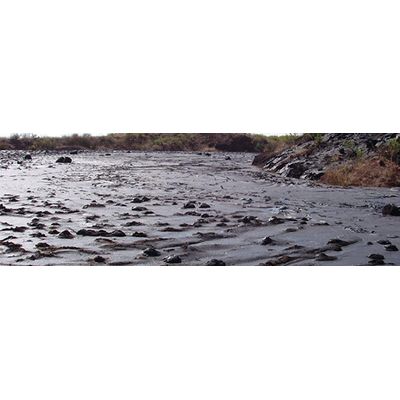
Crude oil contamination of soil occurs through various means, including accidental spills, leakage from storage tanks, and improper disposal practices. The resultant soil pollution poses significant risks to terrestrial ecosystems, groundwater quality, and public health. The heterogeneous nature of crude oil contamination, characterized by a mixture of hydrocarbons, heavy metals, and organic pollutants, necessitates innovative remediation strategies.
Challenges in Soil Remediation
Traditional soil remediation techniques, such as excavation and incineration, often entail high costs, energy consumption, and environmental impacts. Moreover, these methods are not always effective in completely removing contaminants or restoring soil fertility. In the case of crude oil-contaminated soil, the presence of recalcitrant compounds and residual hydrocarbons poses additional challenges to remediation efforts.
The Role of Pyrolysis in Soil Recycling
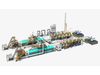
Pyrolysis, a thermochemical conversion process, offers a promising solution to the challenges of crude oil-contaminated soil remediation. This innovative technology involves the heating of soil at high temperatures in the absence of oxygen, leading to the thermal decomposition of organic compounds into gases, liquids, and char. The resulting products can be further processed or utilized for various applications, including energy generation and soil amendment.
Advantages of Oil Sludge Pyrolysis Plant
Efficient Resource Recovery
An oil sludge pyrolysis plant facilitates the efficient recovery of valuable resources from crude oil-contaminated soil. Through pyrolysis, organic contaminants are transformed into syngas, bio-oil, and biochar, which can be used as renewable energy sources or raw materials for industrial processes. This not only reduces the volume of soil requiring disposal but also mitigates the need for virgin resources.
Minimization of Environmental Impact
Compared to traditional remediation methods, oil sludge pyrolysis offers environmental benefits by minimizing energy consumption, greenhouse gas emissions, and waste generation. The closed-loop nature of pyrolysis processes ensures that pollutants are contained and transformed into useful products, thereby reducing the overall environmental footprint of soil remediation activities.
Versatility and Scalability
Oil sludge pyrolysis plants are highly versatile and adaptable to diverse soil remediation scenarios. They can accommodate varying soil types, contamination levels, and site-specific conditions, making them suitable for both small-scale and large-scale remediation projects. Moreover, the modular design of pyrolysis systems allows for easy installation, operation, and maintenance in different geographical locations.
Challenges and Future Directions
Technical Optimization
Despite its numerous advantages, oil sludge pyrolysis technology faces technical challenges that require further research and development. Optimization of pyrolysis parameters, such as temperature, heating rate, and residence time, is essential to maximizing contaminant removal efficiency and product yields. Additionally, advancements in catalyst development and process control systems can enhance the overall performance and reliability of pyrolysis plants.
Regulatory Frameworks
The widespread adoption of oil sludge pyrolysis technology necessitates the development of robust regulatory frameworks governing soil remediation practices. Clear guidelines and standards are needed to ensure the safety, efficacy, and environmental sustainability of pyrolysis processes. Regulatory agencies must collaborate with industry stakeholders to establish best practices and monitoring protocols for the operation of oil sludge pyrolysis machine for sale.
Economic Viability
The economic viability of oil sludge pyrolysis technology depends on various factors, including capital investment, operating costs, and market demand for recycled products. Government incentives, subsidies, and market mechanisms can incentivize the adoption of pyrolysis technology and support the growth of the soil remediation industry. Additionally, public-private partnerships and technology transfer initiatives can facilitate knowledge sharing and capacity building in the field of soil recycling.
Conclusion: Towards Sustainable Soil Remediation
In conclusion, pyrolysis technology offers a promising pathway towards the sustainable recycling of crude oil-contaminated soil. By harnessing the principles of thermochemical conversion, oil sludge pyrolysis plants enable efficient resource recovery, minimize environmental impact, and promote circularity in soil remediation practices. However, addressing technical, regulatory, and economic challenges is essential to realizing the full potential of pyrolysis technology and achieving sustainable soil remediation outcomes. Collaborative efforts among researchers, policymakers, and industry stakeholders are paramount in advancing the field of soil recycling and safeguarding environmental quality for future generations.