

- Home
- Companies
- Aimix Group Co., Ltd
- Articles
- Reducing Carbon Footprint During Gantry ...
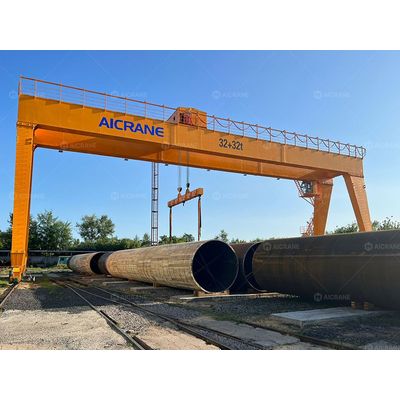
Reducing Carbon Footprint During Gantry Crane Production
As environmental concerns become more pressing across industries, manufacturers of heavy machinery - including gantry cranes - are facing increasing pressure to reduce their carbon footprints. Gantry crane production, traditionally associated with high energy consumption and material usage, is undergoing a green transformation. By adopting sustainable practices, integrating energy-efficient technologies, and optimizing supply chains, manufacturers can not only minimize their environmental impact but also improve brand reputation, meet international standards, and reduce long-term operating costs.
This article explores the various strategies and innovations being employed to reduce carbon emissions throughout the gantry crane manufacturing process.
Understanding Carbon Footprint in Gantry Crane Manufacturing
A carbon footprint refers to the total amount of greenhouse gases (GHGs) emitted directly or indirectly during a product’s lifecycle. In the context of industrial gantry crane production, emissions arise from several sources:
- Raw material extraction and processing (primarily steel)
- Manufacturing processes, including welding, machining, and painting
- Transportation and logistics of components and finished cranes
- Energy usage in factories (electricity, heating, etc.)
- Waste generation and disposal
Each stage provides an opportunity to implement sustainable practices that significantly reduce the environmental impact.
1. Sustainable Material Sourcing
✅ Use of Recycled Steel
Steel is the primary material used in gantry crane production. By sourcing recycled steel, manufacturers can reduce emissions from iron ore mining, smelting, and processing. Recycled steel requires up to 75% less energy compared to new steel production.
✅ Eco-Certified Suppliers
Working with steel and component suppliers that are certified for sustainable practices (e.g., ISO 14001, LEED) ensures that upstream processes are already aligned with green manufacturing goals.
2. Energy Efficiency in Manufacturing Facilities
✅ Renewable Energy Integration
Many forward-thinking manufacturers are investing in solar, wind, or hydroelectric energy to power their workshops. Transitioning to renewable sources for electricity not only reduces GHG emissions but also provides long-term cost savings.
✅ Smart Lighting and HVAC Systems
Replacing traditional lighting with LED systems, installing motion sensors, and using smart thermostats helps conserve energy throughout the factory, especially in large gantry crane production areas.
✅ Efficient Equipment Usage
Modernizing welding machines, CNC tools, and fabrication equipment with high-efficiency motors and variable frequency drives (VFDs) reduces power consumption without compromising productivity.
3. Waste Reduction and Recycling
✅ Metal Scrap Reuse
During cutting and shaping, large amounts of steel scrap are generated. Instead of discarding, companies can:
- Reuse offcuts in smaller components
- Sell or recycle scrap through certified recyclers
This reduces raw material demand and associated emissions.
✅ Eco-Friendly Painting and Coating
The application of protective coatings and paints is essential in gantry crane manufacturing. Traditional methods involve solvent-based paints, which emit volatile organic compounds (VOCs). Switching to water-based or powder coatings:
- Reduces air pollution
- Improves worker safety
- Requires less energy in curing processes
4. Lean Manufacturing and Digital Optimization
✅ Lean Manufacturing Techniques
Applying lean principles - such as just-in-time inventory, 5S organization, and continuous improvement (Kaizen)—minimizes material waste, unnecessary transportation, and rework, all of which contribute to reducing carbon output.
✅ Digital Twins and Simulation
Using 3D simulations and digital twins allows manufacturers to optimize crane design and assembly virtually, avoiding multiple iterations in physical prototyping. This leads to:
- Less material waste
- Reduced energy usage
- Shorter production timelines
5. Green Supply Chain Management
✅ Local Sourcing of Components
By selecting suppliers closer to the production facility, emissions from long-distance transportation can be reduced. For instance, sourcing motors, wire ropes, and steel beams domestically or regionally lowers logistics-related emissions.
✅ Sustainable Packaging
Replacing plastic-based packaging with biodegradable materials or reusable shipping crates helps reduce the environmental impact when transporting gantry cranes or their components.
6. Modular and Lightweight Crane Design
✅ Optimized Structural Design
Engineering cranes to be lighter without compromising strength reduces material usage and transport weight. Techniques include:
- Finite Element Analysis (FEA)
- High-strength low-alloy steel
- Modular assembly that allows for on-site construction
These innovations lead to:
- Lower energy consumption during fabrication
- Reduced fuel usage during delivery
- Easier installation with smaller equipment
7. Lifecycle Assessment (LCA) and Carbon Audits
✅ Performing LCAs
Lifecycle assessments provide a detailed view of the total environmental impact of a gantry crane - from raw material to end-of-life disposal. This helps identify the most carbon-intensive stages and develop mitigation strategies.
✅ Carbon Emission Tracking Tools
Using software tools and IoT-enabled tracking systems, manufacturers can calculate real-time emissions per unit produced. This supports transparency and compliance with government regulations or client requirements.
8. Employee Training and Green Culture
A sustainable manufacturing strategy is incomplete without the involvement of employees. Providing regular training on eco-friendly practices, encouraging participation in green initiatives, and recognizing contributions to sustainability efforts can foster a company-wide environmental culture.
9. Compliance with Environmental Standards
International environmental regulations are tightening, and compliance not only avoids penalties but also gives manufacturers a competitive edge.
Some important standards include:
- ISO 14001: Environmental management systems
- ISO 50001: Energy management
- RoHS & REACH: Hazardous material restrictions
Certifications serve as a testament to a company’s commitment to sustainability and help win bids from environmentally conscious clients.
10. Post-Sales Support for Sustainable Use
Reducing carbon emissions doesn’t stop after production. Offering:
- Energy-efficient operational training
- Remote diagnostics and smart monitoring
- Repair and refurbishment services
- Extends the lifespan of gantry cranes and reduces the need for early replacements, conserving resources in the long run.
Conclusion
Reducing the carbon footprint during gantry crane production is no longer an option - it’s a necessity. As global industries push toward sustainability, gantry crane manufacturers must innovate at every stage of production, from design and material selection to energy-efficient processes and waste management.
The benefits go beyond environmental protection. Sustainable practices enhance operational efficiency, lower costs, attract eco-conscious clients, and prepare companies for a low-carbon future. By embracing green manufacturing, gantry crane producers can position themselves as leaders in both industrial excellence and environmental responsibility.