


- Home
- Companies
- Aimix Group Co., Ltd
- Articles
- Safety Interlocks in Rubber Tyred ...
Safety Interlocks in Rubber Tyred Gantry Crane Operation
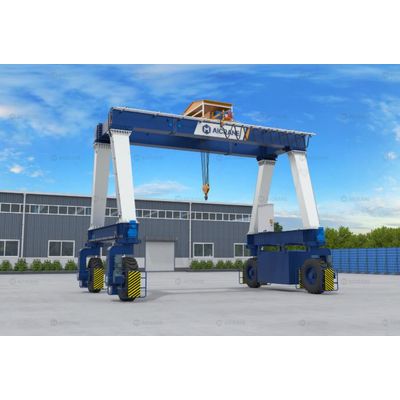
Rubber Tyred Gantry (RTG) cranes are essential in modern ports, container yards, and industrial facilities for handling heavy loads with speed and precision. These cranes are characterized by their mobility on rubber tires, allowing them to navigate container stacks or storage areas without the need for fixed rails. While their flexibility and high lifting capacity make them indispensable, the complexity and weight of the machinery pose significant safety risks if not operated properly. To mitigate these risks, safety interlocks have become an integral part of RTG crane operation, ensuring both personnel safety and equipment protection.
Understanding Safety Interlocks
A safety interlock is a mechanism that prevents machinery from operating under unsafe conditions. In a rubber tyre gantry crane for sale, these interlocks are designed to interrupt operations, restrict certain movements, or enforce operational sequences that reduce the likelihood of accidents. Unlike simple alarms or warnings, interlocks actively prevent potentially dangerous actions, which is crucial in environments where human errors or mechanical failures can lead to severe consequences.
Interlocks in RTG cranes can be electrical, mechanical, or software-based, often integrated into the crane’s control system. They monitor variables such as load weight, boom position, wheel alignment, speed, and operator commands. When these variables exceed predefined safety thresholds, the interlock automatically restricts crane operation, providing a proactive layer of safety.
Key Types of Safety Interlocks in RTG Cranes
Overload Interlocks
One of the most critical interlocks in RTG operation is the overload protection system. These interlocks prevent the crane from lifting loads beyond its rated capacity. Overloading can lead to structural damage, tipping, or cable failures. Modern RTG cranes use load cells and sensors to continuously monitor the weight being lifted. When the load exceeds safe limits, the interlock system disables the hoist function and may trigger visual or audible warnings to alert the operator.
Anti-Collision Interlocks
RTG cranes often operate in crowded container yards where multiple cranes may be moving simultaneously. Anti-collision interlocks prevent cranes from colliding with other RTGs, fixed structures, or container stacks. These interlocks use radar, LiDAR, or proximity sensors to detect nearby objects and restrict movement if a potential collision is detected. In some advanced systems, cranes automatically stop or slow down to avoid accidents.
Travel and Steering Interlocks
Mobility is a defining feature of RTG cranes, but uncontrolled or unsafe movement can lead to accidents. Travel and steering interlocks monitor tire alignment, steering angle, and wheel speed. For example, if a crane’s tires are misaligned or the speed exceeds a safe threshold, the interlock may restrict travel or adjust steering parameters to maintain stability. This is particularly important when operating on uneven ground or during high winds, which can affect crane stability.
Boom and Trolley Interlocks
The lifting mechanism of an RTG crane involves both the hoist trolley and the main boom. Boom interlocks prevent excessive boom swing, sudden lowering, or overextension beyond the crane’s design limits. Trolley interlocks, on the other hand, control the horizontal movement of the load. These interlocks are essential in preventing collisions with stacked containers, yard structures, or personnel.
Operator Access and Control Interlocks
Safety interlocks also govern who can operate the crane and how controls are accessed. For instance, some RTG cranes require that the operator cabin door be closed and safety harnesses secured before the crane becomes operational. Remote-controlled RTG systems include interlocks that verify safe operator positioning and confirm that no personnel are in hazardous zones before movement is allowed.
Environmental and Condition-Based Interlocks
Modern RTG cranes often include interlocks that respond to environmental factors such as wind speed, ground slope, or weather conditions. High winds, for instance, can destabilize the crane during lifting operations. Wind sensors can trigger interlocks that limit lifting height or prevent hoisting until conditions stabilize. Similarly, interlocks may prevent operation if the ground is too soft or slippery, reducing the risk of tipping or sliding.
Benefits of Safety Interlocks in RTG Operations
The implementation of safety interlocks offers numerous benefits that enhance operational efficiency, protect personnel, and extend equipment life:
Enhanced Operator Safety
By preventing unsafe movements, overloading, or collisions, interlocks significantly reduce the likelihood of accidents that can injure operators or ground personnel. RTG cranes handle massive loads, and even minor errors can have catastrophic consequences.
Equipment Protection
Safety interlocks protect critical components such as hoist motors, cables, wheels, and booms. Preventing overloading and avoiding collisions reduces mechanical stress and wear, extending the operational lifespan of the mobile gantry crane.
Operational Efficiency
Interlocks can optimize crane operation by ensuring that each action is performed safely and in sequence. For example, interlocks prevent lifting before proper alignment and positioning, reducing operational errors and downtime caused by accidents.
Compliance with Safety Regulations
Ports and industrial facilities are subject to stringent safety regulations. RTG cranes with integrated safety interlocks demonstrate compliance with international standards such as ISO 9927-2 and OSHA regulations, helping operators avoid fines and legal liabilities.
Reduced Maintenance Costs
Preventing improper operation reduces the frequency of breakdowns and the need for costly repairs. By protecting the crane from misuse, interlocks contribute to long-term cost savings.
Best Practices for Safety Interlock Implementation
To maximize the effectiveness of safety interlocks, RTG crane operators and facility managers should adhere to several best practices:
Regular Testing and Calibration
Interlocks rely on accurate sensor data. Routine testing and calibration ensure that load cells, proximity sensors, wind monitors, and other devices provide reliable input. Malfunctioning interlocks can create a false sense of security, making regular maintenance essential.
Operator Training
Operators must understand how safety interlocks function, including what triggers them and how to respond. Training programs should include both classroom instruction and hands-on simulations to familiarize operators with interlock behavior during various scenarios.
Integration with Remote Monitoring Systems
Modern RTG cranes can integrate interlocks with remote monitoring and control systems. Supervisors can track interlock activations, identify recurring issues, and optimize crane operations without being physically present in the yard.
Clear Signaling and Feedback
Interlocks should provide clear feedback through alarms, lights, or control panel indicators. Operators need to know why a movement was restricted and how to safely resume operations. Ambiguous or silent interlocks can lead to confusion and unsafe attempts to bypass safety features.
Redundancy and Fail-Safe Design
Safety interlocks should be designed with redundancy, ensuring that if one system fails, a backup prevents unsafe operation. Fail-safe design principles dictate that any failure defaults to the safest state—usually preventing movement or lifting.
Periodic Safety Audits
Regular audits by safety engineers can verify that interlocks and related safety systems comply with current standards and function correctly. Audits can identify potential gaps, outdated components, or operational practices that compromise interlock effectiveness.
Future Trends in RTG Safety Interlocks
The evolution of RTG crane technology is driving advancements in safety interlocks. Artificial intelligence and machine learning are being incorporated to predict unsafe conditions before they occur. Predictive interlocks can adjust crane operations dynamically, considering factors such as load distribution, wind gusts, and ground conditions in real-time. Additionally, Internet of Things (IoT) connectivity enables interlocks to communicate across multiple cranes, creating a networked safety system that prevents collisions and optimizes yard workflow.
Autonomous and semi-autonomous RTG cranes will rely heavily on sophisticated interlock systems to maintain safety without constant human oversight. These systems combine sensors, AI algorithms, and real-time communication to operate safely in complex and busy port environments.
Conclusion
Safety interlocks are not optional in modern RTG crane operations—they are essential. By actively preventing unsafe conditions, protecting both personnel and equipment, and ensuring compliance with regulations, interlocks form a critical component of safe and efficient crane operations. For port operators, industrial facilities, and logistics companies, investing in robust interlock systems and maintaining them through training, maintenance, and audits is a strategic decision that pays off in safety, reliability, and long-term operational efficiency. As technology advances, safety interlocks will continue to evolve, incorporating AI, IoT, and predictive analytics to make RTG crane operations safer, smarter, and more efficient than ever.