
- Home
- Companies
- Supmea Automation Co.,Ltd
- Articles
- Supmea - SUP-LDG - Flow Measurement in ...
Supmea - SUP-LDG - Flow Measurement in Sewage Treatment Plants
Sewage treatment plants play a crucial role in maintaining public health and environmental sustainability. Proper flow measurement within these plants is essential for efficient operation and accurate monitoring. One company that specializes in providing reliable flow measurement solutions for sewage treatment plants is Supmea with its SUP-LDG series. In this article, we will explore the importance of flow measurement in sewage treatment plants and how Supmea's SUP-LDG products contribute to this process
1. Introduction
Sewage treatment plants are responsible for treating and purifying wastewater before it is released back into the environment. These plants employ various processes, including biological, physical, and chemical treatment, to remove contaminants and ensure the water's safety. To effectively manage and optimize the treatment process, accurate flow measurement is crucial.
2. Understanding Flow Measurement in Sewage Treatment Plants
2.1 Flow Measurement: Key to Plant Performance
Flow measurement in sewage treatment plants enables operators to monitor the movement of wastewater throughout the treatment process. It helps in maintaining optimal flow rates, identifying irregularities, and detecting potential issues such as blockages or leaks. Reliable flow measurement data allows for informed decision-making, efficient resource allocation, and improved overall plant performance.
2.2 Challenges in Flow Measurement
Flow measurement in sewage treatment plants presents several challenges due to the nature of the wastewater being treated. Factors such as suspended solids, varying flow rates, corrosive chemicals, and abrasive materials can affect the accuracy and longevity of flow measurement devices. Additionally, the presence of gases, foam, and irregular pipe geometries further complicates the measurement process.
3. Supmea's SUP-LDG Series: Overview and Features
3.1 Overview of SUP-LDG Flow Meters
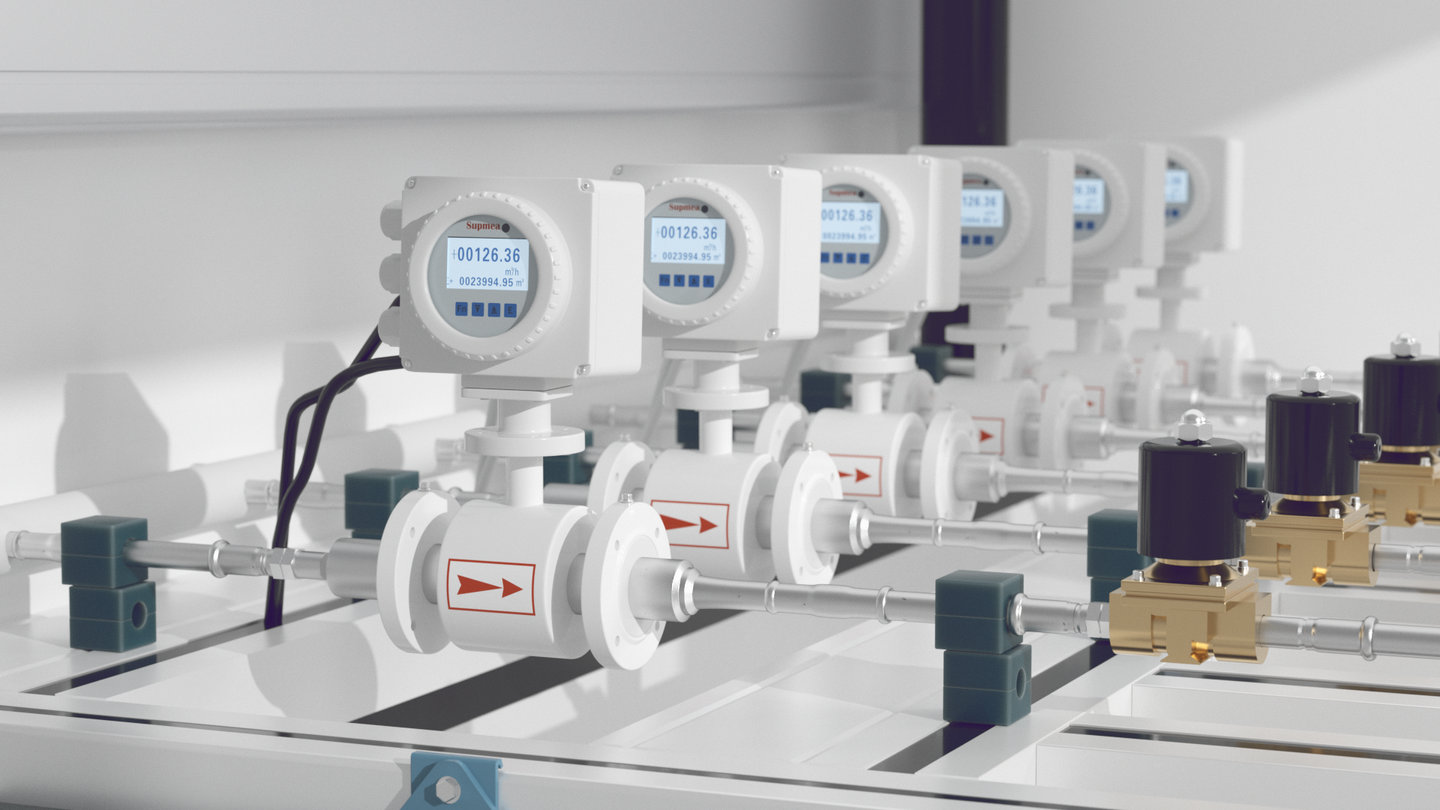
Supmea's SUP-LDG series offers a range of high-quality flow meters specifically designed for flow measurement in sewage treatment plants. These flow meters utilize advanced technologies and robust construction to ensure accurate and reliable performance in challenging operating conditions.
3.2 Key Features and Benefits
Robust Construction: The SUP-LDG flow meters are built to withstand the harsh environments commonly found in sewage treatment plants. They are resistant to corrosion, abrasion, and chemical exposure, ensuring long-term reliability.
Accurate Measurement: The advanced sensing technology employed in SUP-LDG flow meters provides precise and repeatable flow measurement, even in the presence of suspended solids or varying flow rates.
Wide Flow Range: SUP-LDG flow meters are capable of measuring both low and high flow rates, making them suitable for a wide range of applications within sewage treatment plants.
Easy Installation: These flow meters are designed for simple and convenient installation, allowing for quick integration into existing plant infrastructure.
User-Friendly Interface: SUP-LDG flow meters feature an intuitive interface that enables easy configuration, monitoring, and data retrieval, enhancing operational efficiency.
4. Applications of SUP-LDG Flow Meters in Sewage Treatment Plants
4.1 Influent and Effluent Flow Measurement
The SUP-LDG series is widely used for measuring influent and effluent flow rates in sewage treatment plants. Accurate measurement of these flows helps in tracking the quantity of incoming wastewater and the treated water being discharged, ensuring compliance with environmental regulations and permit requirements.
4.2 Sludge Flow Measurement
Sludge, a byproduct of the treatment process, requires careful management. SUP-LDG flow meters accurately measure sludge flow rates, enabling operators to optimize the handling, processing, and disposal of sludge.
4.3 Recirculation Flow Measurement
Recirculation plays a vital role in maintaining optimal treatment conditions. SUP-LDG flow meters monitor the flow of recirculated water, ensuring the proper distribution of treated water back into the treatment process.
5. Installation and Maintenance Considerations
5.1 Proper Installation Guidelines
To achieve accurate flow measurement, the proper installation of SUP-LDG flow meters is essential. Following the manufacturer's guidelines and industry best practices ensures optimal performance and reduces the risk of measurement errors.
5.2 Routine Maintenance and Calibration
Regular maintenance and calibration of SUP-LDG flow meters are crucial for sustained accuracy and reliability. Implementing a scheduled maintenance program and adhering to calibration intervals help maintain optimal performance and extend the lifespan of the flow meters.
6. Case Studies: Real-World Implementations
6.1 City A: Optimizing Influent Flow Measurement
City A's sewage treatment plant implemented SUP-LDG flow meters to improve influent flow measurement accuracy. The flow meters provided real-time data, allowing operators to identify fluctuations and potential issues promptly. With the insights gained, the plant optimized its treatment processes, resulting in enhanced efficiency and cost savings.
6.2 City B: Enhancing Sludge Flow Monitoring
City B's sewage treatment plant faced challenges in managing sludge flow. By deploying SUP-LDG flow meters, the plant achieved precise and reliable sludge flow measurements. This enabled operators to streamline the sludge handling process, reducing waste and improving overall plant performance.
7. Conclusion
Accurate flow measurement is vital for the efficient and effective operation of sewage treatment plants. Supmea's SUP-LDG flow meters offer reliable and robust solutions for flow measurement in challenging wastewater environments. With their advanced features and application-specific design, SUP-LDG flow meters contribute to optimized plant performance and environmental compliance.
FAQs (Frequently Asked Questions)
Q1: Can SUP-LDG flow meters be used for other applications apart from sewage treatment plants?
Yes, SUP-LDG flow meters can be utilized in various industries and applications where accurate flow measurement is required, including water treatment, industrial processes, and agriculture.
Q2: Are SUP-LDG flow meters suitable for both indoor and outdoor installations?
Yes, SUP-LDG flow meters are designed to withstand both indoor and outdoor environments, ensuring reliable performance in different installation conditions.
Q3: What is the typical lifespan of a SUP-LDG flow meter?
The lifespan of SUP-LDG flow meters depends on various factors, including operating conditions, maintenance practices, and calibration intervals. With proper care and maintenance, these flow meters can provide reliable performance for many years.
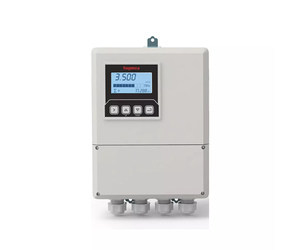
A magnetic flow transmitter is a device that is used to measure the flow rate of liquids in pipes. It works by using a magnetic field to measure the velocity of the liquid as it flows through the pipe. The transmitter consists of a sensor that is mounted on the outside of the pipe and a converter that processes the signal from the sensor.
The magnetic flow transmitter is a highly accurate and reliable device that is widely used in industries such as water treatment, chemical processing, and food and beverage production. It is particularly useful for measuring the flow of corrosive or abrasive liquids, as it does not have any moving parts that can be damaged by these substances.
One of the key advantages of the magnetic flow transmitter is its ability to measure flow rates over a wide range of velocities. It can accurately measure both low and high flow rates, making it a versatile tool for a variety of applications. Additionally, the device can be used to measure the flow of liquids with varying viscosities, densities, and temperatures.
The magnetic flow transmitter is also easy to install and maintain. It does not require any special calibration or adjustment, and it can be easily integrated into existing piping systems. The device is also highly durable and can withstand harsh environments, making it a reliable choice for industrial applications.