


- Home
- Companies
- Aimix Group Co., Ltd
- Articles
- Supporting Environmental Protection ...


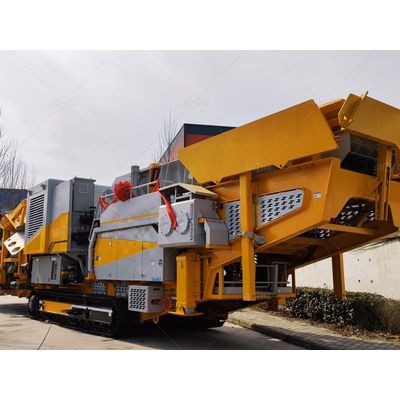
Supporting Environmental Protection Measures for the Aggregate Plant
The growing demand for construction materials has increased the need for efficient aggregate crushing plants and stone crusher plants. However, their operations can have significant environmental impacts, such as dust emissions, noise pollution, and resource depletion. Implementing effective environmental protection measures is crucial to ensure sustainable operations while meeting regulatory requirements. This article explores various strategies and technologies to support environmental protection in aggregate plants.
The Importance of Environmental Measures in Aggregate Plants
Aggregate and stone crushing plants play a vital role in infrastructure development. However, their operations can contribute to air and water pollution, disturb local ecosystems, and affect nearby communities. Proactively addressing these challenges not only minimizes environmental harm but also enhances operational efficiency and compliance with environmental regulations.
Key Environmental Protection Measures for Aggregate Plants
1. Dust Control Strategies
Dust Suppression Systems
Dust is a significant byproduct of crushing and screening activities in an aggregate crushing plant(planta procesadora de agregados). Installing dust suppression systems, such as water sprays or misting systems, at key points like crushers, screens, and conveyors can effectively reduce airborne particles.
Enclosures and Barriers
Enclosing crushers and screens or using windbreak barriers helps contain dust within the plant area. These measures are particularly effective for minimizing dust emissions in windy conditions.
Use of Recycled Water
Recycled water can be used in dust suppression systems, reducing water consumption while maintaining effective dust control.
2. Noise Reduction Techniques
Equipment Maintenance
Well-maintained equipment produces less noise. Regular servicing of crushers, screens, and conveyors ensures smooth operations and minimizes noise pollution.
Acoustic Enclosures
Installing acoustic enclosures around noisy machinery, such as crushers and generators, can significantly reduce noise levels. These enclosures are designed to absorb and block sound waves.
Strategic Plant Layout
Positioning noisy equipment, like the primary stone crusher plant(planta trituradora de piedra), away from residential areas or sensitive ecosystems helps reduce the impact of noise pollution.
3. Water Management Solutions
Recycling and Reuse
Water is essential for dust suppression and washing aggregates. Implementing water recycling systems within the plant reduces freshwater consumption and prevents wastewater discharge into the environment.
Sedimentation Ponds
Sedimentation ponds or basins can be used to treat wastewater from washing processes. These ponds allow suspended particles to settle, ensuring cleaner water is reused or discharged.
Preventing Water Contamination
Proper storage of fuels, oils, and chemicals is crucial to prevent leaks or spills that could contaminate nearby water sources.
4. Efficient Resource Utilization
Use of Renewable Energy
Switching to renewable energy sources, such as solar or wind power, for plant operations reduces reliance on fossil fuels and lowers greenhouse gas emissions.
Recycling Materials
Incorporating recycled aggregates into the production process reduces the demand for virgin materials, conserving natural resources and minimizing waste.
Optimized Crushing Processes
Modern crushing technologies, such as automated crushers, improve energy efficiency and reduce waste by ensuring precise material sizing.
5. Landscaping and Rehabilitation
Green Buffer Zones
Planting trees and vegetation around the plant site acts as a natural barrier against dust and noise while improving the visual appeal of the area.
Site Rehabilitation Plans
Once operations at an aggregate plant are complete, rehabilitating the site by restoring natural vegetation or creating artificial lakes ensures minimal long-term environmental impact.
6. Waste Management Practices
Proper Disposal of Byproducts
Byproducts like fine aggregates and crusher dust should be properly stored or repurposed to prevent environmental contamination.
Recycling Plant Waste
Some plant waste can be recycled into secondary products, such as bricks or road base materials, reducing overall waste generation.
7. Compliance with Environmental Regulations
Regular Monitoring
Conducting regular environmental monitoring for dust, noise, and water quality ensures that the plant complies with local regulations and identifies areas for improvement.
Training and Awareness
Training plant personnel on environmental protection practices fosters a culture of sustainability and ensures that measures are effectively implemented.
Benefits of Environmental Protection Measures
1. Regulatory Compliance
Adhering to environmental regulations helps avoid fines, legal issues, and potential shutdowns. Proactive compliance demonstrates the plant’s commitment to sustainability.
2. Improved Community Relations
Minimizing environmental impacts fosters goodwill with local communities and stakeholders, reducing opposition to plant operations.
3. Enhanced Efficiency
Environmental measures, such as water recycling and optimized crushing processes, often lead to cost savings and improved operational efficiency.
4. Long-Term Sustainability
Sustainable practices ensure the long-term viability of aggregate and stone crusher plants, supporting both environmental and economic goals.
Conclusion
Environmental protection measures are essential for the sustainable operation of aggregate crushing plants and stone crusher plants. By implementing dust and noise control systems, efficient water management, and waste recycling practices, plants can minimize their environmental impact while improving efficiency and compliance. Proactively addressing environmental concerns not only benefits the planet but also enhances the plant's reputation and profitability. A commitment to sustainability ensures that aggregate plants can continue to meet growing demands while preserving the environment for future generations.