



Measuring N2O Emissions from Wastewater Treatment Plants
Wastewater treatment plants are indispensable infrastructures for maintaining public health and environmental quality. However, these facilities are not only responsible for purifying water; they also emit significant amounts of greenhouse gases, including nitrous oxide (N2O). Despite its potency as a greenhouse gas, the monitoring and measurement of N2O emissions from wastewater treatment plants have often been overlooked. This article aims to underscore the critical importance of accurately measuring N2O emissions from these facilities.
Nitrous oxide is a byproduct of microbial activities during the treatment of wastewater, particularly in processes involving nitrogen removal. It is a potent greenhouse gas with a global warming potential approximately 300 times that of carbon dioxide over a 100-year period. Despite its relatively low concentration in the atmosphere compared to CO2 and methane (CH4), N2O contributes significantly to climate change. Therefore, precise measurement and monitoring of N2O emissions from wastewater treatment plants are essential for understanding their environmental impact.
1. Quantifying Environmental Impact
Measuring N2O emissions allows us to quantify the environmental impact of wastewater treatment plants accurately. By understanding the volume of N2O released into the atmosphere, policymakers, scientists, and stakeholders can assess the contribution of these facilities to climate change and devise strategies to mitigate their emissions. Additionally, monitoring N2O emissions helps identify areas for improvement in treatment processes and infrastructure, leading to more sustainable and efficient wastewater treatment practices.
2. Informing Policy and Regulation
Accurate measurement of N2O emissions is crucial for informing policy decisions and regulatory frameworks aimed at reducing greenhouse gas emissions. By establishing emission standards and targets for wastewater treatment plants, governments can incentivize the adoption of technologies and practices that minimize N2O emissions. Furthermore, robust monitoring systems enable regulatory authorities to enforce compliance and hold facilities accountable for their environmental impact.
3. Optimizing Treatment Processes
Measuring N2O emissions provides valuable insights into the efficiency of wastewater treatment processes. By identifying the factors contributing to N2O generation, operators can optimize treatment strategies to minimize emissions while maintaining water quality standards. This may involve implementing advanced treatment technologies, optimizing aeration and nutrient management, and enhancing operational practices to reduce nitrogen loading and microbial activity associated with N2O production.
4. Facilitating Research and Innovation
Accurate measurement of N2O emissions from wastewater treatment plants serves as a foundation for scientific research and innovation in the field of environmental engineering. Researchers can use emission data to develop predictive models, evaluate the effectiveness of emission reduction strategies, and explore novel approaches for mitigating N2O emissions. Moreover, sharing data and best practices across the industry fosters collaboration and accelerates the development of sustainable solutions.
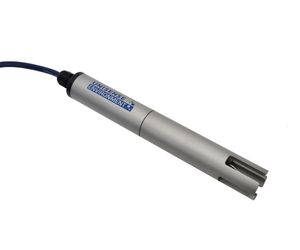
Measure dissolved N2O with fast response time in the biological tanks of wastewater treatment plants. The sensor delivers a temperature compensated data output to your N2O Wastewater Controller with a response time of less than 65 seconds. You can expect a very stable signal from the sensor. Read more >>
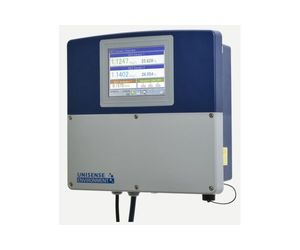
The N2O Wastewater Controller shows you the temperature compensated N2O levels, emission rates, and process temperatures from up to two N2O Wastewater Sensors. Direct Data Collection and Transmission; With the N2O Wastewater Controller, you collect data from the N2O Wastewater Sensors. You can connect the controller to your plant`s PLC or SCADA system to automate the collection of data. You can also choose a USB data logger to extract data directly from the controller to a USB drive without connecting to the PLC or SCADA system. Read more >>
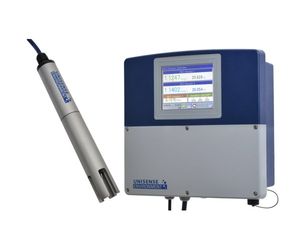
Measure dissolved N2O directly in bulk water. If your goal is to reduce the environmental impact from N2O emission, you need robust and reliable real-time N2O measurements in order to implement active control strategies. Read more >>
In conclusion, the measurement of N2O emissions from wastewater treatment plants is indispensable for understanding their environmental impact, informing policy decisions, optimizing treatment processes, and driving innovation. As we strive to address the challenges of climate change and environmental degradation, accurate monitoring and measurement of N2O emissions play a vital role in promoting sustainability and resilience in wastewater management practices. By prioritizing this aspect of wastewater treatment, we can work towards building a cleaner, healthier, and more sustainable future for all.