


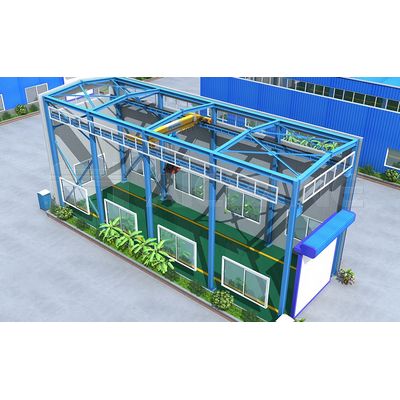
The Environmental Impact of Steel Structures
Steel structures have become synonymous with modern architecture and construction, offering durability, strength, and versatility. However, as concerns about environmental sustainability continue to grow, the question arises: Are steel structures environmentally friendly? In this article, we will delve into the various aspects of steel structures to explore their environmental impact and assess their sustainability.
Life Cycle Assessment (LCA):
To understand the environmental footprint of steel structures, it's crucial to consider their life cycle. The life cycle assessment (LCA) takes into account the entire journey of a steel structure, from raw material extraction to manufacturing, construction, and eventual disposal or recycling.
a. Raw Material Extraction: The primary raw material for steel is iron ore, which is abundant. However, the extraction and processing of iron ore can have environmental consequences, including deforestation, habitat disruption, and energy consumption.
b. Manufacturing Process: The manufacturing of steel involves energy-intensive processes, such as smelting and refining. Traditional methods, reliant on fossil fuels, contribute to greenhouse gas emissions. However, advancements in technology, such as electric arc furnaces powered by renewable energy, are improving the environmental profile of steel production.
c. Construction Phase: Steel structures offer advantages during construction, as they allow for faster assembly and reduced waste on-site. Additionally, steel is highly durable, requiring minimal maintenance over its lifespan.
d. End-of-Life Options: Unlike some construction materials, steel is highly recyclable. At the end of a structure's life, the steel can be repurposed, reducing the demand for new raw materials. This recyclability is a key factor in the environmental sustainability of steel frame structures.
Energy Efficiency:
Steel structures often excel in energy efficiency, both during their construction and throughout their operational life. The high strength-to-weight ratio of steel allows for lighter structures that require less material, leading to energy savings in both manufacturing and transportation.
a. Thermal Efficiency: Steel structures can be designed to have excellent thermal properties. Proper insulation and design considerations can result in energy-efficient buildings that require less heating and cooling, contributing to overall energy savings.
b. Longevity and Durability: The durability of steel structures means they have a longer lifespan compared to some alternative materials. This longevity reduces the need for frequent renovations or replacements, further decreasing the environmental impact over time.
Recycling and Circular Economy:
Steel's recyclability is a key factor in its environmental friendliness. When a steel structure reaches the end of its life, the material can be recycled and used in new construction projects. This closed-loop approach aligns with the principles of a circular economy, minimizing waste and reducing the reliance on virgin resources.
Challenges and Innovations:
While steel structures have notable environmental benefits, challenges remain. Addressing the carbon footprint of steel production, exploring alternative materials, and implementing sustainable practices in construction are areas where ongoing innovation is essential.
a. Low-Carbon Steel Production: Advancements in low-carbon steel production technologies, such as hydrogen-based processes, show promise in reducing the carbon emissions associated with steel manufacturing.
b. Wood-Steel Hybrid Structures: Combining steel with sustainable materials like wood in hybrid structures can offer a balanced approach, utilizing the strengths of each material while minimizing environmental impact.
Conclusion:
In conclusion, the environmental friendliness of steel structures depends on various factors, including manufacturing processes, energy efficiency, recyclability, and innovative practices. While challenges exist, the industry's ongoing commitment to sustainability, coupled with advancements in technology and design, positions steel structures as a viable and increasingly environmentally friendly option in the construction landscape. As the construction industry evolves, the integration of eco-friendly practices will play a crucial role in shaping the future of steel structures and their impact on the planet.