


The Essential Guide to Hydraulic Dredging Equipment for Modern Projects
The preference for hydraulic dredging solutions has grown because they deliver higher efficiency, greater versatility, and better long-term ROI for operators. From restoring rivers and lagoons to supporting massive mining projects, dredge equipment is no longer just a tool—it’s a cornerstone of infrastructure, energy, and environmental management.
As modern projects become increasingly demanding, contractors and operators are increasingly dependent on sand dredging equipment for excavation, transportation, and reclamation tasks. This blog serves as a comprehensive guide, helping you understand the evolution, applications, advantages, and innovations behind today’s hydraulic dredging solutions.
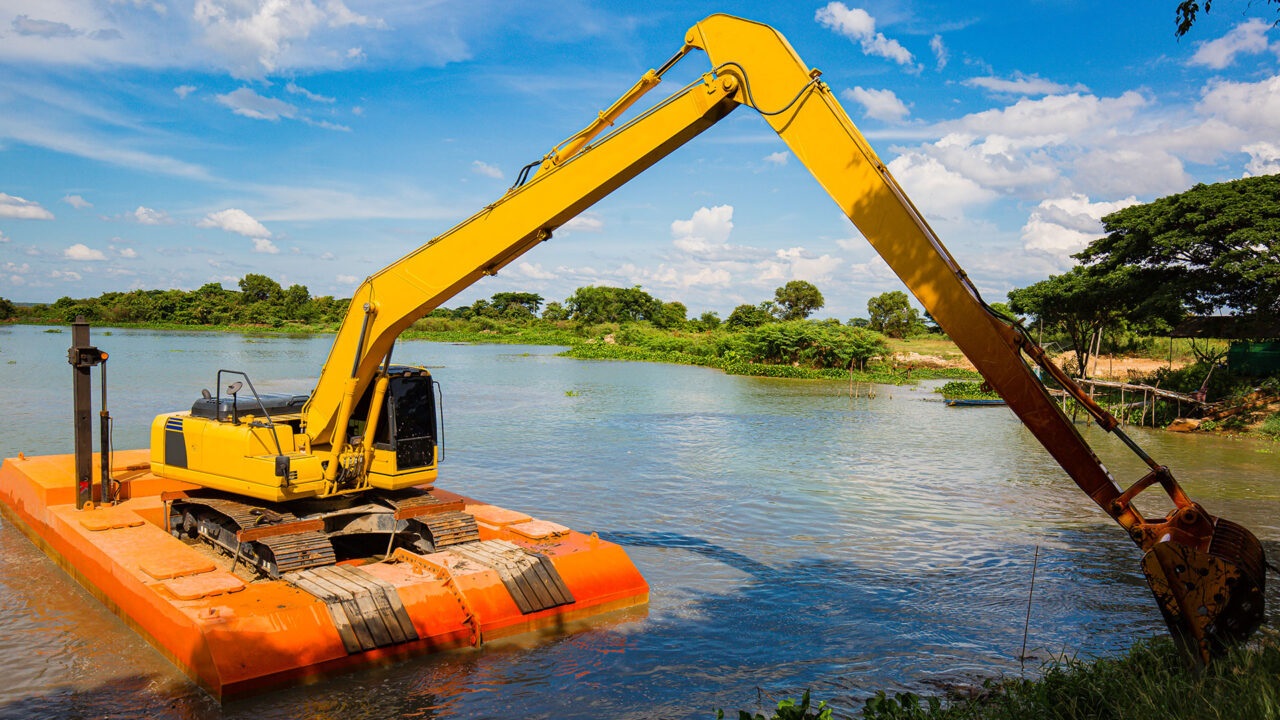
The story of dredge equipment spans centuries. Early dredging methods were simple—hand-dug canals or small barges fitted with crude scooping devices. By the 19th century, mechanical dredgers, such as bucket-line dredges, had become the standard, utilizing repetitive digging actions to excavate and remove sediment.
While effective for their time, mechanical systems had limitations: they were slow, labor-intensive, and prone to wear and tear. As global demand for shipping, mining, and construction surged, these drawbacks became costly. The transition toward hydraulic systems began in the early 20th century, when engineers realized pumps could move slurry more efficiently than buckets could scoop it.
Key milestones included:
- The introduction of centrifugal slurry pumps, capable of handling solids-laden fluids.
- Integration of pipelines, allowing dredged material to be transported directly to disposal or reclamation sites.
- The development of portable sand dredging equipment has enabled the support of both small- and large-scale projects.
By the late 20th century, hydraulic dredging became the global standard, offering unmatched versatility in ports, rivers, mines, and industrial settings. Today, hydraulic dredging equipment continues to evolve with the integration of automation, sensors, and smart energy systems, shaping the next generation of dredging technology.
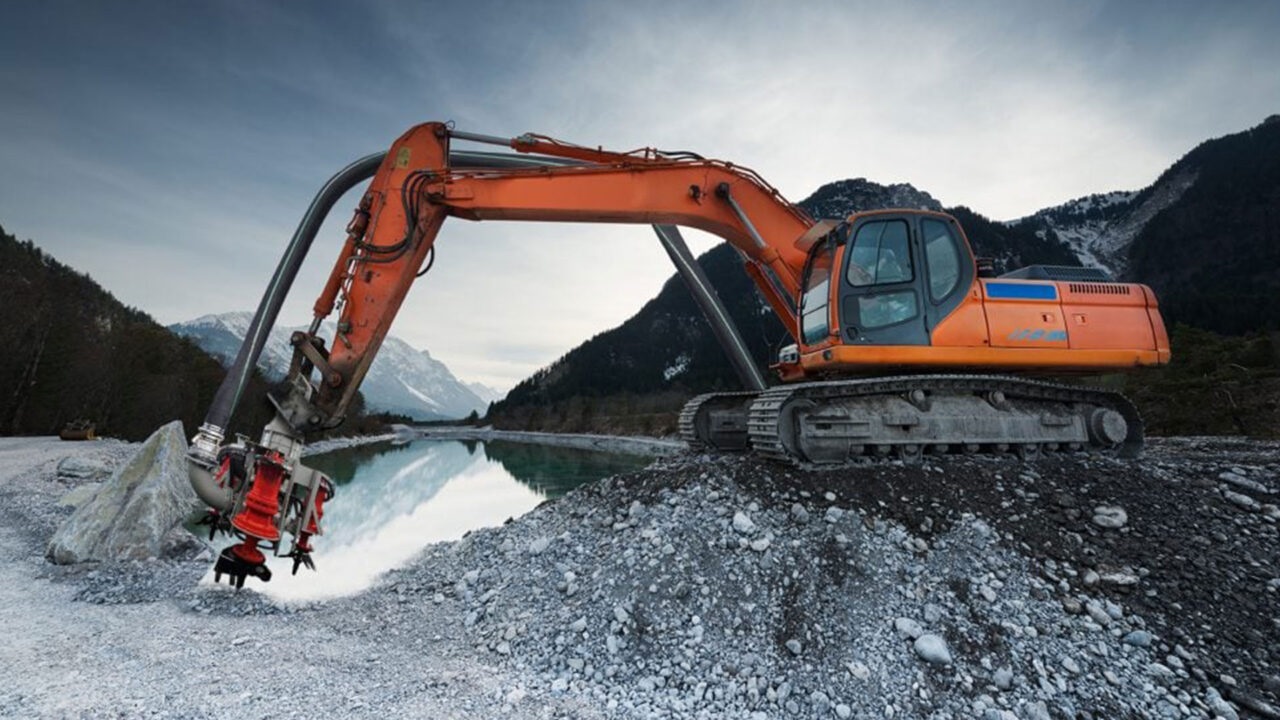
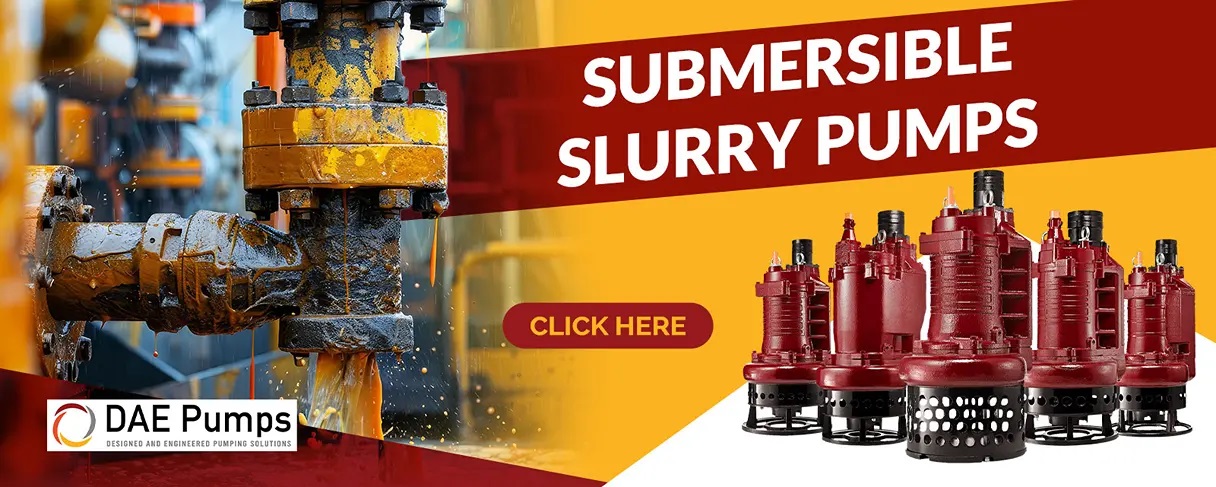
At its core, hydraulic dredging equipment is a system that excavates and transports sediment, sludge, or solids using the flow of water through pumps and pipelines. Instead of mechanical digging, it creates a slurry—a mixture of solids and liquid—that can be transported long distances.
Core Components
- Cutterhead or suction inlet: loosens or gathers material.
- Slurry pump: the heart of the system, generating suction and discharge pressure.
- Pipelines and hoses: transport slurry to the designated discharge point.
- Power unit: diesel or electric motor driving the pump.
- Floats and barges: provide buoyancy and stability for pipelines or equipment.
Hydraulic vs. Mechanical Dredging
- Mechanical dredging: uses grabs, buckets, or backhoes to lift material. Best for coarse, compacted soils, but limited in continuous operation.
- Hydraulic dredging utilizes pumps and water flow to transport slurry continuously. Ideal for sand, silt, and other fine to medium materials, with higher efficiency over time.
Pump Types Used
- Centrifugal slurry pumps: common in sand dredging equipment, built to handle abrasive particles.
- Submersible hydraulic pumps: compact and versatile for confined or deep-water projects.
- Self-priming pumps are used for operations that require frequent starts and stops.
Together, these components and pump types make hydraulic dredging the go-to method for modern infrastructure and industrial projects.
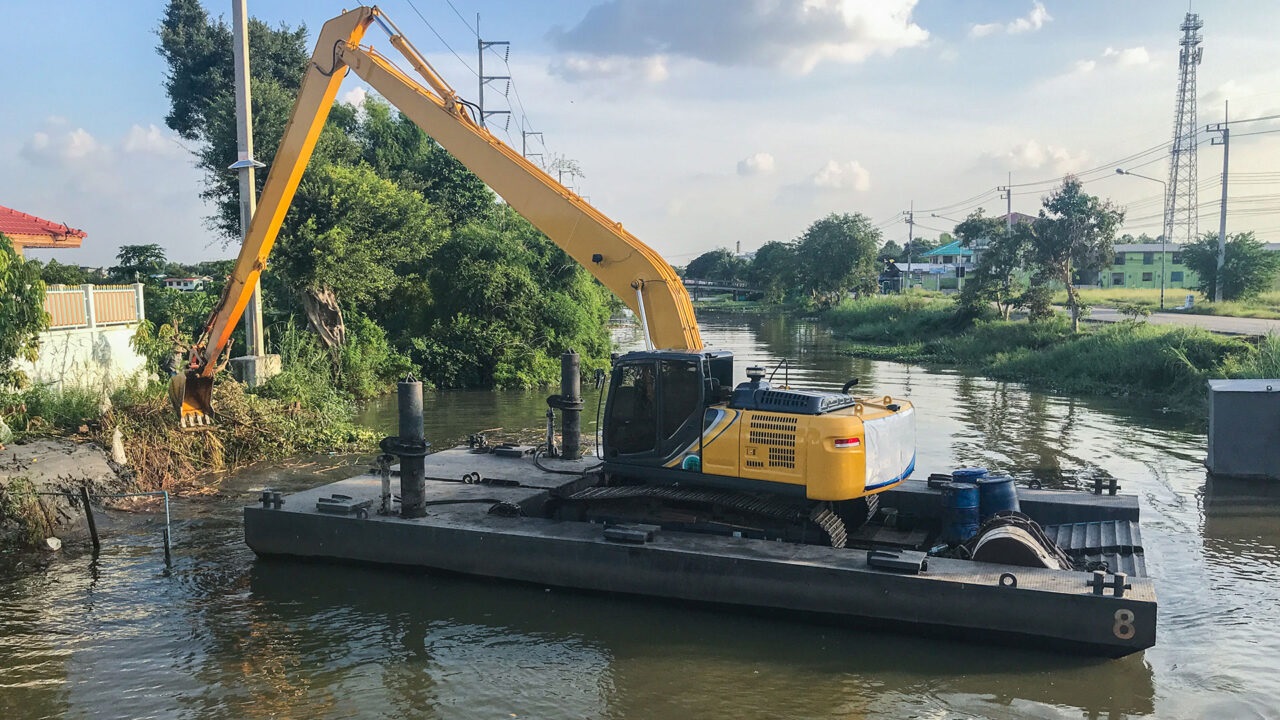
The adaptability of hydraulic dredging equipment makes it suitable for a wide range of industries.
Sand Dredging Equipment in Mining and Construction
Sand is a fundamental resource in construction and mining. From concrete production to land reclamation, sand dredging equipment facilitates large-scale excavation and the reliable transportation of materials. Mining operators utilize hydraulic dredges to extract valuable mineral sands, while contractors rely on portable dredges to support small-scale construction projects.
Harbor and Port Maintenance
Sediment buildup in ports and harbors reduces water depth, limiting navigation and trade. Hydraulic systems allow continuous dredging of channels, keeping shipping lanes open. Dredge equipment with high-capacity pumps can move thousands of cubic yards per day, reducing downtime for shipping companies.
Environmental and River Restoration
Hydraulic dredging is crucial in environmental projects where precision and minimal impact are essential. For example, restoring wetlands or removing contaminated sediment requires controlled slurry transport that minimizes disturbance to surrounding ecosystems. Hydraulic dredging equipment strikes a balance between efficiency and environmental compliance.
Industrial Applications
Power plants, chemical facilities, and wastewater plants frequently use dredge equipment for sludge removal, pond maintenance, and effluent management. In these applications, sand dredging equipment is modified to handle sludge with varying densities and abrasive properties.
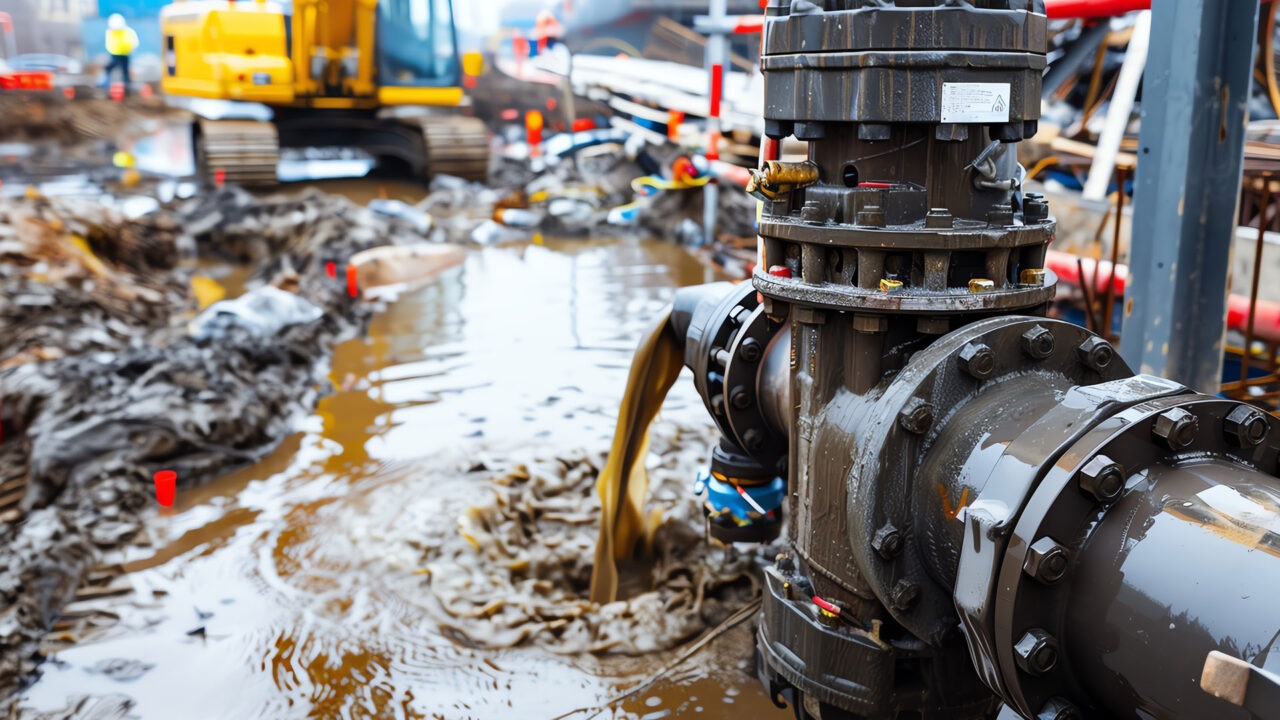
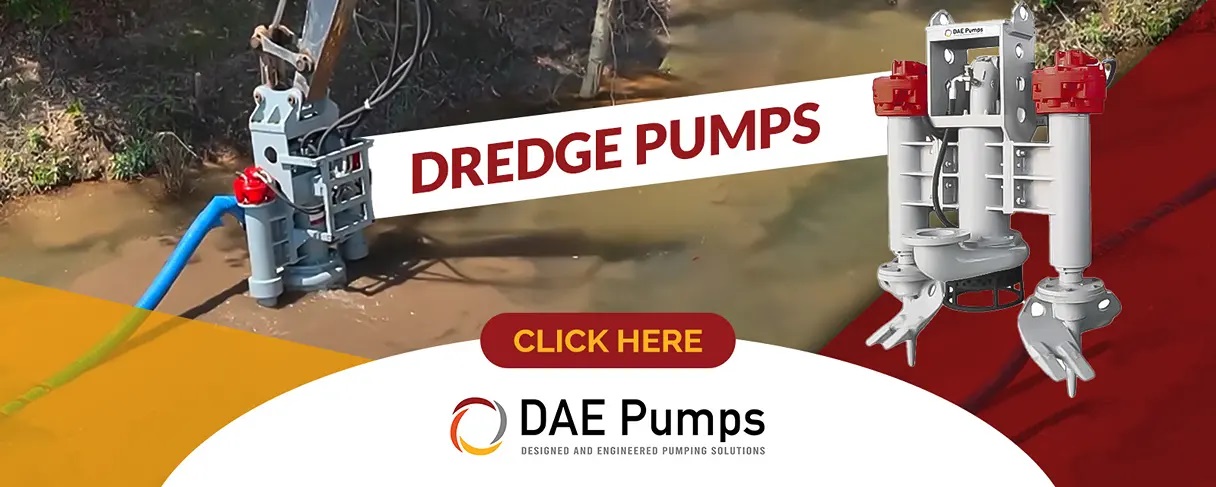
Companies across mining, construction, municipal, and environmental sectors consistently choose hydraulic dredging equipment because it delivers superior results compared to traditional alternatives. The technology is designed to handle challenging conditions and diverse applications, making it the go-to solution for contractors and project managers seeking both performance and cost efficiency.
Efficiency with high solids content:
Unlike conventional mechanical dredges, hydraulic dredging systems excel when dealing with abrasive mixtures such as sand, gravel, silt, and slurry. Pumps integrated into this type of dredge equipment are designed to move high volumes of material without clogging or malfunctioning. This results in reduced downtime, fewer maintenance interruptions, and overall smoother operations.
Versatility across environments:
Hydraulic systems can be deployed in a wide range of conditions—from small ponds and industrial lagoons to deep rivers and open coastal projects. This adaptability enables contractors to utilize the same core set of equipment across multiple job types, thereby maximizing their return on investment. Whether the task involves clearing sediment from a marina or managing large-scale river restoration, hydraulic dredging remains one of the most effective solutions available.
Cost-effectiveness and labor savings:
Because hydraulic systems rely on continuous pumping rather than mechanical scooping, they reduce the need for multiple operators and heavy fuel consumption. Over time, this translates into significant cost reductions. Compared to mechanical dredging, hydraulic dredging equipment consistently lowers operational expenses while maintaining high production rates.
Durability and long-term value:
When built with robust materials, including reinforced pumps, hoses, and wear parts, dredge equipment can operate in harsh environments with minimal repair requirements. Modern designs extend service life and reduce the frequency of part replacement, ensuring projects stay on schedule.
Ultimately, operators and project owners recognize that investing in reliable sand dredging equipment leads to fewer project delays, higher throughput, and stronger long-term ROI. By combining efficiency, adaptability, and durability, hydraulic systems provide an unmatched balance of performance and value, making them indispensable for industries that rely on continuous sediment removal and material transport.
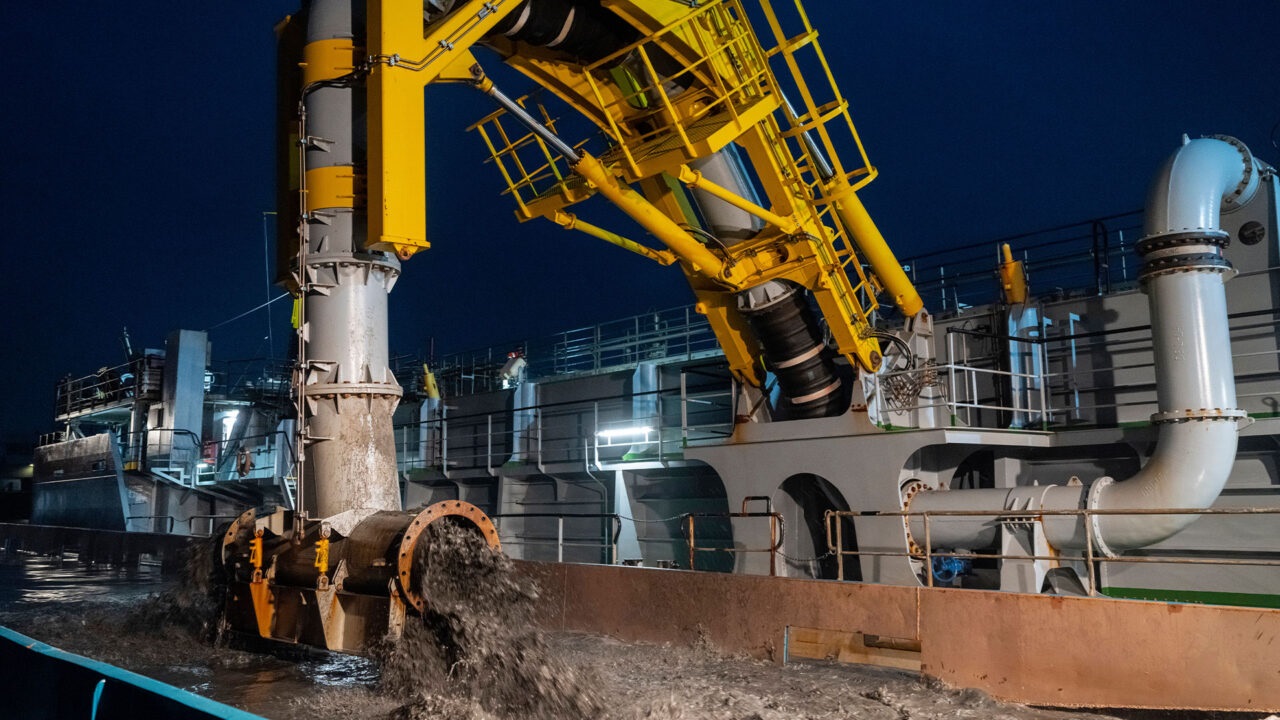
Every dredging project presents its own set of challenges, making the selection of the right hydraulic dredging equipment a critical step toward success. A one-size-fits-all approach often leads to inefficiencies, higher costs, or equipment failure, which is why carefully evaluating project conditions is essential.
Key Factors to Consider
- Slurry type: Grain size, abrasiveness, and solids concentration directly influence pump performance and wear resistance.
- Depth: Determines suction head requirements and guides pump size selection.
- Flow rate: Affects efficiency and discharge distance, ensuring the dredged material can be transported effectively.
- Material density: Heavier, denser materials require more robust dredge equipment to prevent premature wear and downtime.
Sizing and Pump Selection
Improper pump sizing is one of the most common pitfalls in dredging. Undersized pumps often struggle with cavitation, blockages, and inefficiency, while oversized systems waste energy and inflate operational costs. For example, deploying undersized sand dredging equipment in a project with high solids content may result in constant clogging and downtime. On the other hand, an oversized solution unnecessarily increases fuel consumption and maintenance costs. Achieving the right balance is vital to project efficiency and profitability.
The DAE Pumps Advantage
DAE Pumps specializes in providing hydraulic dredging equipment tailored to the exact needs of each project. With a diverse product line—including submersible pumps, cable-deployed systems, and portable dredges—DAE ensures that customers get equipment suited to their specific slurry type, site depth, and discharge requirements. By aligning pump design with operational demands, DAE helps operators minimize downtime, extend equipment life, and maximize ROI.
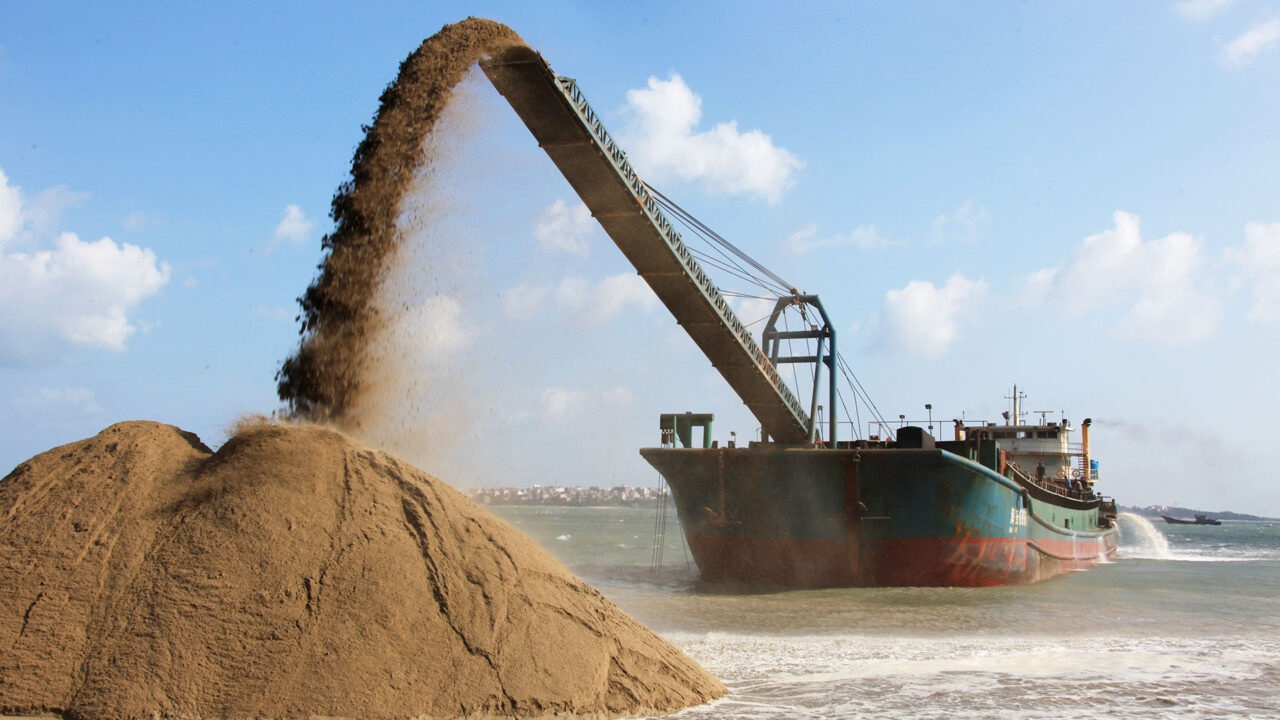
The dredging industry has undergone a major transformation in recent years, with new technology reshaping how contractors approach sediment removal and material transport. Modern projects demand higher efficiency, better safety, and reduced environmental impact, and these goals are being achieved through cutting-edge advances in sand dredging equipment and supporting systems.
Automation and Sensors
One of the most impactful changes has been the integration of automation and advanced sensors. Smart dredges now continuously monitor flow rates, solids concentration, and pump performance in real time. By removing guesswork, operators can optimize output, minimize clogs, and extend the life of their pumps and hoses. This level of precision has made hydraulic dredging equipment more predictable and cost-effective than ever before.
Remote Operation and Safety
Another breakthrough is the ability to remotely control dredging systems. Operators can manage dredging operations from a safe distance, reducing exposure to hazardous conditions in deep water or contaminated environments. Remote operation also allows project managers to oversee multiple sites more efficiently, further improving project control and reducing delays. For industries working in harsh conditions, remote functionality has become a core advantage of advanced hydraulic dredging equipment.
Energy Efficiency and Sustainability
Sustainability is now a top priority in the dredging industry. Modern sand dredging equipment incorporates variable frequency drives, optimized impeller designs, and energy-efficient motors. These upgrades lower fuel consumption, reduce greenhouse gas emissions, and help contractors meet regulatory standards. By lowering energy costs while increasing output, innovative hydraulic dredging equipment strikes a balance between performance and environmental responsibility.
In today’s competitive landscape, contractors equipped with the latest hydraulic dredging equipment gain an edge by delivering projects that are safer, greener, and more efficient. These innovations not only improve productivity but also redefine the long-term value of dredging technology.
Owning or operating hydraulic dredging equipment requires consistent maintenance to maximize uptime and efficiency.
Preventive Care
Routine inspections of pumps, seals, and pipelines prevent unexpected breakdowns. Monitoring wear on impellers is especially important in sand dredging equipment, where abrasive materials accelerate damage.
Spare Parts and Accessories
Maintaining an inventory of hoses, floats, and couplings ensures quick replacements are available. Quality OEM parts are engineered to work seamlessly with dredge equipment, while aftermarket components may compromise performance or shorten lifespan.
Best Practices
- Flush pumps after each use to remove sediment.
- Monitor pump curves and flow rates to detect early signs of wear and tear.
- Replace worn liners and impellers before they cause secondary damage.
Adopting these practices ensures that sand dredging equipment and hydraulic systems operate reliably, reducing costly downtime.
DAE Pumps has established itself as a trusted name in the dredging industry by delivering rugged, high-performance solutions tailored to the needs of industrial, municipal, and mining applications.
- Product Range
From small portable dredges to high-capacity submersible pumps, DAE provides one of the widest selections of hydraulic dredging equipment in the market. This includes sand dredging equipment designed for mining and land reclamation, as well as versatile dredge equipment for environmental and industrial applications.
- Proven Success
DAE Pumps equipment has been deployed worldwide in ports, rivers, and industrial facilities. Customers choose DAE not only for product reliability but also for the company’s deep expertise in handling challenging slurries.
- Global Support
With readily available spare parts, responsive after-sales service, and technical consultation, DAE ensures clients get the most from their dredging investment. Whether you’re looking for compact portable units or large-scale slurry pumps, DAE Pumps provides comprehensive support at every stage.
As industries grow more complex and environmentally conscious, hydraulic dredging equipment is proving indispensable for modern projects. Its efficiency, adaptability, and cost-effectiveness make it the preferred choice over outdated mechanical alternatives.
Whether you’re managing harbor maintenance, executing mining projects, or restoring rivers, DAE Pumps offers the expertise and product range to meet your needs. From advanced sand dredging equipment to durable dredge equipment for industrial use, DAE Pumps is your partner in reliable dredging solutions.
Ready to take your project to the next level? Explore DAE Pumps’ full line of hydraulic dredging systems today and discover how the right equipment can save time, reduce costs, and maximize results.