


- Home
- Companies
- Aimix Group Co., Ltd
- Articles
- The Future of Smart Container Gantry ...
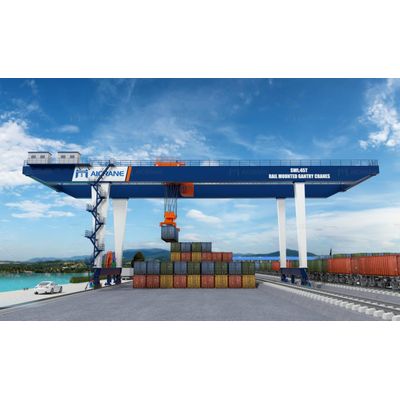
The Future of Smart Container Gantry Cranes in Large Ports
The global logistics and shipping industry is experiencing a transformative phase, driven by the rapid advancements in technology. Container gantry cranes, the vital machines for lifting and handling containers in large ports, are at the heart of this transformation. The next generation of these cranes, powered by automation, sensors, artificial intelligence (AI), and data analytics, is set to revolutionize port operations. In this article, we will explore the future of smart container gantry cranes in large ports, analyzing the benefits, challenges, and technological innovations that are reshaping the industry.
The Growing Need for Smart Container Gantry Cranes
Large ports are the backbone of global trade, handling millions of containers annually. To meet the increasing demand for faster and more efficient operations, ports are looking for innovative solutions that can maximize throughput, reduce operating costs, and improve safety. Traditional container gantry cranes have long been the workhorses of the shipping industry, but their operation, while reliable, is often labor-intensive, less efficient, and prone to human error.
As ports continue to scale and handle larger volumes of cargo, smart container gantry cranes, integrated with cutting-edge technologies, are emerging as a key enabler of growth. These cranes leverage automation, IoT (Internet of Things), AI, and machine learning algorithms to make real-time decisions, reduce downtime, and improve overall port productivity.
The Role of Automation and Robotics
One of the most significant innovations in the future of smart container gantry cranes is automation. Automated container gantry cranes (ACGCs) have already begun to make their mark in several advanced ports. These cranes are designed to operate with minimal human intervention, utilizing sensors, cameras, and AI to guide their movements with precision and efficiency.
Automated cranes use a combination of laser sensors, radar, and cameras to detect obstacles and containers, enabling them to adjust their movements in real-time. This capability allows cranes to handle containers autonomously, reducing the risk of accidents and optimizing the crane’s cycle time. With automated systems, crane operators can monitor and manage multiple cranes from a centralized control room, increasing their effectiveness while reducing the reliance on manual labor.
The integration of robotics in crane design further enhances the potential for automation. Robotic arms and automated hoists can handle containers with greater precision, providing faster turnarounds and improving safety by reducing human exposure to hazardous environments.
The Role of AI and Machine Learning
Artificial Intelligence (AI) and machine learning are playing a central role in the future of smart container gantry cranes. Through AI algorithms, cranes can learn from past operations, predict maintenance needs, and optimize their movements. This predictive capability allows cranes to improve their operational efficiency by adjusting to changing conditions in the port.
AI can also be used to improve the scheduling and coordination of container handling. For instance, by analyzing real-time data from the port, AI can recommend the most efficient routes and handling methods, reducing delays and congestion. Furthermore, AI-enabled cranes can adjust their performance based on weather conditions, container weight, and other operational factors.
Machine learning can also play a vital role in predictive maintenance. By analyzing data collected from the crane’s sensors, the system can identify early signs of wear and tear, preventing costly breakdowns and reducing downtime. This predictive maintenance capability is essential in large ports, where crane availability and uptime are critical to maintaining high productivity levels.
IoT Integration and Data Analytics
The Internet of Things (IoT) is another cornerstone of smart container gantry crane technology. IoT-enabled cranes are equipped with a network of sensors that constantly collect and transmit data on crane performance, load conditions, environmental factors, and much more. This data can be analyzed in real-time to optimize crane operations, detect faults, and plan maintenance.
The integration of IoT into container gantry cranes allows for seamless communication between the crane, other port equipment, and the central control system. This data exchange ensures that all machinery in the port works in harmony, further enhancing overall operational efficiency.
Data analytics, powered by IoT, provides valuable insights into crane operations. Port operators can access detailed reports on crane performance, including cycle times, energy consumption, and load handling capacity. This data-driven approach enables operators to identify inefficiencies, implement improvements, and ensure that cranes are working at optimal capacity.
Energy Efficiency and Sustainability
As ports become more conscious of their environmental impact, energy efficiency and sustainability are crucial considerations in crane design. The future of smart container gantry cranes involves designing energy-efficient cranes that minimize fuel consumption and reduce emissions. The use of hybrid and fully electric cranes is expected to increase, replacing the traditional diesel-powered cranes.
Smart cranes can incorporate energy-saving features such as regenerative braking systems, which capture energy during deceleration and store it for later use. Additionally, AI and data analytics can help optimize crane movements, ensuring that energy is used efficiently, and unnecessary energy consumption is avoided.
By integrating renewable energy sources such as solar panels into crane systems, ports can further reduce their carbon footprint. Smart container gantry cranes, combined with green technologies, will play a key role in making large ports more sustainable in the future.
Safety Enhancements
Safety is a critical concern in port operations, where heavy machinery and large volumes of cargo can pose risks to workers. The future of smart container gantry cranes includes advanced safety features that enhance the protection of both workers and the equipment.
Sensors and AI systems can detect hazards in the crane’s surroundings, such as workers in the vicinity or obstacles in the path, and automatically adjust the crane’s movements to avoid accidents. In addition, predictive analytics can identify safety risks based on historical data, allowing operators to take proactive measures before accidents occur.
Remote monitoring systems will enable crane operators to control machines from a safe distance, reducing the need for on-site personnel in hazardous areas. In the future, fully automated rail mounted gantry cranes could eliminate the need for human operators on the crane itself, further improving safety.
The Challenges of Implementing Smart Container Gantry Cranes
While the future of smart container gantry cranes holds great promise, there are several challenges that need to be addressed. The initial cost of implementing smart cranes with automation, AI, and IoT integration can be substantial. However, the long-term benefits, including increased efficiency, reduced labor costs, and improved safety, make the investment worthwhile.
Additionally, integrating these advanced technologies into existing port infrastructure can be complex. Port operators may need to upgrade their control systems, communication networks, and equipment to support smart cranes. Training the workforce to operate and maintain these advanced machines is also essential to ensure a smooth transition.
Conclusion
The future of smart container gantry cranes in large ports is exciting, with automation, AI, IoT, and data analytics driving significant improvements in efficiency, safety, and sustainability. As ports continue to evolve and handle greater volumes of cargo, these intelligent machines will be essential in meeting the demands of the global supply chain. Despite the challenges, the benefits of smart cranes, including reduced operational costs, faster turnaround times, and enhanced safety, will pave the way for more advanced, efficient, and environmentally-friendly port operations. As technology continues to advance, we can expect the next generation of container gantry cranes to play an increasingly vital role in shaping the future of port logistics.