


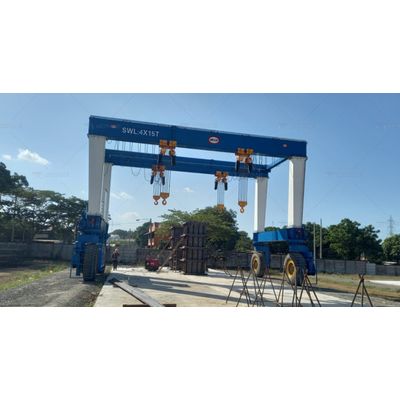
The Impact of Rubber Tyred Gantry Cranes
Rubber tyred gantry cranes (RTGs) have significantly transformed the landscape of logistics and container handling industries. These towering machines have revolutionized the efficiency, safety, and sustainability of port operations worldwide. This article delves into the multifaceted impact of RTGs, exploring their influence on port productivity, supply chain dynamics, and environmental sustainability.
Enhancing Port Productivity
RTGs play a pivotal role in enhancing port productivity by streamlining container handling operations. With their remarkable lifting capacity and swift maneuverability, RTGs enable ports to efficiently load and unload containers from ships, reducing vessel turnaround times and minimizing berth congestion. The versatility of RTGs allows them to handle various container sizes and types, optimizing storage space and maximizing throughput in bustling port terminals. Moreover, the integration of advanced technologies such as automation and data analytics empowers ports to optimize RTG deployments, prioritize tasks, and minimize equipment idle time, driving continuous improvement in operational efficiency.
Facilitating Global Trade
The global economy relies heavily on efficient transportation and logistics networks, with ports serving as vital hubs for international trade. RTGs facilitate the seamless movement of goods between land and sea, serving as critical links in the supply chain. By expediting the handling of containers, RTGs(Кран козловой 50 тонн) enable ports to accommodate larger vessels, accommodate growing trade volumes, and maintain competitiveness in the global market. Furthermore, the reliability and scalability of RTGs make them indispensable assets in adapting to fluctuating demand patterns, seasonal variations, and evolving customer requirements, ensuring the smooth flow of goods across borders.
Driving Sustainability
In an era of increasing environmental awareness, the sustainability of port operations has become a paramount concern. RTGs play a crucial role in driving sustainability initiatives within ports, particularly through the adoption of electrified and hybrid models. Electric RTGs powered by renewable energy sources such as solar and wind reduce greenhouse gas emissions, improve air quality, and mitigate the environmental impact of port operations. Additionally, the integration of energy-efficient components and regenerative braking technology enhances energy efficiency, reducing operational costs and dependency on fossil fuels. By embracing sustainable practices, ports can minimize their ecological footprint while maintaining operational excellence and social responsibility.
Promoting Safety and Innovation
Safety is a top priority in port operations, where the interaction between heavy machinery, personnel, and cargo poses inherent risks. RTGs are equipped with advanced safety features, including collision avoidance systems, proximity sensors, and emergency stop mechanisms, to protect workers and equipment from harm. Furthermore, the continuous innovation in RTG technology, such as the integration of automation and remote operation capabilities, enhances safety and efficiency while reducing reliance on manual labor. By investing in innovation and safety initiatives, ports can create a conducive work environment, attract top talent, and uphold their reputation as leaders in the maritime industry.
Maximizing Operational Efficiency
RTGs are instrumental in maximizing operational efficiency within port terminals. Their ability to handle multiple containers simultaneously, coupled with advanced automation features, minimizes turnaround times and optimizes resource utilization. By strategically positioning RTGs based on container flow patterns and vessel schedules, ports can minimize congestion and streamline operations, ensuring the timely movement of cargo from ship to shore and vice versa. Furthermore, the integration of real-time monitoring and predictive maintenance technologies enables ports to proactively identify and address potential issues, minimizing downtime and maximizing equipment availability.
Empowering Supply Chain Resilience
RTGs play a crucial role in bolstering supply chain resilience, particularly in times of disruptions such as natural disasters or global crises. Their versatility and adaptability enable ports to quickly adapt to changing circumstances, reroute cargo, and prioritize essential shipments, minimizing disruptions and ensuring continuity of operations. Additionally, the scalability of RTG deployments allows ports to scale their capacity up or down in response to fluctuating demand, maintaining flexibility and agility in the face of uncertainty. By serving as critical nodes in the supply chain, RTGs contribute to the resilience and robustness of global trade networks.
Fostering Economic Growth
The impact of RTGs extends beyond port operations, contributing to broader economic growth and development. Ports served by efficient RTG operations become attractive hubs for trade and investment, attracting businesses, creating jobs, and stimulating economic activity in surrounding communities. Moreover, the reliability and efficiency of RTG operations enhance the competitiveness of ports on a global scale, positioning them as preferred gateways for international trade. The economic benefits generated by thriving port operations ripple through the entire supply chain, supporting industries ranging from manufacturing and retail to agriculture and tourism.
Enabling Connectivity and Accessibility
RTGs play a pivotal role in enabling connectivity and accessibility within port ecosystems. Their ability to efficiently handle containers of various sizes and types facilitates the seamless integration of different modes of transportation, including ships, trucks, and railroads. This multimodal connectivity enhances the accessibility of ports to inland markets, reducing transportation costs, and expanding trade opportunities for businesses. Additionally, RTGs contribute to the development of intermodal facilities and logistics parks, creating logistics clusters that drive synergies and efficiencies across the entire supply chain.
Rubber tyred gantry cranes (RTGs) have left an indelible mark on the logistics and container handling industries, transforming port operations and driving efficiency, sustainability, and innovation. As ports continue to evolve in response to changing market dynamics and environmental challenges, RTGs will remain at the forefront of these advancements, shaping the future of global trade and maritime transportation. By harnessing the full potential of RTGs and embracing sustainable practices, ports can navigate the complexities of the modern supply chain, meet evolving customer demands, and thrive in an increasingly interconnected world.