


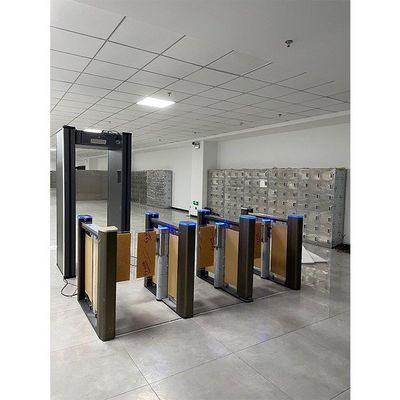
The Impact of Walk-Through Metal Detectors on School Security Protocols
The Impact of Walk-Through Metal Detectors on School Security Protocols
The integration of walk-through metal detectors into school security protocols has had a significant impact on enhancing safety measures within educational settings. These advanced screening devices have reshaped security practices, providing schools with a proactive mechanism to detect and deter potential threats. This article explores the profound impact of walk-through metal detectors on school security protocols and how they contribute to creating secure and nurturing learning environments.
1. Strengthened Security Infrastructure
The implementation of walk-through metal detectors serves as a cornerstone in strengthening the security infrastructure of schools. By seamlessly integrating these devices into existing security protocols, educational institutions enhance their ability to detect unauthorized items such as weapons and contraband that pose a threat to student and staff safety. The presence of walk-through metal detectors establishes a visible deterrent against individuals intending to bring harmful objects onto school premises, effectively fortifying security protocols and safeguarding the school community.
2. Enhanced Threat Detection Capabilities
Walk-through metal detectors significantly enhance threat detection capabilities within schools. By swiftly screening individuals for metal objects, these devices enable security personnel to identify and intercept potential threats before they enter the campus. The precision and efficiency of walk-through metal detectors in detecting concealed items empower schools to proactively mitigate security risks, ensuring a swift response to any unauthorized items that may endanger the safety and well-being of students and staff.
3. Improved Access Control Measures
The utilization of walk-through metal detectors has revolutionized access control measures in educational settings. These devices offer a systematic approach to screening students, staff, and visitors entering the school, enforcing a standardized security protocol that ensures thorough and consistent screenings for all individuals. The implementation of walk-through metal detectors streamlines the access control process, thereby regulating entry to the campus and minimizing the risk of unauthorized items being brought inside. This heightened level of access control fosters a secure learning environment where safety and security are prioritized.
4. Response and Intervention Protocols
Incorporating walk-through metal detectors into school security protocols necessitates the development of response and intervention protocols that align with the capabilities of these devices. Security personnel are trained to efficiently respond to alarms triggered by the detectors, promptly investigating and mitigating potential security threats. By establishing clear and effective intervention protocols, schools can ensure that security incidents are managed efficiently, minimizing disruptions to the learning environment and safeguarding the well-being of students, staff, and visitors.
5. Cultivation of Safety Awareness
The presence of walk-through metal detectors in schools cultivates a culture of safety awareness among students, staff, and visitors. These devices serve as a visible reminder of the school's commitment to security, promoting vigilance and adherence to security protocols among all members of the school community. By integrating walk-through metal detectors into security practices, educational institutions underscore the importance of safety consciousness, fostering a collaborative approach to maintaining a secure and supportive learning environment.
6. Continuous Evaluation and Improvement
The introduction of walk-through metal detectors prompts schools to engage in continuous evaluation and improvement of their security protocols. Regular assessment of the effectiveness of these devices, alongside response protocols and access control measures, enables educational institutions to adapt to emerging security challenges and enhance their overall security posture. By embracing a culture of continuous evaluation and improvement, schools can proactively address security vulnerabilities and optimize their security protocols to ensure the safety of students, staff, and visitors.
In summary, the impact of walk-through metal detectors on school security protocols is profound, reshaping the approach to security within educational settings. From strengthening security infrastructure and enhancing threat detection capabilities to improving access control measures and fostering safety awareness, these devices play a pivotal role in creating secure and nurturing learning environments. By integrating walk-through metal detectors into their security protocols and embracing a proactive stance towards security, schools demonstrate their commitment to prioritizing the safety and well-being of their community members.