

The Role of Rubber Tyred Gantry Cranes
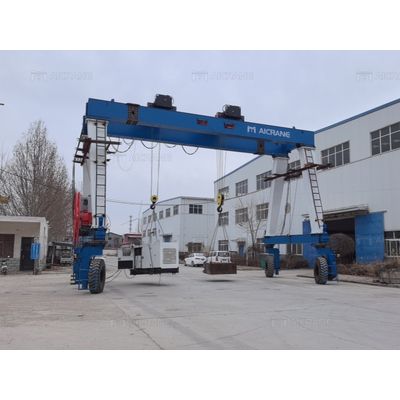
In the intricate dance of global trade, efficiency and speed are paramount. At the heart of modern port operations, rubber tyred gantry cranes (RTGs) stand as towering sentinels, facilitating the smooth flow of containers from ships to land and vice versa. With their versatility, agility, and technological prowess, RTGs play a pivotal role in shaping the landscape of maritime logistics. This article delves into the multifaceted role of rubber tyred gantry cranes and their transformative impact on port operations worldwide.
Enhancing Container Handling Efficiency
The primary function of rubber tyred gantry cranes is to handle containers with precision and efficiency. Unlike their traditional counterparts, RTGs are equipped with rubber tires, allowing them to move swiftly along the terminal's paved surfaces. This mobility enables them to position themselves precisely for container lifting and stacking, minimizing handling time and maximizing throughput.
Versatility in Operation
One of the defining characteristics of RTGs is their versatility. These cranes can navigate through tight spaces within container yards, maneuvering between stacks with ease. This agility is particularly advantageous in congested terminals where space is at a premium. Furthermore, RTGs can operate in various weather conditions, ensuring uninterrupted port operations even during inclement weather.
Automation and Technological Advancements
In recent years, automation has revolutionized the way ports operate, and RTGs have not been left behind. Advanced RTG systems are equipped with state-of-the-art automation technology, allowing for remote operation and autonomous functionality. These innovations reduce the need for human intervention, enhance safety, and optimize productivity.
Environmental Sustainability
In an era marked by increasing environmental awareness, the role of RTGs extends beyond operational efficiency to environmental sustainability. Many modern RTGs(Козловой кран 100 тонн) are equipped with eco-friendly features such as electric power options and regenerative braking systems. By minimizing fuel consumption and emissions, these environmentally conscious cranes contribute to reducing the carbon footprint of port operations.
Integration with Port Management Systems
RTGs are integral components of port management systems, seamlessly integrated into the broader network of terminal operations. Through sophisticated software solutions, RTGs are coordinated with other equipment and resources within the terminal, ensuring synchronized workflow and efficient resource allocation. This integration optimizes terminal performance, reduces congestion, and enhances overall productivity.
Challenges and Future Outlook
Despite their numerous benefits, RTGs face challenges, including maintenance requirements, initial investment costs, and evolving regulatory standards. However, ongoing advancements in technology and engineering are addressing these challenges, making RTGs more reliable, cost-effective, and environmentally sustainable.
Looking ahead, the role of rubber tyred gantry cranes in port operations is poised to expand further. With the advent of 5G connectivity, artificial intelligence, and data analytics, RTGs will become even smarter and more efficient. Additionally, the adoption of alternative fuels and renewable energy sources will further enhance the environmental sustainability of RTG operations.
In conclusion, rubber tyred gantry cranes play a vital role in modernizing port operations, enabling faster, more efficient, and environmentally conscious container handling. As global trade continues to grow and evolve, the importance of RTGs in shaping the future of maritime logistics cannot be overstated. With their versatility, technological advancements, and commitment to sustainability, RTGs are set to remain indispensable assets in the ever-expanding world of global trade.