


- Home
- Companies
- Aimix Group Co., Ltd
- Articles
- Tips for Calculating Structural Steel ...
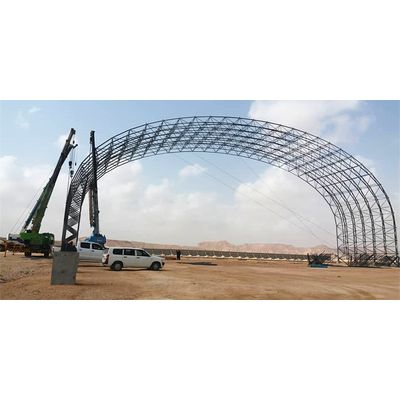
Tips for Calculating Structural Steel Cost per Ton Installed
Calculating the cost of structural steel per ton installed is a crucial step in estimating the total expenses of a construction project. Structural steel is widely used in the construction of buildings, bridges, and other large-scale structures due to its strength, durability, and versatility. However, understanding the full cost of structural steel, including material, fabrication, and installation, is essential for accurate budgeting and cost management. This passage will discuss various factors that influence the structural steel cost per ton installed and offer tips on how to calculate this cost effectively.
Understand the Breakdown of Structural Steel Costs
The cost of structural steel per ton installed typically includes several components: the material cost, fabrication cost, transportation cost, and installation cost. Each of these factors contributes to the overall cost and can vary depending on project specifics, geographical location, and market conditions.
Material Cost: This is the base cost of the steel itself, which is determined by factors such as the grade of steel (e.g., carbon steel, stainless steel) and the current market price of steel. Prices fluctuate based on supply and demand, production costs, and global market trends.
Fabrication Cost: Steel fabrication includes cutting, welding, shaping, and assembling the steel components according to the project’s design specifications. Fabrication costs depend on the complexity of the design, labor rates, and the equipment required for processing.
Transportation Cost: Once the steel is fabricated, it needs to be transported to the construction site. Transportation costs can vary depending on the distance from the fabrication shop, logistics considerations, and any special handling requirements for oversized components.
Installation Cost: This involves the labor and equipment necessary to install the steel on-site. The complexity of the installation, site accessibility, and the size of the steel components will all impact the installation cost. Specialized equipment such as cranes may be required for lifting and positioning heavy steel beams or columns.
Assess Project Specifications
To accurately calculate the cost of structural steel per ton installed, it is essential to assess the specific requirements of the project. Consider the following factors that can influence the cost:
Design Complexity: The more complex the design, the higher the fabrication cost. For example, intricate geometries or custom steel shapes may require additional time and precision in fabrication, thus increasing the overall cost.
Steel Grade and Quality: The grade of steel used in the project will also affect the material cost. Higher-grade steel alloys or specialized types of steel, such as weathering steel or high-strength low-alloy steel, may come at a premium price compared to standard carbon steel.
Project Location: Costs can vary depending on the location of the construction site. Remote locations may incur higher transportation and logistical costs, while urban areas with readily available supply chains may reduce transportation expenses. Local labor rates can also influence the installation cost.
Quantity of Steel: The overall quantity of steel required for the project will affect the cost per ton installed. Generally, large projects benefit from economies of scale, meaning that the cost per ton may decrease as the quantity increases. However, smaller projects may have a higher cost per ton due to limited procurement and fabrication runs.
Research Steel Prices and Market Trends
To calculate the material cost of structural steel, it’s important to stay informed about current steel prices. Steel prices are subject to fluctuations based on global supply and demand, raw material costs, and economic conditions. Use reliable sources such as steel suppliers, industry reports, and trade publications to gather up-to-date information on the prevailing price per ton for the specific type of steel you plan to use. Additionally, consider any long-term price trends, as steel prices tend to rise and fall based on market cycles. Understanding these fluctuations can help you predict price changes and budget more accurately.
Factor in Fabrication Costs
Fabrication costs are typically calculated based on labor hours and the complexity of the steel components. Factors such as cutting, welding, and assembly play a role in determining the total fabrication cost. To calculate this cost:
Determine the labor rate: Labor rates vary based on the region and the complexity of the work involved. In general, labor costs in urban areas are higher than in rural areas due to the cost of living.
Estimate fabrication hours: The number of hours required for fabrication depends on the complexity of the design and the size of the steel components. For example, a project requiring custom steel shapes or intricate welding will take longer to fabricate than one with standard steel profiles.
Add overhead costs: In addition to direct labor costs, fabrication shops often have overhead expenses such as equipment maintenance, energy costs, and administrative expenses. These should be factored into the overall fabrication cost.
Account for Transportation and Delivery Costs
Once the steel has been fabricated, it must be delivered to the construction site. Transportation costs can be calculated by considering:
Distance to the site: The farther the steel has to be transported, the higher the cost. If the construction site is located in a remote area, transportation costs may be significantly higher. Additionally, special delivery considerations such as oversized steel components may require additional logistics arrangements and incur extra charges.
Handling and delivery fees: Some transportation costs may include handling fees for unloading and storing steel at the site, which can add to the overall cost.
Calculate Installation Costs
Installation costs for structural steel depend on the size, complexity, and site accessibility of the project. To calculate installation costs:
Labor Costs: The labor required to install steel involves crane operators, riggers, and construction workers. Labor rates vary depending on the project location, so it is important to consider the specific rates in the area.
Equipment Costs: The use of cranes, lifts, or other machinery to position and install the steel will impact costs. Depending on the size and weight of the steel, specialized equipment may be required, adding to the total cost.
Site Conditions: The complexity of the installation process can also affect the cost. Projects in confined spaces or difficult-to-access locations may require additional time and effort to install steel, increasing the overall cost.
Calculate the Total Cost Per Ton Installed
Once all the individual costs have been determined, the next step is to calculate the total cost per ton installed. This can be done by adding the material cost, fabrication cost, transportation cost, and installation cost, and then dividing the total by the number of tons of steel used in the project. The formula for this is:
\[
\text{Structural Steel Cost per Ton Installed} = \frac{\text{Material Cost} + \text{Fabrication Cost} + \text{Transportation Cost} + \text{Installation Cost}}{\text{Total Tons of Steel}}
\]
Consider Additional Costs
Finally, be sure to account for any additional costs that may impact the total cost per ton installed. These may include:
Inspection and Testing Costs: Structural steel often requires inspection and testing to meet safety and quality standards. These costs should be factored into the overall price.
Contingency Costs: Unexpected issues such as delays, equipment breakdowns, or changes to the design can lead to additional costs. Having a contingency budget can help cover these unforeseen expenses.
Calculating the structural steel cost per ton installed is an essential aspect of project budgeting and cost estimation. By understanding the various factors that contribute to the cost, including material, fabrication, transportation, and installation costs, you can more accurately estimate the expenses involved in a construction project. Staying informed about market trends, assessing project requirements, and using detailed calculations will help ensure that your project stays on budget and is completed successfully.