

- Home
- Companies
- Aimix Group Co., Ltd
- Articles
- Tips for Fixing a Gantry Container
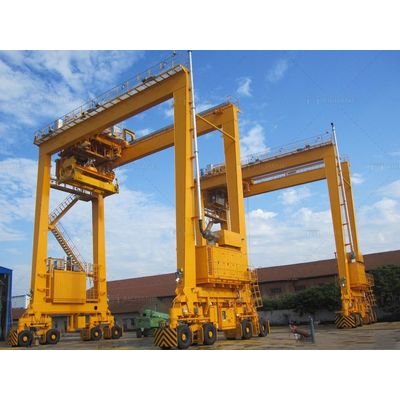
Tips for Fixing a Gantry Container
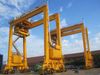
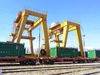
Fixing a gantry container involves a systematic approach that addresses mechanical, electrical, and structural issues to ensure optimal performance and safety. Gantry containers, also known as container gantry cranes, are essential equipment in ports, terminals, and logistics centers for handling shipping containers efficiently. Here's a comprehensive guide on how to fix a gantry container:
Diagnostic Assessment
Begin by conducting a thorough diagnostic assessment of the gantry container to identify any mechanical, electrical, or structural issues. Inspect key components such as the gantry frame, trolley, hoisting mechanisms, cables, motors, brakes, control systems, and safety devices. Look for signs of wear, damage, misalignment, corrosion, loose connections, or malfunctioning parts.
Safety Precautions
Before starting any repair work, prioritize safety by following established safety protocols, wearing appropriate personal protective equipment (PPE), and ensuring that the gantry container is securely immobilized and powered off. Lockout/tagout procedures should be implemented to prevent accidental startup or movement during maintenance activities.
Mechanical Repairs
Address mechanical issues by repairing or replacing damaged or worn-out components. This may include repairing structural welds, replacing worn bearings, bushings, and gears, lubricating moving parts, adjusting tension on cables and ropes, and checking alignment of rails and tracks. Ensure that all mechanical components are in good working condition to prevent operational issues and downtime.
Electrical Troubleshooting
If the gantry container has electrical issues, conduct troubleshooting to identify the root cause. Inspect electrical wiring, connections, fuses, circuit breakers, switches, relays, sensors, and control panels for signs of damage, corrosion, or loose connections. Use multimeters, continuity testers, and diagnostic tools to pinpoint electrical faults and make necessary repairs or replacements.
Control System Calibration
Calibrate the gantry container's control system to ensure accurate operation and responsiveness. Check calibration settings for speed, acceleration, deceleration, load limits, safety interlocks, and emergency stop functions. Verify the functionality of control buttons, joysticks, touchscreens, and remote control devices. Update firmware or software as needed for compatibility and performance enhancements.
Structural Integrity Checks
Inspect the gantry container's structural integrity, including beams, columns, braces, trusses, and connections. Look for signs of cracks, corrosion, fatigue, or deformation that could compromise structural stability or load-bearing capacity. Conduct non-destructive testing (NDT) if necessary to assess weld quality and structural soundness.
Hoisting Mechanism Maintenance
Focus on the gantry container's hoisting mechanism, including the hoist drum, wire ropes, sheaves, hooks, and lifting devices. Inspect wire ropes for wear, abrasion, kinks, and broken strands. Lubricate sheaves, bearings, and pulleys to reduce friction and ensure smooth operation. Check load-bearing components for proper alignment and secure attachment.
Safety Device Testing
Test and verify the functionality of safety devices and systems installed on the gantry container. This includes limit switches, overload protection devices, emergency stop buttons, anti-collision systems, warning alarms, and safety barriers. Ensure that these safety features are operational and compliant with industry standards and regulatory requirements.
Documentation and Record-Keeping
Maintain comprehensive documentation and records of all repairs, maintenance activities, inspections, and testing performed on the gantry container. Keep detailed logs of parts replaced, repairs conducted, calibration settings, electrical diagrams, and safety assessments. This information is valuable for tracking maintenance history, identifying recurring issues, and planning future maintenance schedules.
Functional Testing and Commissioning
After completing repairs and maintenance tasks, conduct functional testing and commissioning of the gantry container to validate its operational readiness and performance. Test all operational modes, functions, speeds, and load capacities under controlled conditions. Conduct load testing with simulated loads to verify hoisting capacity and stability.
Training and Operator Certification
Provide training and certification programs for gantry container operators and maintenance personnel to ensure proper handling, operation, and safety awareness. Train operators on equipment controls, emergency procedures, load handling techniques, and preventive maintenance practices. Regular refresher training and competency assessments should be conducted to maintain operational proficiency.
By following these steps and best practices for fixing a gantry container, operators and maintenance teams can effectively address mechanical, electrical, and structural issues, ensuring optimal performance, safety, and reliability of the equipment. Regular maintenance, proactive inspections, and adherence to safety standards are essential for maximizing the lifespan and functionality of gantry containers in port and terminal operations.