


Tips for Installing Slipway Winch with Airbags
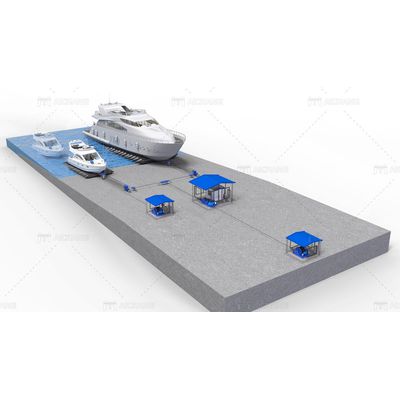
Installing a slipway winch with airbags requires careful planning, precise execution, and adherence to safety protocols to ensure the efficient and safe operation of the winch system. Slipway winches are essential equipment used in marine and shipyard operations for launching and retrieving vessels, and integrating airbags into the installation process can enhance the efficiency and effectiveness of the winch system. In this comprehensive guide, we will outline the steps involved in installing a slipway winch with airbags.
Planning and Preparation
Before starting the installation process, conduct a detailed assessment of the slipway area, winch requirements, and airbag specifications. Determine the appropriate size and capacity of the slipway winch based on the vessels to be handled and the operational environment. Select airbags that are compatible with the winch system and suitable for supporting the weight and size of the vessels.
Site Survey and Preparation
Conduct a site survey of the slipway area to identify the optimal location for installing the winch and airbags. Clear the area of any obstacles, debris, or obstructions that may interfere with the installation process. Ensure that the slipway surface is level, stable, and capable of supporting the weight of the winch, airbags, and vessels during launch and retrieval operations.
Winch Installation
Begin by installing the slipway winch according to manufacturer guidelines and engineering specifications. Position the winch securely on a stable foundation or mounting platform that can withstand the winch's weight and operational forces. Use appropriate anchoring methods, bolts, and fasteners to secure the winch in place. Align the winch drum and cable or rope properly for smooth and efficient operation.
Airbag Placement and Attachment
Position the airbags along the sides of the slipway in strategic locations to support the vessels during launch and retrieval. Ensure that the airbags are evenly spaced, properly inflated, and securely anchored to prevent shifting or movement during operations. Use strong ropes, straps, or chains to attach the airbags to fixed structures or anchor points along the slipway.
Airbag Inflation and Testing
Inflate the airbags to the recommended pressure levels using appropriate inflation equipment and techniques. Verify that all airbags are fully inflated, evenly pressurized, and free from leaks or damage. Conduct thorough testing of the airbag system to ensure its reliability and effectiveness in supporting the vessels during launch and retrieval processes.
Integration with Winch Controls
Integrate the airbag system with the winch controls and operating mechanisms for seamless coordination during vessel handling operations. Ensure that the winch operator can monitor and control the airbag inflation, deflation, and pressure adjustments as needed. Implement safety interlocks, sensors, and alarms to alert operators of any issues or abnormalities with the airbag system.
Safety Measures and Protocols
Prioritize safety during the installation and operation of the slipway winch with airbags. Provide adequate training to winch operators and personnel involved in handling vessels on the slipway. Establish safety protocols, emergency procedures, and risk mitigation strategies for handling potential hazards such as airbag failures, vessel slippage, or operational errors.
Regular Maintenance and Inspections
Implement a regular maintenance schedule for the slipway winch, airbags, and associated equipment to ensure optimal performance and longevity. Conduct periodic inspections, lubrication, and testing of the winch, airbag inflation systems, ropes, and attachments. Replace worn-out components, seals, or damaged parts promptly to prevent accidents or equipment failures.
Operator Training and Familiarization
Train winch operators and personnel on the proper use, maintenance, and safety procedures related to the slipway winch with airbags. Familiarize operators with the airbag system controls, inflation procedures, pressure monitoring, and emergency shutdown protocols. Encourage regular communication and feedback to improve operational efficiency and safety awareness.
Continuous Improvement and Optimization
Continuously evaluate the performance of the slipway winch with airbags and seek opportunities for optimization and improvement. Monitor operational metrics, such as launch and retrieval times, vessel handling efficiency, and airbag effectiveness. Implement feedback mechanisms, lessons learned, and best practices to enhance system reliability, safety, and productivity over time.
In conclusion, installing a slipway winch with airbags requires meticulous planning, precise execution, and adherence to safety protocols to ensure successful vessel handling operations. By following these steps and best practices, you can integrate airbags effectively into the slipway winch system, enhance operational efficiency, and promote a safe working environment for marine and shipyard activities.