


- Home
- Companies
- Aimix Group Co., Ltd
- Articles
- Tips for Operating a 40 Ton Bridge ...


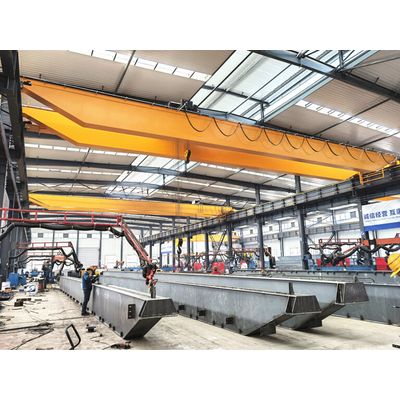
Tips for Operating a 40 Ton Bridge Crane
Operating a 40 ton bridge crane requires precision, skill, and a thorough understanding of safety protocols. As one of the most powerful lifting devices in industrial settings, a bridge crane plays a critical role in material handling and production processes. Whether you're a seasoned crane operator or just starting out, mastering the operation of a 40 ton bridge crane is essential for ensuring efficiency, safety, and productivity. In this guide, we'll explore essential tips for operating a 40 ton bridge crane effectively.
Prioritize Safety Above All Else
Safety should always be the top priority when operating a 40 ton bridge crane. Before starting any operation, conduct a thorough inspection of the crane to ensure it's in optimal working condition. Check for any signs of wear and tear, loose bolts, hydraulic leaks, or electrical issues. Ensure that all safety devices, such as limit switches, emergency stop buttons, and overload protection systems, are functioning correctly.
Familiarize yourself with the crane's load capacity and operating limitations. Never attempt to lift loads beyond the crane's rated capacity, as this can lead to catastrophic failure and endanger the lives of workers on-site. Always use the appropriate rigging equipment and lifting accessories, and secure the load properly before hoisting.
Establish clear communication protocols with your team members and signal persons to ensure safe crane operations. Use standardized hand signals or two-way radios to communicate effectively, especially when working in noisy or high-risk environments. By prioritizing safety at all times, you can minimize the risk of accidents and ensure a secure working environment for everyone involved.
Conduct Thorough Pre-Operational Checks
Before operating a 40 ton bridge crane, it's essential to conduct comprehensive pre-operational checks to verify that all components are functioning correctly. Start by inspecting the crane's structural integrity, including the bridge structure, hoist trolley, and end trucks. Look for any signs of damage, corrosion, or deformation that could compromise the crane's stability.
Next, inspect the crane's electrical system, including the power supply, control panel, and wiring. Test all controls, including hoisting, lowering, trolley movement, and bridge travel functions, to ensure smooth and precise operation. Verify that the emergency stop buttons and other safety devices are in working order.
Inspect the hoist mechanism, including the wire rope or chain, hooks, and lifting attachments, for any signs of wear or damage. Ensure that the load block and hook are properly aligned and seated before lifting any loads.
By performing thorough pre-operational checks, you can identify and address any potential issues before they escalate into safety hazards, ensuring smooth and trouble-free crane operation.
Understand Load Dynamics
Operating a 40 ton bridge crane requires a deep understanding of load dynamics and how different factors can affect the crane's stability and performance. Factors such as load weight, center of gravity, and sling angles can significantly impact the crane's lifting capacity and maneuverability.
Before lifting any load, assess its weight, dimensions, and center of gravity to determine the most suitable lifting configuration. Use the appropriate lifting accessories, such as slings, shackles, and spreader bars, to secure the load evenly and prevent shifting during hoisting.
Be mindful of the crane's load chart and operating limitations, and never exceed the crane's rated capacity or allowable load angles. Avoid sudden starts or stops during lifting operations, as this can cause the load to swing or destabilize.
Additionally, be aware of environmental factors such as wind, temperature, and visibility, which can affect the crane's stability and safety. Adjust your operating techniques accordingly to compensate for these factors and ensure safe crane operations.
Practice Smooth and Controlled Operation
Operating a 40 ton bridge crane requires smooth and controlled movements to ensure safety and precision during lifting operations. Avoid jerky or abrupt movements, especially when starting or stopping the crane or when positioning the load.
Use the crane's controls with finesse, applying gradual acceleration and deceleration to maintain control over the load. Be mindful of the crane's speed and responsiveness, and adjust your operating techniques accordingly to ensure smooth and precise movements.
Coordinate your actions with other operators and ground personnel to ensure safe and efficient crane operations. Communicate clearly and effectively using standardized hand signals or two-way radios, and always be aware of your surroundings to avoid collisions or accidents.
Practice situational awareness at all times, anticipating potential hazards and taking proactive measures to mitigate risks. Keep a safe distance from overhead obstructions, power lines, and other obstacles that could pose a danger to the crane and its load.
By practicing smooth and controlled operation, you can minimize the risk of accidents and injuries while maximizing productivity and efficiency on the job site.
Invest in Ongoing Training and Education
Continuous training and education are essential for improving your skills and proficiency as a 40 ton bridge crane operator. Seek out accredited training programs and certification courses to enhance your knowledge of crane operation techniques, safety procedures, and regulatory requirements.
Stay informed about relevant industry standards and best practices issued by organizations such as OSHA (Occupational Safety and Health Administration) or ANSI (American National Standards Institute). Attend workshops, seminars, and conferences to stay up-to-date with the latest developments in crane technology and safety.
Take advantage of simulator training and virtual reality simulations to practice crane operation in realistic scenarios without exposing yourself to actual risks. These advanced training methods can help improve your decision-making skills, spatial awareness, and ability to handle challenging situations effectively.
Additionally, seek feedback from experienced crane operators and mentors to identify areas for improvement and refine your techniques over time. By investing in ongoing training and education, you can enhance your proficiency as a 40 ton bridge crane operator and contribute to a safer and more productive work environment for yourself and your team.
In conclusion, operating a 40 ton bridge crane requires skill, precision, and a commitment to safety. By prioritizing safety, conducting thorough pre-operational checks, understanding load dynamics, practicing smooth and controlled operation, and investing in ongoing training and education, you can master the operation of a 40 ton bridge crane and ensure safe and efficient lifting operations on the job site.