


Top 21 AI Tools for Manufacturing Quality Leaders in 2026
Planning to invest in AI but not sure where to begin? You’re not alone. Artificial intelligence is rapidly transforming modern quality management – reducing errors, improving reliability, increasing efficiency and productivity, and accelerating regulatory compliance.
Industry reports estimate that up to 95% of manufacturers plan to invest in AI or machine learning within the next five years. The challenge for quality leaders is no longer whether to adopt AI, but where to start and which tools will deliver meaningful return on investment.
Below is a curated round-up of AI tools that have demonstrated proven value across a wide range of manufacturing and enterprise quality environments.
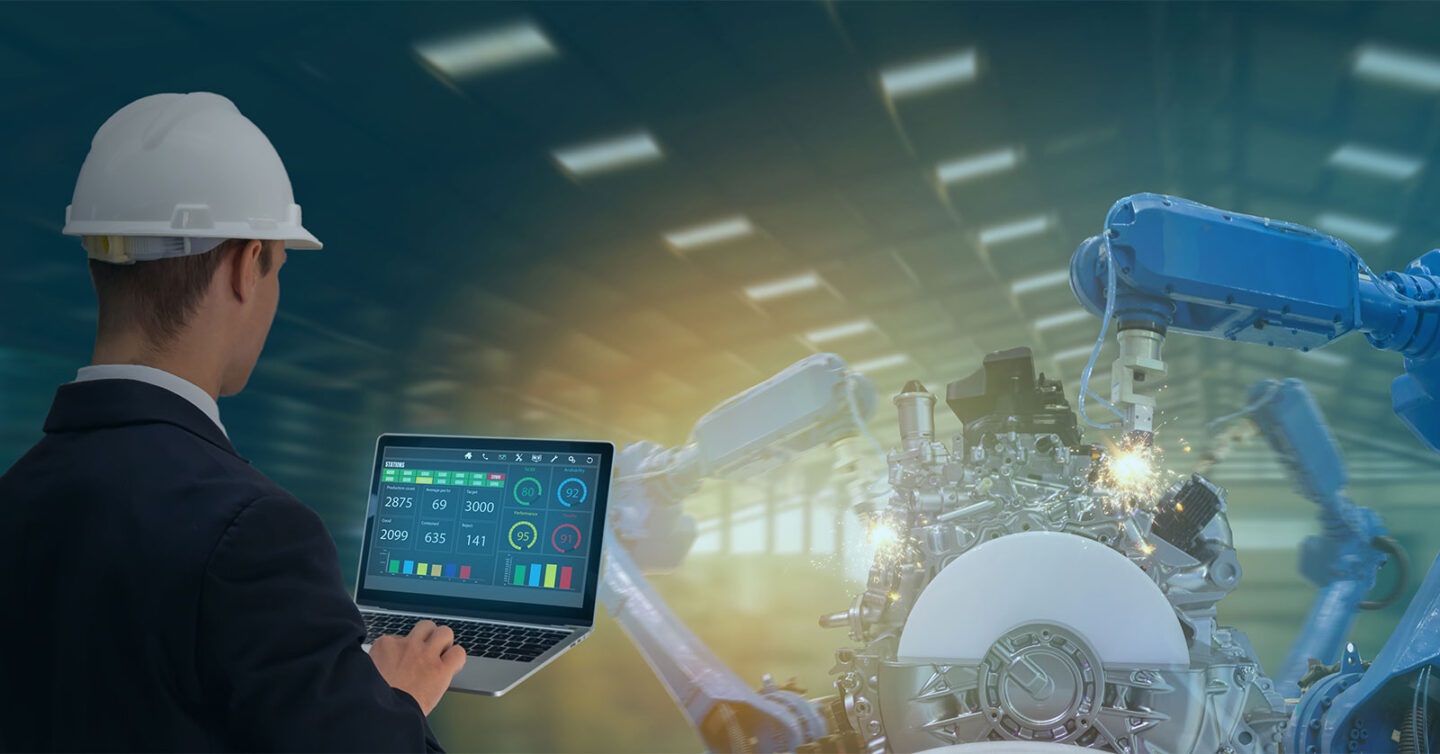
AI enables real-time monitoring and analysis of complex manufacturing data, identifying patterns, emerging risks, and potential failures before they escalate. This shifts quality management from a reactive model to one that is predictive and proactive.
With AI-driven insights, manufacturing quality leaders can make faster, better-informed decisions – saving time, reducing waste, and optimizing resources.
Common uses of AI in quality management in 2026 include:
- predictive risk and nonconformance analysis
- autonomous quality agents that support smooth workflows
- automated inspections and visual quality control
- intelligent, streamlined document management
- enhanced root cause analysis
- continuous quality monitoring and control
- automated auditing and regulatory compliance.
Leading AI tools for manufacturing quality control are helping organizations move away from labor-intensive, manual approaches toward advanced, data-driven quality systems.
Defect detection
These tools use high-resolution imaging and machine learning to automate visual inspection, identifying defects and anomalies that are often invisible to the human eye and difficult to detect consistently through manual inspection.
Process monitoring and analytics
Process monitoring and analytics tools continuously observe production workflows, analyze real-time operational data, and generate actionable insights that improve efficiency and product quality.
Predictive maintenance
Predictive maintenance tools use AI to anticipate equipment failures before they occur, helping manufacturers optimize maintenance schedules, reduce downtime, and extend asset life.
Factory floor digital assistants
AI-powered digital assistants act as copilots for frontline workers, enhancing human–AI collaboration by guiding tasks, supporting workflows, and improving productivity and consistency.
Simulation and digital twins
Simulation and digital twin platforms allow analysts, engineers, and managers to model, test, and optimize manufacturing systems and processes in virtual environments before making real-world changes.
The following tools are not manufacturing-specific platforms but can still deliver significant value for quality teams – particularly for documentation, analysis, and continuous improvement activities. Most offer free or low-cost tiers.
Additional niche tools include:
- SciNote Manuscript Writer (free for limited use): AI-assisted generation of quality documentation, validation summaries, and technical reports; designed for scientific and regulated environments.
- Neurala VIA Starter Kit (affordable for small to mid-sized manufacturers): AI-powered visual inspection solution compatible with a wide range of hardware.
Before investing in or integrating AI tools into your manufacturing operations or quality management system, consider the following structured approach:
- Identify and prioritize your organization’s key pain points (such as defects, unplanned downtime, or inconsistent processes).
- Run pilots with shortlisted tools to evaluate performance, usability, and ROI.
- Assess how each tool integrates with your existing systems and data architecture.
- Scale adoption based on demonstrated impact and business value.
Successful AI adoption depends on access to high-quality, standardized, and well-documented data. isoTracker’s digital QMS provides the structured, traceable, and compliant foundation that AI systems require to deliver reliable results.
isoTracker’s QMS supports AI-enabled manufacturing quality by:
- recording and structuring quality data (including deviations, complaints, audits, and supplier information)
- standardizing processes and workflows
- ensuring consistent terminology across the organization
- maintaining complete audit trails, version control, and training records
- enforcing data integrity and regulatory compliance.
With a mature QMS in place, manufacturers are better positioned to integrate AI tools effectively and at scale.
- isoTracker QMS – While not an AI tool itself, isoTracker provides the structured, compliant quality management foundation that enables AI systems to deliver reliable, auditable results in regulated manufacturing environments.
Contact us to learn more about implementing AI tools for manufacturing quality with isoTracker’s QMS, or sign up for a free 60-day trial.