



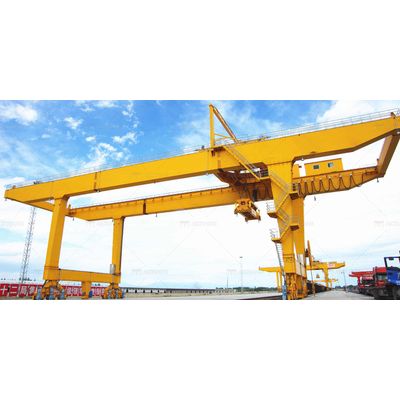
Transporting 50 Ton Gantry Crane
Transporting a 50 ton gantry crane is a complex logistical task that requires meticulous planning, specialized equipment, skilled personnel, and adherence to safety regulations. A gantry crane of this size and weight is commonly used in industrial settings, construction sites, shipyards, and manufacturing facilities for lifting and moving heavy loads. Transporting such a crane involves several stages, from preparation and disassembly to loading, transportation, and reassembly at the destination. Here's a comprehensive guide on how to transport a 50 ton gantry crane safely and efficiently:
Preparation and Assessment
Begin by conducting a thorough assessment of the gantry crane, including its dimensions, weight, structural integrity, operational condition, and components. Review the manufacturer's specifications, technical manuals, and assembly instructions to understand the crane's design, assembly process, and transportation requirements. Identify any potential challenges, obstacles, or restrictions that may affect the transportation process.
Site Preparation
Prepare the site for crane disassembly, ensuring sufficient space, clear access routes, and safety precautions. Clear the area of obstacles, debris, and hazards that may impede crane disassembly and loading. Set up temporary support structures, cranes, and lifting equipment for handling crane components during disassembly and transportation.
Disassembly of Crane Components
Disassemble the gantry crane into manageable components, including the bridge girder, end trucks, trolley, hoist assembly, runway beams, legs, and electrical components. Use appropriate tools, lifting equipment, and safety measures to safely remove and detach crane components without causing damage or injury. Label and organize disassembled components for efficient loading and transportation.
Loading and Securing Components
Use heavy-duty lifting equipment, such as cranes, forklifts, or hydraulic jacks, to load the disassembled crane components onto specialized transport vehicles or trailers. Securely fasten and brace each component to prevent shifting, vibration, or damage during transit. Use high-strength straps, chains, and tie-downs to secure the components in place and distribute the load evenly.
Transportation Logistics
Coordinate transportation logistics, including route planning, permits, clearances, escorts, and scheduling. Select appropriate transport vehicles, such as flatbed trucks, low-loaders, or specialized trailers, capable of handling the size, weight, and dimensions of the 50 ton gantry crane components. Obtain necessary permits and approvals for oversized or overweight cargo transportation, ensuring compliance with legal requirements.
Safety Measures and Regulations
Implement strict safety measures and adhere to transportation regulations and standards to ensure safe and compliant transport of the heavy duty gantry crane components. Follow guidelines for securing oversized loads, marking warning signs, using escort vehicles, and complying with traffic laws. Provide training and instructions to transport personnel on safe handling, loading, and unloading procedures.
Route Survey and Clearance Checks
Conduct a route survey and clearance checks along the planned transportation route to identify potential obstacles, height restrictions, bridge clearances, road conditions, and weight limits. Obtain necessary approvals, permits, and escorts for transporting oversized or heavy loads through restricted areas, bridges, tunnels, or highways. Plan alternative routes and contingencies for unexpected delays or detours.
Loading and Unloading Procedures
Use specialized loading and unloading equipment, such as cranes, ramps, and lifting devices, to safely load and unload gantry crane components from transport vehicles at the destination site. Follow proper lifting techniques, weight distribution principles, and safety protocols to prevent accidents, injuries, or damage during loading and unloading operations.
Reassembly and Testing
Reassemble the gantry crane components at the destination site according to the manufacturer's assembly instructions, engineering drawings, and safety guidelines. Ensure proper alignment, leveling, and connection of structural components, electrical wiring, control systems, and safety features. Conduct comprehensive testing, inspections, and functional checks to verify the crane's performance, alignment, and safety before operation.
Operational Training and Commissioning
Provide operational training and commissioning services to crane operators, maintenance personnel, and site staff to familiarize them with the reassembled gantry crane, its controls, safety features, maintenance procedures, and operational protocols. Conduct trial runs, load tests, and performance evaluations to validate the crane's functionality, reliability, and safety in real-world operating conditions.
Documentation and Recordkeeping
Maintain detailed documentation and records of the transportation process, including route surveys, permits, clearances, loading plans, safety assessments, assembly procedures, testing reports, training sessions, and commissioning activities. Keep records of maintenance schedules, inspections, repairs, and operational logs for regulatory compliance, warranty support, and future reference.
Transporting a 50 ton gantry crane requires careful planning, coordination, and execution to ensure the safety of personnel, equipment, and cargo. By following these guidelines and best practices, you can successfully transport a gantry crane to its destination site and reassemble it for operational use in industrial, construction, or manufacturing applications.