

- Home
- Companies
- Aimix Group Co., Ltd
- Articles
- Travel Lift Marine‑Grade Protective ...
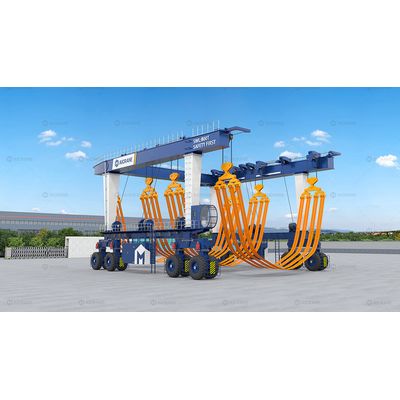
Travel Lift Marine‑Grade Protective Coatings for Long Service Life
Travel lifts are essential equipment in marine environments for lifting and transporting boats, yachts, and vessels of all sizes within shipyards, marinas, boatyards, and docks. These machines operate in some of the harshest conditions where saltwater, humidity, sunlight, wind, mechanical wear, and chemical exposures can quickly degrade unprotected steel and metal components.
A key factor that determines how long a travel lift for boat remains dependable and cost‑effective is the quality and durability of its protective coatings. Marine‑grade protective coatings act as the first line of defense against rust, corrosion, abrasion, and environmental wear. The right coating system can dramatically improve service life, reduce maintenance costs, and protect the substantial investment owners make in travel lifts.
In this article, we will explore why protective coatings are critical for travel lifts, what makes marine‑grade coatings unique, different coating technologies, application practices, maintenance strategies, and how coatings contribute to long service life in marine environments.
Why Protective Coatings Matter for Travel Lifts
Travel lifts are steel‑intensive machines. From the main frame and legs to trolleys, lifting beams, slings, pins, and fasteners — most structural and moving parts are made of steel or steel alloys. Steel exposed to air, moisture, salt, and contaminants will eventually oxidize and rust unless protected.
In marine environments, corrosion accelerates due to:
- Saltwater exposure: Salt crystals hold moisture and increase conductivity, hastening corrosion on metal surfaces.
- High humidity: Moist air promotes oxidation even without direct water contact.
- UV radiation: Sunlight breaks down paints and coatings over time, reducing adhesion and effectiveness.
- Wind and mechanical wear: Abrasive particles, dust, and impact wear reduce coating thickness and integrity.
- Chemical exposure: Fuel, oil, solvents, and cleaning agents can degrade coatings if they lack sufficient chemical resistance.
Unprotected or poorly protected steel will suffer:
- Corrosion and rust scaling
- Pitting and loss of structural strength
- Increased maintenance costs
- Downtime for repair and repainting
- Shortened equipment life
Protective coatings help prevent these failures by creating a durable barrier between the metal surface and the environment.
What Makes Marine‑Grade Coatings Different
Marine‑grade protective coatings are specially engineered products designed to withstand the combined pressures of water, salt, UV exposure, and physical wear. They differ from general industrial paints in several key ways:
1. Enhanced Corrosion Resistance
Marine coatings contain corrosion inhibitors and formulations that resist rust formation even under salt spray conditions.
2. UV Stability
Exposure to sunlight can cause traditional paints to chalk, fade, and become brittle. Marine coatings include UV stabilizers that slow down degradation and maintain color and adhesion.
3. Chemical Resistance
Marine environments expose travel lifts to fuels, oils, lubricants, and cleaning agents. Marine coatings resist these chemicals so they do not soften, blister, or break down.
4. Flexibility and Adhesion
Travel lifts expand and contract slightly due to temperature changes and load stresses. Marine‑grade coatings retain flexibility and adhesion so they do not crack or peel.
5. Abrasion Protection
Moving parts, ground contact, and abrasive debris in marine yards can erode finishes. Marine coatings use tough binders and solids to resist wear.
Types of Marine‑Grade Protective Coating Systems
Choosing the right coating system depends on the application, exposure level, budget, and required service life. Below are the primary coating technologies used on travel lifts:
1. Epoxy Coatings
Epoxies are widely used as base coats because they offer excellent corrosion resistance and strong adhesion to steel. They cure to form a hard, densely cross‑linked film that resists moisture and solvents.
Pros: Excellent adhesion, strong corrosion protection, good chemical resistance.
Cons: Moderate UV resistance — typically requires a UV‑stable topcoat.
Epoxy primers are almost always the first layer in marine systems.
2. Polyurethane Coatings
Polyurethanes are often used as topcoats over epoxy primers. They offer superior color retention and UV resistance — important for preventing chalking, fading, and discoloration.
Pros: Excellent UV resistance, aesthetic finishes, abrasion resistance.
Cons: Slightly more expensive than basic paints.
Polyurethane topcoats protect the epoxy basecoat from sunlight and wear.
3. Zinc‑Rich Primers
Zinc‑rich primers provide cathodic protection, sacrificing zinc instead of the steel substrate. These coatings are frequently used on structural steel before applying epoxies and polyurethanes.
Pros: Active corrosion protection, ideal for saltwater environments.
Cons: Must be applied correctly to ensure effectiveness.
4. High‑Build Coating Systems
High‑build coating systems consist of a thick primer and multiple topcoat layers that create a robust barrier. These are common for equipment that sees heavy abrasion and prolonged exposure.
Pros: Maximum corrosion protection, excellent durability.
Cons: Higher material and application cost.
5. Powder Coatings
Powder coatings fuse polymer powders onto steel at high temperatures, creating a thick, uniform, and long‑lasting finish. While not always used in marine travel lifts due to size limitations, powder coats on lighter components (like wheel housings, lockers, cabinets) add extra durability.
Coating Application Best Practices
The best coating system can still fail if applied incorrectly. Applying protective coatings to travel lifts requires discipline, proper surface preparation, and skilled workmanship.
1. Surface Preparation is Critical
Coatings only protect steel if they bond well. Surface preparation standards include:
- Abrasive blasting (e.g., to SSPC‑SP10 / SA 2½ standard) to remove mill scale, rust, oils, and contaminants.
- Solvent cleaning to remove grease and lubricants.
- Profile creation — a roughened surface helps coatings anchor securely.
Failing to prepare properly can cause blistering, peeling, and premature failures.
2. Controlled Environment
Temperature, humidity, ventilation, and dust control affect how coatings cure and perform. Ideal application conditions help prevent:
Blushing
- Fish‑eyes
- Poor drying
- Incomplete adhesion
3. Correct Coating Thickness
Each coating has a specified thickness range. Measurements should be taken with dry film thickness (DFT) gauges to ensure full protection.
Thin coats reduce durability; excessively thick coats can cause cracking and slow curing.
4. Layer Compatibility
Not all primers and topcoats are compatible. Manufacturers provide datasheets detailing which products should be paired together to avoid intercoat delamination.
5. Professional Application
High‑quality application professionals or certified contractors offer better consistency and longer service life than rushed field painting.
Maintenance Strategies for Long Life
Even the best coatings wear over time. Regular inspection and touch‑up help prolong service life.
1. Scheduled Inspections
Travel lift operators should inspect coatings periodically, especially:
- Weld seams
- Corners and edges
- Areas near moving parts
- Surfaces near saltwater contact
Small rust spots should be repaired before they spread.
2. Touch‑Up Painting
Damaged areas should be:
- Cleaned
- Primed
- Repainted with compatible marine‑grade products
Prompt repairs prevent corrosion from undercutting intact coatings.
3. Pressure Washing and Cleaning
Salt and dirt deposits accelerate coating breakdown. Routine cleaning removes corrosive residues and keeps surfaces looking new.
4. Environmental Controls
Where possible, cover unused machines or store them under shelter to reduce UV exposure and moisture contact.
How Protective Coatings Extend Service Life
A marine hoist with high‑grade protective coatings is more than a cosmetic asset — it’s a structural investment in service longevity.
Reduced Corrosion and Rust
By sealing steel surfaces from salt and moisture, coatings prevent oxidation that would weaken metal over time.
Lower Maintenance Costs
Better coatings reduce the frequency and extent of repairs, repainting, and part replacements.
Higher Resale Value
Well‑maintained equipment with durable coatings retains value better than neglected counterparts.
Improved Safety
Rust and corrosion can lead to structural failures or unsafe connections. Protective coatings reduce the risk of unexpected breakdowns or accidents.
Less Downtime
Reduced need for routine repainting or major repairs keeps travel lift operations running smoothly.
Choosing the Right Coating System for Your Travel Lift
Selecting the ideal protective coating system involves considering:
- Marine exposure severity (saltwater spray vs. occasional contact)
- Budget
- Service life expectations
- Maintenance resources
- Manufacturer recommendations
Consulting with coating specialists and following manufacturer specifications ensures the best outcome.
Conclusion
Marine travel lifts operate in one of the most demanding environments for steel machinery. Without robust protective coatings, corrosion, UV degradation, abrasion, and chemical attack can cut service life dramatically and drive up maintenance costs.
Marine‑grade protective coatings — including zinc‑rich primers, epoxy basecoats, polyurethane topcoats, and high‑build systems — provide engineered defense against these challenges. When applied correctly and maintained consistently, these coatings deliver long service life, improved safety, and better return on investment.
Proper coating selection, surface preparation, skilled application, and ongoing maintenance are not optional — they are essential components of travel lift lifecycle management in marine environments.
By investing in quality coatings and upkeep, owners ensure their travel lifts stay dependable, safe, and productive for years to come — maximizing uptime and minimizing the hidden costs of corrosion.