


- Home
- Companies
- Soil Sensors & Weather Detectors for ...
- Articles
- Using Gas Sensors to Improve Indoor Air ...
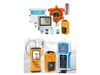
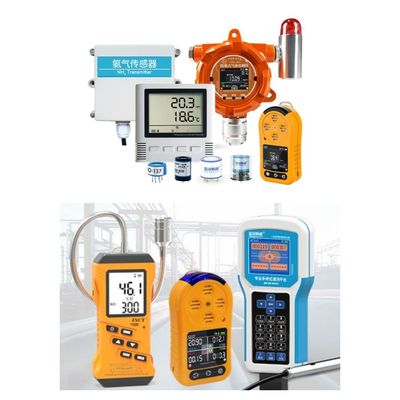
Using Gas Sensors to Improve Indoor Air Quality
Introduction Indoor air quality (IAQ) is a critical factor that affects our health and well-being. Poor IAQ can lead to a range of health issues, including respiratory problems, allergies, and even more serious conditions such as asthma and lung cancer. It is therefore essential to monitor and improve IAQ, especially in indoor environments where we spend a significant amount of time, such as homes, offices, schools, and hospitals. Gas sensors are an important tool in this effort, as they can detect and measure various pollutants and contaminants in the air, allowing for targeted interventions to improve IAQ.
Types of Gas Sensors Gas sensors come in various types, each designed to detect specific pollutants or contaminants in the air. Some of the most common types of gas sensors include:
Carbon Monoxide (CO) Sensors: CO is a colorless, odorless gas that is produced by the incomplete combustion of fuels such as gas, oil, and wood. CO sensors are crucial for detecting the presence of this deadly gas in indoor environments, as high levels of CO can be fatal.
Volatile Organic Compounds (VOC) Sensors: VOCs are a group of chemicals that are emitted as gases from various products and materials, such as paints, cleaning agents, and building materials. VOC sensors can detect the presence of these harmful chemicals in the air, which can cause respiratory irritation and other health problems.
Nitrogen Dioxide (NO2) Sensors: NO2 is a toxic gas that is produced by the combustion of fossil fuels, such as in vehicles and heating systems. NO2 sensors can monitor the levels of this pollutant in indoor environments, helping to reduce the risk of respiratory issues and other health problems.
Ozone (O3) Sensors: Ozone is a highly reactive gas that can cause respiratory problems and exacerbate existing lung conditions. Ozone sensors can detect the presence of this harmful gas in indoor environments, allowing for targeted interventions to reduce exposure.
Particulate Matter (PM) Sensors: PM sensors can detect and measure the levels of fine particles and dust in the air, which can cause respiratory problems and other health issues when inhaled.
Benefits of Using Gas Sensors Gas sensors offer several benefits for improving IAQ:
Early Detection of Pollutants: Gas sensors can detect the presence of pollutants and contaminants in the air at an early stage, allowing for prompt interventions to improve IAQ.
Real-time Monitoring: Gas sensors provide real-time data on the levels of pollutants in the air, allowing for continuous monitoring and adjustment of IAQ measures.
Targeted Interventions: Gas sensors allow for targeted interventions to address specific pollutants and contaminants in the air, leading to more effective improvements in IAQ.
Compliance with Regulations: Gas sensors can help ensure compliance with IAQ regulations and standards, which are in place to protect public health and safety.
Applications of Gas Sensors Gas sensors have a wide range of applications for improving IAQ in various indoor environments:
Homes: Gas sensors can be used in homes to monitor and improve IAQ, especially in areas where there is a high risk of pollutants, such as kitchens and garages.
Offices: Gas sensors can help maintain healthy IAQ in office buildings, where large numbers of people spend a significant amount of time each day.
Schools: Gas sensors can be used in schools to monitor IAQ and protect the health of students and staff.
Hospitals: Gas sensors are essential in hospitals to ensure that IAQ meets the highest standards, as patients with compromised immune systems are particularly vulnerable to pollutants and contaminants in the air.
Industrial Facilities: Gas sensors are crucial in industrial facilities to monitor and control IAQ, as these environments often have high levels of pollutants and contaminants.
Challenges and Considerations While gas sensors offer many benefits for improving IAQ, there are also some challenges and considerations to be aware of:
Calibration and Maintenance: Gas sensors require regular calibration and maintenance to ensure accurate and reliable measurements, which can be time-consuming and costly.
Cost: Gas sensors can be expensive to purchase and install, especially for larger indoor environments.
Sensor Drift: Gas sensors can experience drift over time, leading to inaccuracies in measurements, which can affect the effectiveness of IAQ interventions.
False Alarms: Gas sensors may produce false alarms if not properly calibrated and maintained, leading to unnecessary interventions and disruptions.
Conclusion Gas sensors are a valuable tool for improving IAQ in indoor environments, allowing for the early detection and targeted interventions to reduce the levels of pollutants and contaminants in the air. While there are challenges and considerations to be aware of, the benefits of using gas sensors for IAQ improvement far outweigh the drawbacks. With the continued development of sensor technology and the increasing awareness of the importance of IAQ, gas sensors will play an increasingly important role in ensuring healthy indoor environments for everyone.