


- Home
- Companies
- Xingaonai Heavy Industry Group Co., ...
- Articles
- Vibrating Feeder Screen: Efficient ...
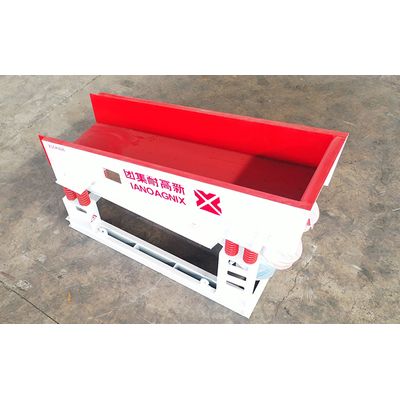
Vibrating Feeder Screen: Efficient Feeding and Screening Solution for Material Processing
In modern mining and aggregate processing plants, efficient material handling is essential for maintaining stable production. One piece of equipment that plays a critical role in this process is the vibrating feeder screen. This machine combines feeding and screening functions, allowing operators to control the flow of materials while removing fine particles before they enter the primary crusher.
Because of its versatility and efficiency, the vibrating feeder screen is widely used in industries such as mining, quarrying, construction, and mineral processing.
What Is a Vibrating Feeder Screen?
A vibrating feeder screen is a type of mechanical equipment designed to feed bulk materials into crushers, conveyors, or other processing machines while simultaneously performing a screening function. The equipment uses controlled vibration to move materials along a feeding tray or deck.
As the material travels forward, smaller particles fall through the screen openings while larger materials continue moving toward the discharge end. This dual function helps improve the overall efficiency of the production line.
Compared with conventional feeders, a vibrating feeder screen can reduce unnecessary crushing by separating fine materials before they reach the crusher.
Working Principle of a Vibrating Feeder Screen
The vibrating feeder screen operates using a vibration motor or an exciter that generates periodic vibration forces. These vibrations cause the feeder tray and screen deck to move in a controlled oscillating motion.
When bulk material is loaded onto the feeder, the vibration lifts and moves the material forward in small steps. During this process, fine particles pass through the screen mesh while larger pieces continue moving along the deck.
This screening and feeding process ensures that only the appropriate material size enters the crusher. As a result, the vibrating feeder screen improves crushing efficiency and reduces wear on downstream equipment.
Main Components of a Vibrating Feeder Screen
A typical vibrating feeder screen consists of several key components that work together to ensure efficient operation.
Feeding Tray or Deck
The feeding tray is the main surface where materials are transported. It is usually made from wear-resistant steel to handle abrasive materials such as granite or basalt.
Screen Section
The screen section contains perforated plates or mesh panels that allow smaller particles to pass through while larger materials move forward.
Vibration Motor or Exciter
The vibration motor generates the oscillating motion that drives the feeding and screening process.
Support Springs
Support springs absorb part of the vibration and maintain stability during operation.
Frame Structure
The frame provides structural support and ensures that the machine remains stable even under heavy loads.
Each of these components plays an important role in maintaining the efficiency of the vibrating feeder screen.
Advantages of Using a Vibrating Feeder Screen
There are several advantages to using a vibrating feeder screen in industrial material processing systems.
Improved Crushing Efficiency
By removing fine materials before they enter the crusher, the machine reduces unnecessary crushing work and increases overall system efficiency.
Stable Material Feeding
A vibrating feeder screen provides consistent and controlled material flow, which helps prevent overloading of downstream equipment.
Reduced Equipment Wear
Pre-screening removes smaller particles that do not require crushing, reducing wear on crusher components.
High Reliability
The simple mechanical design ensures reliable operation with relatively low maintenance requirements.
Because of these benefits, the vibrating feeder screen has become an essential component in many modern crushing plants.
Industrial Applications
The vibrating feeder screen is widely used across different industries.
In mining operations, it is commonly installed before primary crushers to separate fine materials from mined ore. In quarrying and aggregate production, the equipment handles materials such as limestone, granite, and basalt.
Construction and recycling plants also use vibrating feeder screen systems to process materials such as concrete and asphalt debris.
By improving material flow and screening efficiency, this equipment helps optimize the performance of the entire production line.
Maintenance and Operation Tips
Proper maintenance is important for ensuring long-term performance of a vibrating feeder screen. Operators should regularly inspect the vibration motor, springs, and screen panels for signs of wear or damage.
Lubricating moving parts and checking fasteners can help prevent mechanical issues. In addition, maintaining proper feeding conditions ensures that the machine operates efficiently without excessive vibration or material buildup.
Routine maintenance not only improves reliability but also extends the service life of the equipment.
Conclusion
The vibrating feeder screen is a highly efficient piece of equipment that combines feeding and screening functions in one machine. By separating fine materials before crushing, it improves the efficiency of material processing systems and reduces wear on downstream equipment.
With its durable design, reliable performance, and wide range of industrial applications, the vibrating feeder screen continues to play an important role in modern mining, quarrying, and aggregate production operations.