

- Home
- Companies
- Proco Products, Inc.
- Articles
- Water Hammer 101: Understanding the ...
Water Hammer 101: Understanding the Threat to Processes & Facilities
How components from Proco Products can keep your system running smoothly
What is water hammer?
Water hammer, also known as hydraulic shock or valve slam, is a pressure surge or wave caused when a fluid in motion is forced to stop or change direction suddenly. This phenomenon commonly occurs in piping systems where the flow of a fluid is abruptly halted or redirected due to valve closure, pump start or stop, or sudden changes in flow velocity. When this happens, the kinetic energy of the moving fluid is converted into pressure energy, creating a shockwave that travels through the piping system.
Why is it harmful?
Water hammer can be harmful to industrial processes and facilities for several reasons:
- Equipment damage: The sudden increase in pressure caused by water hammer can exert significant stress on pipes, valves and other components of the system, leading to damage or even failure. This can result in costly repairs and downtime.
- Noise and vibration: Water hammer often produces loud banging noises and vibrations, which can be disruptive and potentially damaging to nearby equipment and structures.
- Reduced efficiency: The pressure surges caused by water hammer can disrupt the normal operation of equipment, leading to reduced efficiency and performance. This can affect processes that rely on precise control of fluid flow, such as water treatment plants or manufacturing facilities.
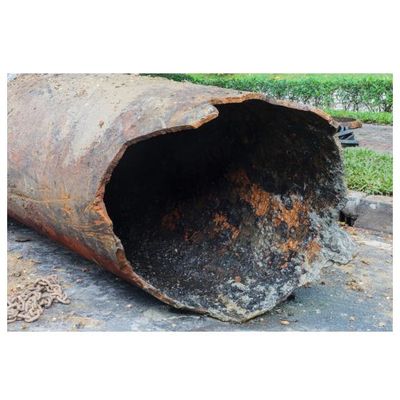
- Safety risks: In extreme cases, water hammer can pose safety risks to personnel and equipment. For example, sudden pressure surges can cause pipes to burst, releasing large amounts of pressurized fluid, leading to injuries or environmental damage.
To mitigate the effects of water hammer, engineers employ various techniques such as installing surge suppressors (also known as water hammer arrestors), using gradual valve closures, and designing piping systems with adequate flexibility and cushioning to absorb pressure fluctuations. Proper design, operation and maintenance of piping systems are essential to minimize the risks associated with water hammer