

What Are As-Built Drawings?
Did you know that up to 40% of construction projects experience delays due to inaccurate or missing documentation? As-built drawings play a crucial role in ensuring that the final constructed project matches the original design intent. Understanding the significance of accurate as-built drawings can lead to improved project efficiency, cost savings, and overall client satisfaction.
Key Takeaways
- Accuracy is Key: Ensuring precise and up-to-date information in construction as-builts is crucial for future projects and maintenance.
- Engage Professionals: Collaborate with experienced architects, engineers, and surveyors to create detailed and reliable as-built drawings.
- Thorough Documentation: Follow a systematic process to document all changes and modifications accurately in the final as-built plans.
- Regular Updates: Continuously update and revise as-built drawings to reflect any changes made during the construction process.
Detailed Components: Include essential elements like dimensions, materials used, utilities, and structural details in your as-built plans for comprehensive documentation.
Utilize for Maintenance: Use accurate as-builts for efficient maintenance, renovations, and future construction projects.
Defining Construction As-Builts
Definition
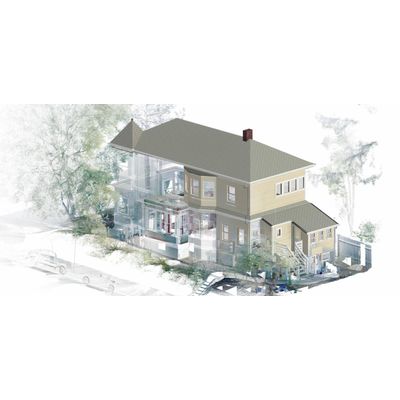
As built drawings in the construction industry are revised documents that accurately represent the final constructed project. They reflect any modifications made during the construction process.
As-built drawings serve as a record of the actual conditions of a building or structure after completion. These plans capture deviations from the original design, including changes made on-site due to unforeseen circumstances or design alterations.
Purpose
The primary purpose of creating as-built drawings is to provide an accurate representation of how a project was constructed. They help stakeholders understand the final layout and details, aiding in future maintenance, renovations, and repairs.
Original Plans vs. As-Built Drawings
While original plans are based on architectural and engineering designs before construction begins, as-built drawings document the real-world implementation of those designs. They include adjustments made during construction, such as changes to dimensions, materials, or locations.
As-built drawings ensure that what was actually built matches what was intended.
They help identify discrepancies between initial plans and the finished product.
Importance of Accurate As-Builts
Enhanced Renovation Planning
Accurate as-built drawings play a crucial role in ensuring that future renovation projects proceed smoothly. By providing an exact representation of the existing structure, contractors can plan and execute renovations with precision. This reduces the chances of errors and unexpected issues during the renovation process.
Efficient Maintenance Operations
Accurate as-builts are essential for efficient maintenance operations in buildings or infrastructure. Maintenance teams rely on these detailed drawings to identify key components, utility lines, and structural elements. With precise documentation, maintenance tasks become more streamlined, leading to quicker repairs and reduced downtime.
Improved Cost Management
Having precise as built documentation can significantly impact cost management for both renovations and maintenance. When contractors have access to accurate drawings, they can estimate costs more effectively, reducing the likelihood of budget overruns. Maintenance teams can optimize their resources by referencing detailed as-builts, saving time and money on repairs and replacements.
Creators of As-Built Plans
Architects and Engineers
Architects and engineers play a crucial role in developing as-built plans for construction projects. They work closely to ensure that the final drawings accurately reflect the intended design. By examining the original blueprints and conducting on-site assessments, they create detailed as-built documentation.
Contractors' Contribution
Contractors, another key player, contribute their expertise to the creation of as-built plans. They provide valuable insights into the actual conditions on-site, helping to update the initial line drawings with real-world measurements and modifications. This collaboration ensures that the final as-builts serve as an accurate representation of the completed project.
Expertise in As-Built Documentation
Generating precise as-built documentation requires a high level of expertise from all stakeholders involved. From understanding complex architectural plans to accurately measuring dimensions, professionals must possess a keen eye for detail and a deep understanding of construction processes. This meticulous approach guarantees that as-built plans serve as a reliable permanent record of the finished structure.
Process of Creating As-Builts
Development Process
Creating as-built drawings involves meticulously documenting the final construction details. Initially, professionals compare the original design plans with what was actually constructed on-site. They then make necessary revisions to accurately reflect the built environment. This process requires precision and attention to detail to ensure the final drawings are an exact representation of the completed project.
Challenges Faced
Services of developing as-built drawings presents several challenges. One common issue is discrepancies between the initial blueprints and the actual construction. These variations can arise due to modifications made during the building process or errors in the original plans. Outdated documentation or incomplete records can hinder the creation of accurate as-builts, requiring thorough site inspections and data collection to fill in missing information.
Key Points:
- Precise comparison between original designs and constructed elements.
- Attention to detail is crucial for accuracy.
- Discrepancies and modifications pose challenges.
- Incomplete records may require extensive data collection efforts.
Key Components of As-Builts
Elements in As-Built Drawings
As-built drawings typically include detailed floor plans, elevations, and sections that accurately represent the final constructed project. They also encompass mechanical, electrical, and plumbing (MEP) layouts, structural details, and architectural finishes.
Floor plans provide an overview of the spatial layout, including room dimensions and wall locations.
Elevations showcase the vertical views of structures, displaying features like windows, doors, and exterior finishes.
Sections offer a cut-through perspective to illustrate building components such as foundations, walls, and roof structures.
Importance of Annotations and Measurements
Detailed annotations play a crucial role in as-built drawings by providing additional information about materials, equipment specifications, and construction techniques used during the project. Accurate measurements ensure that all components are correctly sized and positioned within the drawing.
Annotations help future maintenance or renovation projects by clarifying specific details for contractors or engineers.
Precise measurements prevent errors during construction work based on incorrect dimensions or placements.
In essence, as-built drawings serve as a comprehensive record of the final built environment, aiding in maintenance, renovations, and future developments.
Summary
Understanding the importance of accurate as-built drawings and the meticulous process involved in creating them is crucial for ensuring the successful completion of construction projects. By recognizing the key components and the role of creators in producing these plans, you can appreciate how they serve as invaluable reference documents for future maintenance, renovations, or expansions. Embracing the significance of precise as-builts not only enhances project efficiency but also safeguards against costly errors and discrepancies down the line.
Incorporating thorough as-built practices into your construction projects can streamline operations, minimize risks, and promote long-term sustainability. By prioritizing the creation and utilization of accurate as-built drawings, you empower yourself to navigate future endeavors with confidence and precision. Take charge of your projects by valuing the integrity of your documentation and harnessing the benefits of comprehensive as-built plans.