
What are clean air zones and how do they affect HGV drivers?
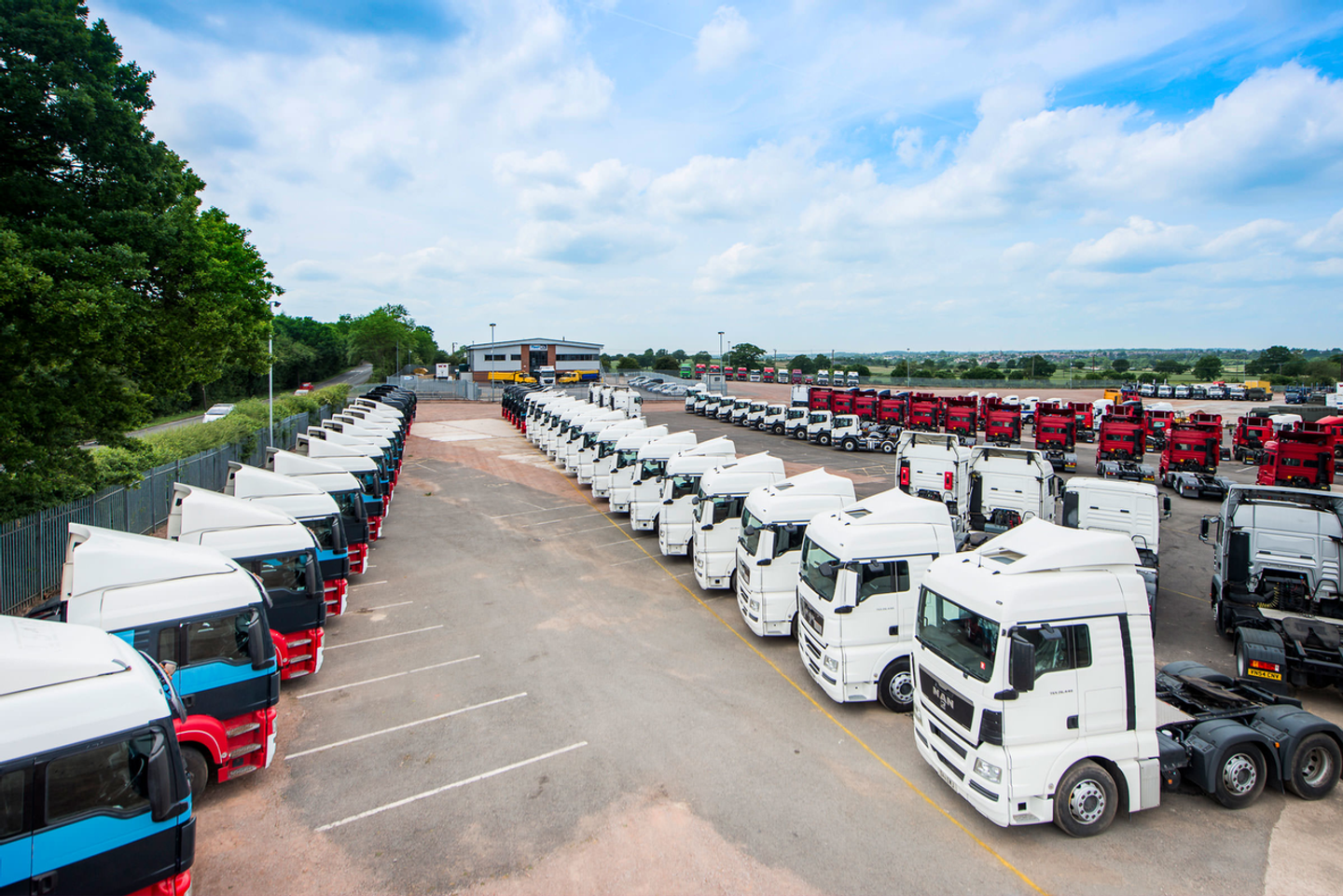
Clean Air Zones are popping up more and more around the country in order to try and reduce the pollution in the area. This means that charges are put in place for certain vehicles that want to pass through the zone. For many, this can be avoided, but for HGV drivers, this could be a difficult and costly minefield to negotiate.
Whilst the importance of Clean Air Zones is clear, the impact on those who cannot avoid them has the potential to be huge. So, how will this affect HGV drivers and what can they do?
What is a Clean Air Zone?
We have all become used to the way in which congestion zones work, and Clean Air Zones are following in their footsteps. This involves marking out an area of a city that tends to be the busiest spot and charging the vehicles that travel within it which are judged to be excessively polluting. They have been created in order to address all sources of pollution, including nitrogen dioxide and particulate matter. The idea is to discourage the use of older, polluting vehicles and to reduce the number of areas where air pollution breaches legal limits.
The charges that are implemented tend to be based on size and will vary from city to city, which means the HGVs, buses and coaches are the ones who are being hit the hardest. Studies have found that diesel-fuelled goods and service vehicles are responsible for disproportionate amounts of the total road traffic emissions, which is why HGVs are set to be hit the hardest.
There are some price breaks for private hire cars, taxis, and regular passenger vehicles, but in general, non-compliant vehicles can incur a charge of around £10 per day, with this rocketing up to £100 for those larger vehicles which do not meet the stringent emissions requirements.
A Clean Air Zone is marked out by signs and is policed by number place recognition cameras which check each vehicle against a database to determine what they should be charged. Most Clean Air Zones are operational 24 hours a day, with no reprieves for bank holidays.
Currently, London boasts an Ultra Low Emission Zone, which was put into place in April 2019. There are also Clean Air Zones now located in Bath, Birmingham, London, Portsmouth, and Oxford, but it does not stop there. Other Clean Air Zones are expected to be launched in Bradford, Manchester, Dundee, Edinburgh, Aberdeen, Bristol, Glasgow, Sheffield, and Newcastle over the next couple of years. Leeds, Liverpool, and Nottingham have shelved their plans to create Clean Air Zones.
What does this mean for HGVs?
The charges that a vehicle faces for travelling in a Clean Air Zone are based on how many emissions that vehicle produces and what type of vehicle it is, as there are some exemptions. To be free from charges, the vehicle needs to be a least a Euro 4 emission standard compliant petrol model, which means it will have been registered after January 2006, or a compliant with Euro 6 standards and registered after September 2015 if it is a diesel.
There are four classes of Clean Air Zones, and HGVs are targeted in Class B, C or D zones. Many of the Clean Air Zones are Class D, with Bath and Portsmouth opting for Class C. At the moment, HGV truck tractor units, rigid vehicles and other heavy commercial iterations are exempt from Clean Air Zone restrictions and charges if they meet the Euro 6 emissions standards as these are found to produce 80% less harmful exhaust emissions than their predecessors.
Whilst this does seem to single out HGVs, there are some zones that are now switching their attention to non-compliant taxis and other vehicles which have so far flown under the radar but could be causing just as much harm.
These charges are a tough burden for many haulage companies to bear, and it seems there is little that can be done to make non-exempt vehicles compliant. Whilst road transport operators need to look at buying into the less harmful Euro 6 units, this is not always financially viable for some.
However, as hauliers are not able to avoid these busy city centres, the mounting costs of travelling through them could make the thought of buying a new or used Euro 6 vehicle, or even leasing one, more cost-effective over the long term if there is money available to make the investment.
At the moment, electric trucks are still a thing of the future, but it seems that initiatives such as the Clean Air Zones are putting pressure on the big truck manufacturers to move quicker on this front.
It is important to remember that each Clean Air Zone has its own restrictions and charges, so it is vital that you check these before setting off. This should now be a crucial part of your route planning, particularly if your vehicles do not meet the exemption standards of the zone in question.
In contrast with the idea of the Clean Air Zones, it could lead to many drivers spending more time on the roads as they take longer routes in order to avoid the charges, therefore adding to the pollution that is being created. In turn, this can lead to delayed service times and longer working hours.
Clean Air Zones have been put in place to make our cities, and the world in general, a better place, but this will always come at a cost. At the moment, that cost is transporting goods around a city in a vehicle that is not always easy to replace. The charges that have been implemented are understandable but crippling for some firms to cope with.
Whilst it does increase pressure for every firm to do their bit when it comes to emissions, the short-term picture does look difficult for some unless Clean Air Zones are implemented more fairly, with a better understanding of all of the vehicles that travel through them and not just heavy goods vehicles.
Author Bio
Fleet Ex are specialists in quality ex-fleet/end of lease trucks and trailers and are global leaders in the trucking industry. Fleet Ex have a true passion for the industry and makes it their mission to answer any question customers can throw at them.