
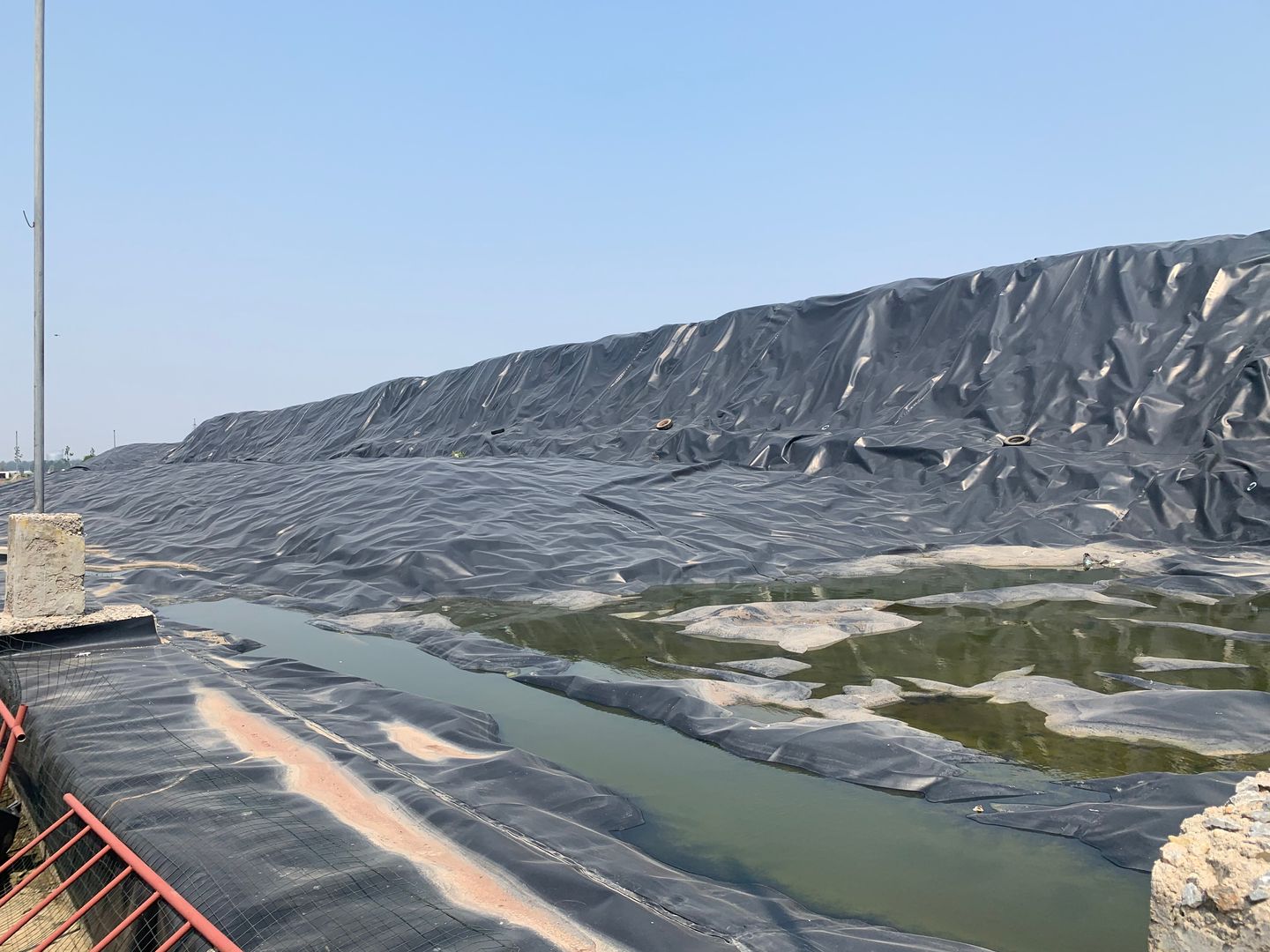

What are Geotextile Tubes used for?
What Is A Geotextile Tube?
Geotextile tube is an engineering material used in civil engineering and environmental protection. It is usually made of polypropylene or other synthetic fiber materials and has a mesh structure. Geotextile tube is characterized by high water permeability and filtration properties.
The main uses of geotextile tubes are in the fields of water conservancy projects, river management, shoreline protection, and coastal protection. They can be used for sediment fixation, river silt treatment, soil protection, and coastal erosion prevention. Typically, geotextile tubes are filled with some natural or artificial materials, such as sand, mud, or other fillers, to enhance their stability and protective properties.
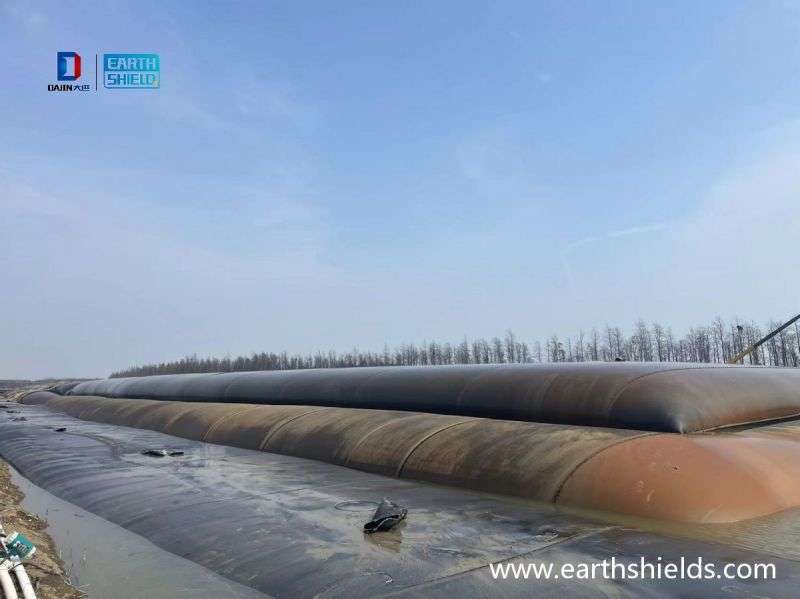
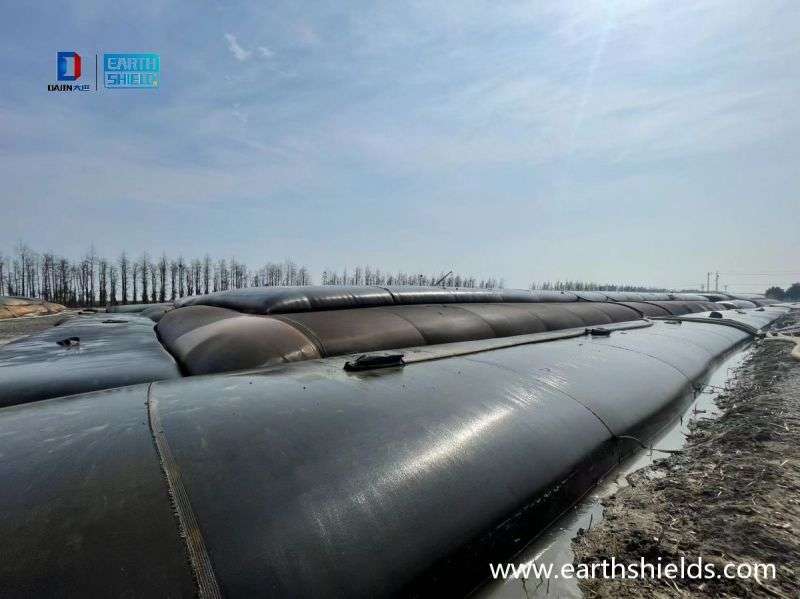
- High water permeability: geotextile tubes are usually made of synthetic fiber materials with good water permeability, which can allow water to pass through and prevent water from accumulating inside the bag.
- Excellent filtration performance: The fiber structure of the geographical cloth bag can filter solid particles and impurities in the water, preventing them from entering the bag, while allowing moisture to pass through.
- Strong flexibility: geotextile tube has a certain degree of flexibility and can adapt to changes in different terrains and the requirements of the engineering environment.
- Corrosion resistance: geotextile tubes are usually made of corrosion-resistant synthetic fiber materials, which can resist corrosion from water, soil, and chemical substances, and have a long service life.
- Strong customizability: The size, shape, and material of the geotextile tube can be customized and designed according to specific engineering needs to meet the use requirements of different occasions.
- Convenient construction: Compared with traditional earthworks, the installation and construction of geotextile tubes are relatively simple, do not require a lot of mechanical equipment and manpower, and can be completed quickly.
- Environmentally friendly: geotextile tubes are usually made of renewable synthetic fiber materials, which have less impact on the environment and are in line with the concept of sustainable development.
In general, geotextile tubes have broad application prospects in the fields of water conservancy engineering, environmental protection, and civil engineering due to their high water permeability, excellent filtration performance, strong flexibility, and corrosion resistance.
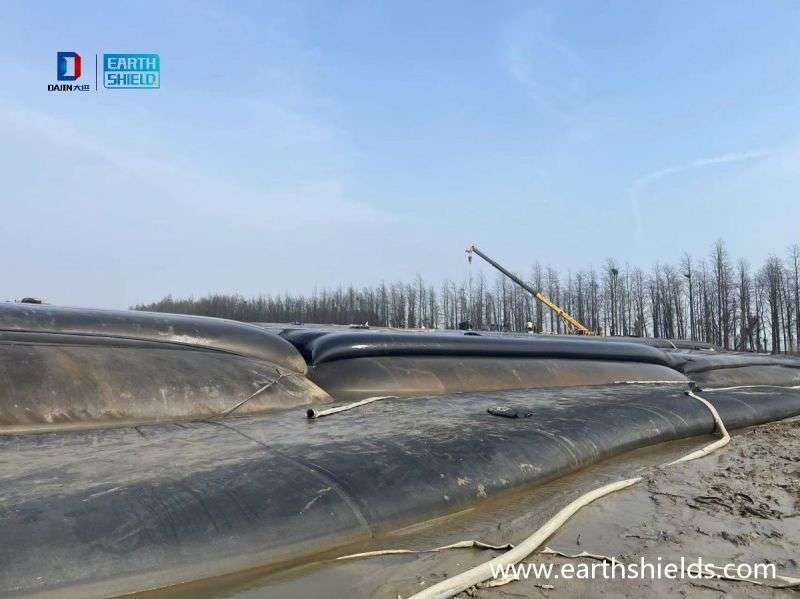
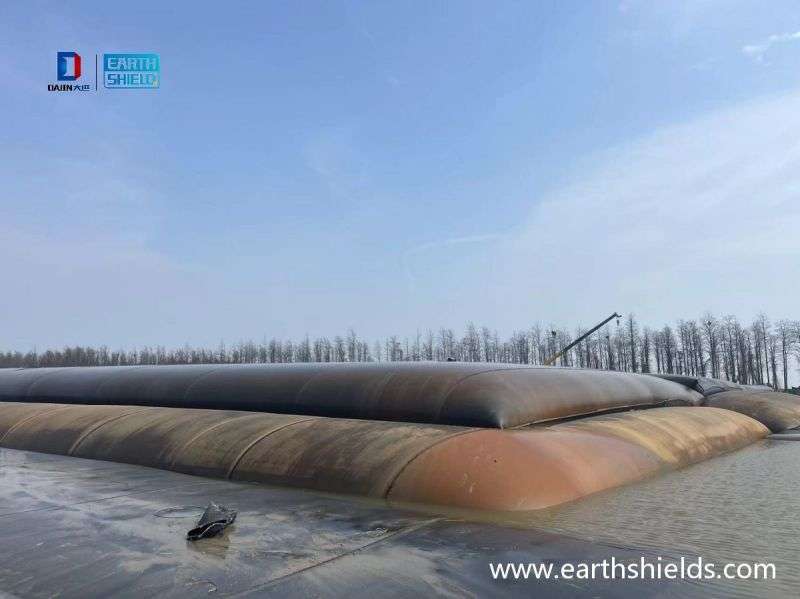
Geotextile tubes are widely used in the fields of civil engineering and environmental protection, mainly including the following aspects:
- River management and sediment management: geotextile tubes can be used for river management, including river bed restoration, river widening, and river bank protection. They are also used to manage sediments such as silt and sludge in rivers.
- Coastal protection and shoreline protection: In coastal and shoreline areas, geotextile tubes can be used to prevent coastal erosion and wave erosion. They can create breakwaters and coastal slope protection, protecting the stability of the coastline and the safety of residents.
- Soil erosion control: geotextile tubes can be used to prevent soil erosion, especially on steep slopes and plateau areas. They hold the soil in place and prevent it from being damaged by water or wind.
- Sewage treatment and solid waste treatment: geotextile tubes can be used to treat sewage and solid waste, including sedimentation tanks in wastewater treatment plants and landfills for solid waste. They can separate solid particles in the water and fix them in the bag to purify the water.
- Water resources management and level control: geotextile tubes can be used for water resources management, including level control of rivers and reservoirs, flood control, and irrigation. They can help control water flow, slow it down, and reduce bank erosion and siltation.
- Environmental protection and ecological restoration: geotextile tubes can be used for environmental protection and ecological restoration, including wetland restoration, habitat protection, and water body ecological restoration. They can help protect natural ecosystems and reduce the negative impact of human activities on the environment.
geotextile tubes have broad application prospects in river management, coastal protection, soil erosion control, sewage treatment, water resources management, and environmental protection, and are of great significance to improving human life and protecting the earth’s environment.
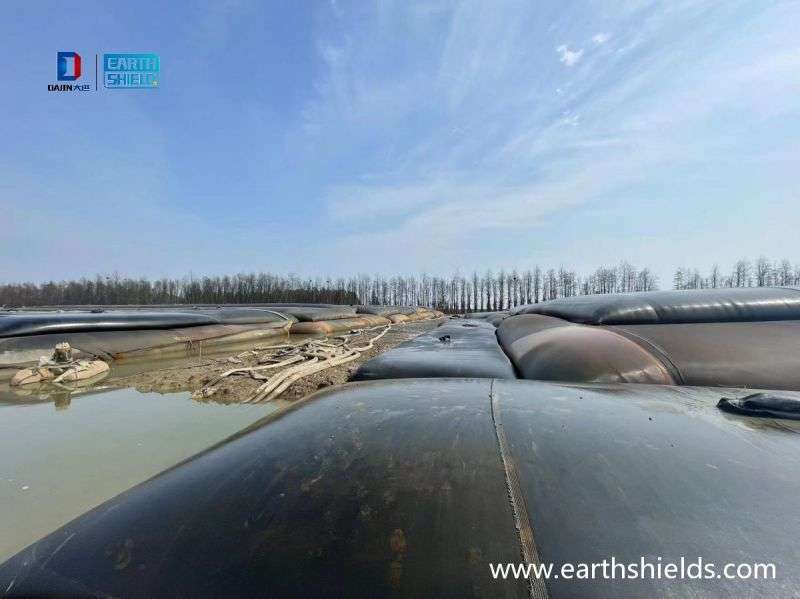
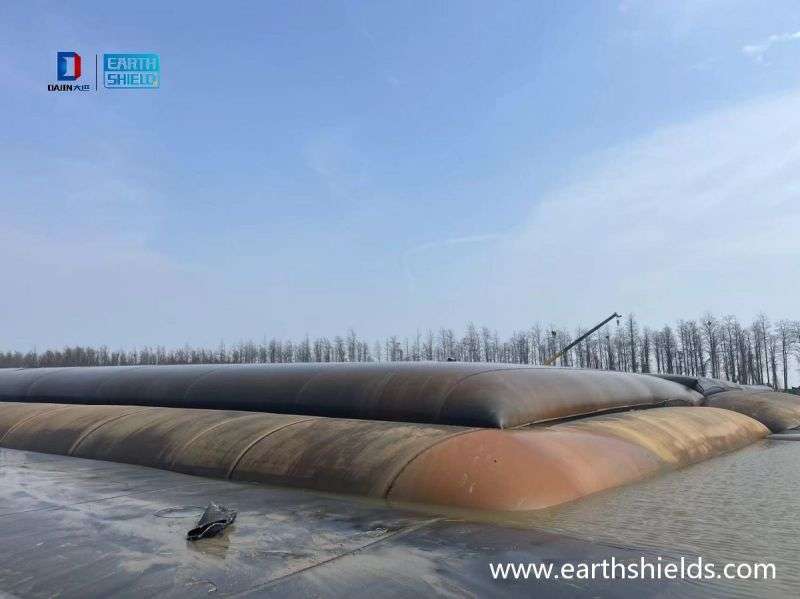
Geotextile tube specifications will vary based on specific project needs and manufacturer offerings. Here are some examples of possible specifications:
1. Size and shape:
- Length: usually between 10 meters and 100 meters, can be customized as needed.
- Diameter or width: can be between 1 meter and 5 meters, and also can be customized.
- Shape: cylindrical, rectangular, trapezoidal, etc., designed according to engineering requirements.
2. Material and thickness:
- Material: Polypropylene (PP) polyester (PET) and other synthetic fiber materials.
- Thickness: Generally between 0.5 mm and 3 mm, depending on engineering needs.
3. Filling type and density:
- Fill type: sand, gravel, mud, etc.
- Packing density: usually between 900kg/cubic meter and 2000kg/cubic meter.
4. Filter cloth:
- Material: Highly water-permeable geotextile.
- Weight: Usually between 100g/m2 and 300g/m2.
5. Interface design:
- Interface form: sewing, bonding, welding, etc.
- Strength level: Designed according to engineering requirements and material properties.
These specifications are for reference only. Actual use should be customized according to specific project requirements and geographical environment characteristics. Geotextile tube manufacturers usually provide more detailed specification tables and product parameters for selection.
geotextile tubes can be quickly installed during the construction process, are suitable for various terrains and environmental conditions, and have broad application prospects. If you have a geotextile tube project under construction or planned to be constructed, contact us. Our engineers will provide you with professional technical guidance 24 hours a day online and can also provide free samples for your project!