


- Home
- Companies
- Aimix Group Co., Ltd
- Articles
- What Do You Need to Prepare for Grid ...
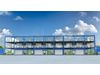
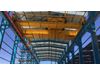

What Do You Need to Prepare for Grid Frame Structure Installation?
The grid frame structure, a popular architectural and engineering solution, is used in a wide variety of construction projects, from large industrial facilities to complex architectural designs. It consists of a network of beams arranged in a grid-like pattern, providing support and distributing loads evenly across the structure. Installing a grid frame structure requires careful planning and preparation to ensure its stability, safety, and efficiency. In this article, we will explore the key steps and considerations for preparing for grid frame structure installation.
Understand the Project Requirements and Specifications
Before starting the installation of a grid frame steel structure, it is essential to have a comprehensive understanding of the project requirements and specifications. This step is crucial because it helps you assess the scope of work, the materials needed, and the necessary equipment for the job.
Start by reviewing the design documents provided by the architect or structural engineer. These documents should include:
Detailed plans: These will outline the exact dimensions, load-bearing capacities, and specifications of the grid frame structure.
Material specifications: Ensure you have all the material requirements, including the type and grade of steel or other materials to be used in the grid frame.
Foundation details: The foundation must be capable of supporting the grid frame structure. The installation team should have a clear understanding of the foundation design and its readiness before the grid frame assembly begins.
Load-bearing analysis: The installation team should understand the load-bearing capacities of both the grid frame and the building it is intended to support.
Having a clear understanding of these aspects ensures that the grid frame structure will be installed correctly and in line with the overall design intentions of the project.
Site Preparation and Layout Planning
The installation of a grid frame structure begins with thorough site preparation. This involves evaluating the construction site, ensuring the area is ready for the frame’s arrival, and accurately marking the grid lines to guide the installation process.
Key Site Preparation Steps Include:
Clearance and site leveling: The site should be cleared of any debris, vegetation, or obstacles that could interfere with the installation. In some cases, the ground needs to be leveled to provide a stable foundation for the structure.
Gridline marking: Accurate gridline marking is essential for ensuring that the frame is installed in the correct position. This can be done using a combination of chalk lines, laser levels, and measuring tapes. The gridlines should be aligned with the overall design plan and should mark the exact location where each column, beam, or structural element will be placed.
Foundation readiness: Verify that the foundation is prepared and in compliance with the grid frame’s design specifications. Any necessary footings, anchor bolts, or base plates should be in place and aligned properly to ensure the structure’s stability once the frame is installed.
Proper site preparation is vital for reducing installation delays and ensuring that the grid frame structure will be aligned, balanced, and stable.
Ensure Availability of Materials and Equipment
Once the design and site preparations are in place, the next step is to ensure that all necessary materials and equipment are available on-site for the installation process. This includes not only the grid frame components themselves but also the tools and machinery required for assembly.
Materials Required:
Beams and columns: These are the primary elements of the grid frame structure, typically made from high-strength steel or concrete.
Connection elements: Bolts, nuts, welds, or other fasteners used to join the beams and columns together.
Bracing materials: Additional bracing elements may be required to stabilize the frame during installation, ensuring the structure’s rigidity until the frame is fully assembled.
Equipment Required:
Cranes and hoists: To lift and position the heavy beams and columns. For larger grid frames, heavy-duty cranes may be necessary to transport the materials from the ground to the installation height.
Welding and cutting equipment: For joining parts or making adjustments during installation.
Safety equipment: This includes helmets, harnesses, gloves, and protective eyewear to ensure the safety of workers.
Laser levels and measuring instruments: These are essential for ensuring the precise alignment of the grid frame during the installation process.
By ensuring that all the required materials and equipment are available ahead of time, you can avoid unnecessary delays during installation.
Workforce and Expertise
A grid frame structure installation is a complex task that requires a team of skilled workers with the right expertise. The team should be familiar with structural steel installation, heavy lifting, and safety protocols.
The workforce typically includes:
Project manager: The person in charge of overseeing the entire installation process, ensuring that everything is done according to the design and safety standards.
Engineers: Structural engineers are responsible for supervising the technical aspects of the installation, making sure that each component of the grid frame is properly aligned, fastened, and supported.
Skilled laborers: These workers are trained in the assembly and installation of grid frames and have experience in handling heavy machinery and tools.
Safety officers: Safety officers ensure that all necessary precautions are in place and that workers follow safety guidelines throughout the installation process.
It’s important to have a team with the right balance of experience, skill, and knowledge to ensure a smooth and safe installation.
Safety Precautions and Risk Assessment
Safety is a paramount consideration during the installation of a grid frame structure. Working at height, handling heavy materials, and operating large machinery all pose potential risks. Therefore, a comprehensive risk assessment and safety plan must be in place before starting the installation.
Key safety precautions include:
Fall protection: Workers operating at height should be equipped with fall protection harnesses, guardrails, and safety nets.
Machinery safety: Operators of cranes, hoists, and other machinery must be properly trained and follow all safety procedures to prevent accidents.
Personal protective equipment (PPE): All workers must wear the appropriate PPE, including hard hats, safety boots, gloves, and high-visibility clothing.
Site supervision: Having a site supervisor who can monitor the installation process ensures that safety guidelines are followed, and any potential hazards are addressed promptly.
Conducting a thorough safety assessment and ensuring that all workers are properly trained and equipped is essential to preventing accidents and ensuring the smooth execution of the installation.
Detailed Installation Plan
A detailed installation plan is critical for the smooth assembly of the grid frame structure. This plan should outline the step-by-step process for installing the frame, including the sequencing of the installation, safety measures, and any potential challenges that may arise.
Elements to include in the installation plan:
Sequencing of assembly: The order in which the various components (columns, beams, braces, etc.) will be installed. The sequencing should follow the structural design to ensure that the frame is assembled correctly and efficiently.
Lifting and positioning: A plan for safely lifting and positioning each component, considering the capacity of cranes and other lifting equipment.
Contingency planning: Identify potential risks or challenges and develop contingency plans to address them if they arise.
Having a detailed installation plan helps ensure that the process runs smoothly, minimizing delays and mistakes.
Inspection and Quality Control
Once the grid frame structure is installed, it’s essential to conduct a thorough inspection to ensure everything has been assembled correctly and meets the necessary standards. This includes checking the alignment of the frame, verifying the integrity of connections, and assessing the overall stability of the structure.
Key inspection points include:
Connection integrity: Check that all bolts, nuts, and welds are secure and that there are no loose or missing fasteners.
Alignment: Verify that the grid frame is correctly aligned with the foundation and that all components are level.
Structural stability: Ensure that the frame is stable and capable of handling the expected loads without any signs of deflection or instability.
By conducting a thorough inspection and quality control check, you can ensure that the grid frame structure is safe, durable, and ready for use.
Installing a grid frame structure requires careful preparation, proper coordination, and attention to detail. From understanding the design requirements to ensuring that materials, equipment, and the workforce are in place, every step of the process plays a critical role in ensuring a successful installation. With the right preparation, a skilled team, and a well-executed installation plan, you can ensure that your grid frame structure will be safely and efficiently installed, providing a strong foundation for your project.