


- Home
- Companies
- USA Borescopes
- Articles
- What Is a Borescope Inspection Camera? ...
What Is a Borescope Inspection Camera? A Complete Guide for Technicians
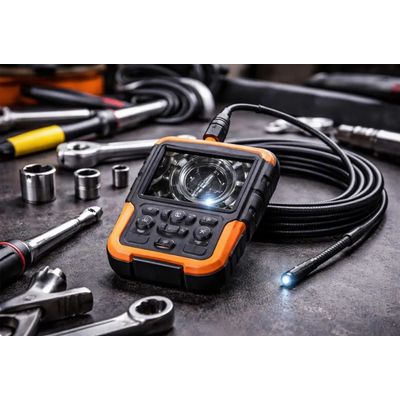
As advanced diagnostics and engineering become more precise, maintenance work increasingly requires inspection that goes beyond the naked eye. Whether you’re working in aviation, automotive repair, manufacturing, plumbing, or industrial maintenance, you’ve likely heard of a borescope inspection camera. But what is a borescope inspection camera exactly?
To fully appreciate its value and capability, it helps to understand how it works, the types available, and why industries rely on it. This guide breaks it all down.
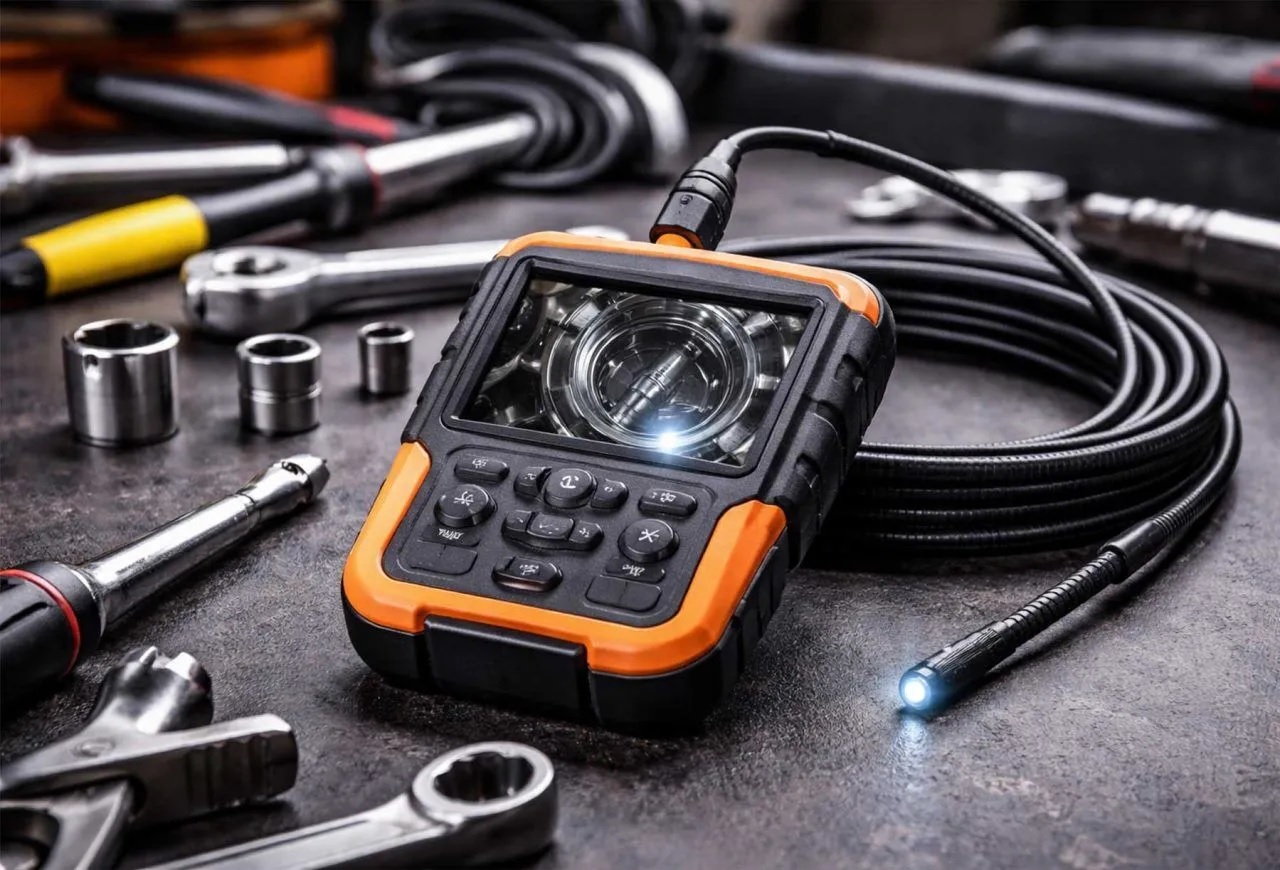
Simply put, a borescope inspection camera is a specialized tool designed to let technicians view internal components, enclosed spaces, and hard-to-reach areas without requiring major teardown or disassembly.
Equipped with a tiny camera and lighting system at its tip, this slender, tube-like device transmits live video or still images to a screen or mobile device, allowing technicians to inspect internal cavities, machinery, pipes, engines, ducts, structures, and more.
This tool increases efficiency and reduces inspection times, as well as enables technicians to detect issues early before they become expensive problems.
Although there are many models and variations, most borescopes share these fundamental components:
1. Insertion Tube/Probe
The insertion tube or probe is a long, narrow tube that technicians insert into the area they need to inspect. It may be flexible, semi-rigid, or completely rigid, depending on the application.
2. Camera Sensor
This sensor is essentially a micro-sized camera at the end of the tube that captures live images or video of the internal space.
3. LED Lighting
Built-in LED lights illuminate dark or enclosed areas for clear visuals.
4. Display Screen or Device Connectivity
The camera feed is displayed on a:
- Built-in handheld monitor,
- Smartphone or tablet (Wi-Fi or USB connection), or
- Laptop or workstation.
5. Articulation (Optional)
Higher-end borescopes offer articulating tips, allowing the camera head to bend in one, two, or four directions, making it ideal for detailed and angled inspections.
Choosing the right borescope starts with understanding the three main categories:
These borescopes have a stiff, non-flexible tube, making them effective for unobstructed, direct line-of-sight access.
Best for: Straight-line inspections, manufacturing, firearms, and machined parts
Benefits: Crystal-clear optics and durability
Made from flexible materials, this borescope can easily bend through tight pathways.
Best for: HVAC, plumbing, equipment maintenance, wiring checks, and automotive work.
Benefits: Navigation through curved spaces
3. Video Borescopes (Videoscopes)
This is the most advanced type of borescope, combining a flexible or semi-rigid probe with high-resolution video and digital features.
Best for: Aviation, industrial inspections, turbine engines, and complex machinery
Benefits: Articulation, HD imaging, recording, zoom, and data sharing
Because borescopes solve a universal visibility problem, they’re used everywhere. Here are some of the most common applications.
Aviation
Aircraft engine inspections rely heavily on video borescopes. Technicians check turbines, combustion chambers, compressor blades, gears, and internal engine components for cracks, FOD, pitting, or wear.
Automotive
Mechanics use borescopes to inspect:
- Cylinders and pistons
- Valves and injectors
- Cooling systems
- Behind dashboards
- Exhaust components
This allows for faster diagnostics with minimal teardown.
Plumbing
A borescope helps locate:
- Pipe blockages
- Leaks
- Corrosion
- Collapsed sections
It removes guesswork and prevents unnecessary wall or pipe removal.
HVAC
Technicians inspect ducts, coils, drain pans, and internal HVAC components for blockages, mold, and debris.
Manufacturing and Industrial Maintenance
Borescopes identify wear, alignment issues, and defects in:
- Machinery
- Welds
- Castings
- Gears
- Production equipment
Security, Law Enforcement, and Search Operations
Used to safely check confined spaces, vehicles, or hazardous environments.
- Non-Destructive Inspection (NDI): View critical internal components without dismantling machinery or structures.
- Faster, More Accurate Diagnostics: Shortens downtime, helps identify issues early, and improves maintenance planning.
- Reduced Cost of Repairs: Minimizes labor hours and prevents unnecessary part replacements.
- Improved Safety: Access confined and hazardous areas without putting technicians at risk.
- Enhanced Documentation: Most borescopes record photos and videos for reporting, customer communication, and compliance.
When choosing a borescope inspection camera, consider:
- Probe diameter (smaller = better access)
- Probe length
- Image resolution (HD or Full HD)
- Articulation capability
- LED illumination quality
- Chemical and water resistance
- Recording and storage options
- Portability
Professionals often prefer articulating video borescopes for their flexibility and precision.
If you’re asking, “What is a borescope inspection camera and which one should I choose?”, USA Borescopes has the largest and most diverse selection of models for every industry and every budget. Our expert team helps technicians find the right probe diameter, articulation level, and imaging technology for their specific inspection tasks.
With top-quality equipment, unmatched support, and decades of experience, USA Borescopes is the trusted choice for professionals who need reliable, high-performing inspection tools.
Now that you know what a borescope inspection camera is, it’s clear why this tool has become an integral part of the inspection process in so many industries. By giving technicians access to enclosed or obstructed areas without disassembly, borescopes improve efficiency, save money, and enhance the quality of diagnostics.
If you’re ready to upgrade your inspection capabilities, explore our comprehensive selection of borescope inspection cameras or contact us today for more guidance.