


- Home
- Companies
- Aimix Group Co., Ltd
- Articles
- What Is The Typical Lifespan Of A Self ...
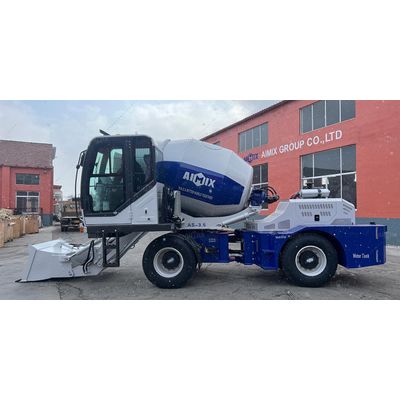
What Is The Typical Lifespan Of A Self Mix Concrete Truck?
The typical lifespan of a self-mix concrete truck can vary significantly depending on various factors. Understanding these factors is crucial for contractors and construction companies looking to optimize their equipment investment and ensure efficient project execution. In this article, we delve into the typical lifespan of self-mix concrete trucks, exploring the key factors influencing their longevity and the best practices for prolonging their lifespan.
I. Introduction
Self-mix concrete trucks, also known as self-loading concrete mixers, are specialized vehicles designed for mixing and transporting concrete to construction sites. These trucks feature a rotating drum at the rear, capable of mixing concrete ingredients while in transit. Understanding the lifespan of such self mix concrete truck is essential for construction companies to make informed decisions regarding equipment acquisition and maintenance strategies. By comprehending the factors affecting their lifespan, businesses can optimize their usage and mitigate premature wear and tear, ultimately maximizing return on investment.
II. Factors Affecting Lifespan
A. Quality of Construction Materials
The lifespan of a self-mix concrete truck is significantly influenced by the quality of materials used in its construction. Manufacturers utilizing high-grade steel, robust hydraulic components, and durable mixing drums can expect their vehicles to withstand the rigors of daily operation for an extended period. Conversely, vehicles constructed with substandard materials are prone to premature deterioration, leading to frequent breakdowns and costly repairs. Investing in trucks built with quality materials is imperative for ensuring longevity and reliability.
B. Maintenance Practices
Regular maintenance is paramount in preserving the lifespan of self-mix concrete trucks. Establishing comprehensive inspection and servicing routines ensures that potential issues are identified and addressed promptly, preventing minor problems from escalating into major breakdowns. Adhering to manufacturer-recommended maintenance schedules, including lubrication, fluid checks, and component replacements, is essential for optimal vehicle performance. By prioritizing preventative maintenance, operators can minimize downtime, prolong vehicle lifespan, and reduce overall operational costs.
C. Operating Conditions
The operating conditions in which self-mix concrete trucks are deployed play a significant role in determining their lifespan. Vehicles subjected to frequent use, heavy loads, and harsh environmental conditions are more prone to accelerated wear and tear. Factors such as temperature extremes, abrasive terrain, and exposure to corrosive materials can contribute to premature deterioration of vehicle components. Implementing strategies to mitigate these effects, such as proper storage, regular cleaning, and adherence to weight limits, can help extend the lifespan of self loading mobile concrete mixers.
III. Prolonging Lifespan Through Best Practices
A. Routine Inspections and Maintenance Schedules
To maximize the lifespan of self-mix concrete trucks, operators must prioritize routine inspections and adhere to manufacturer-recommended maintenance schedules. Regularly checking vital components such as the engine, hydraulic system, and mixing drum allows for early detection of potential issues, minimizing the risk of unexpected breakdowns. By implementing proactive maintenance practices, operators can identify and address problems before they compromise vehicle performance, ensuring continued reliability and longevity.
B. Proper Operation Techniques
Effective operation techniques are essential for preserving the lifespan of self-mix concrete trucks. Providing comprehensive training for drivers on efficient and safe operation practices reduces the risk of unnecessary strain on vehicle components. Operators should be instructed to avoid overloading the vehicle beyond its rated capacity and to exercise caution when navigating challenging terrain. By promoting responsible driving behaviors, construction companies can minimize wear and tear on vehicles, prolonging their lifespan and optimizing operational efficiency.
C. Environmental Considerations
Environmental factors can significantly impact the lifespan of self-mix concrete trucks, particularly when vehicles are exposed to harsh weather conditions or corrosive materials. Implementing proper storage practices, such as sheltering vehicles from rain, snow, and direct sunlight, helps protect against premature deterioration of exterior surfaces and sensitive components. Additionally, operators should ensure proper disposal of waste materials, such as concrete residue and cleaning agents, to prevent corrosion and contamination of vehicle parts. By safeguarding vehicles against environmental hazards, construction companies can extend the lifespan of their self-mix concrete trucks and maintain optimal performance throughout their operational lifespan. Learn more info here: https://aimixglobal.com/mini-self-loading-concrete-mixer/.
In conclusion, the typical lifespan of a self-mix concrete truck is influenced by various factors, including the quality of construction materials, maintenance practices, and operating conditions. By prioritizing preventative maintenance, implementing proper operation techniques, and considering environmental factors, construction companies can prolong the lifespan of their vehicles and optimize their investment in equipment. By understanding the key factors affecting vehicle longevity and implementing best practices to mitigate potential risks, construction companies can ensure the reliable performance of their self-mix concrete trucks for years to come.