


- Home
- Companies
- Ecosafe Zero Waste Inc.
- Articles
- What the heck is compostable, anyway?
What the heck is compostable, anyway?
Is it Composable?
Adding the wrong items to your curbside compost big can contaminate the compost stream, reducing its quality and effectiveness. Identifying compostable materials can sometimes be tricky, but with a few simple guidelines, you can easily determine what belongs in the compost bin. This blog will provide you with clear steps to identify compostable materials, helping you make informed choices and contribute to a greener planet. Let’s dive into the essentials of recognizing compostable items and ensuring your industrial composting efforts are both effective and eco-friendly.
The simplest way to determine if a material is compostable is to look for the word “compostable” on the packaging or label. This controlled term in most places, meaning that companies that mark their products as compostable are saying that they can be put in a compost pile. This labeling helps you quickly identify suitable items and ensures they can be processed correctly at your industrial composting facility. Be aware that terms like “biodegradable” or “eco-friendly” do not necessarily mean the product is compostable. Only “compostable” guarantees that the product meets the stringent requirements needed to decompose effectively without contaminating the compost stream. Always look specifically for “compostable” to avoid confusion and contamination.
Another reliable way to identify compostable materials is to look for certifications from recognized organizations. Certifications from the Biodegradable Products Institute (BPI) and the Compost Manufacturing Alliance (CMA) are particularly trustworthy. These certifications indicate that the product has been tested and meets the rigorous standards for compostability in industrial facilities. By displaying the BPI or CMA logo, the product has been vetted and approved by a neutral third-party organization, giving you confidence in its compostability. This third-party verification ensures that the material will break down properly in your industrial composting process, ensuring high-quality compost and minimizing the risk of contamination.
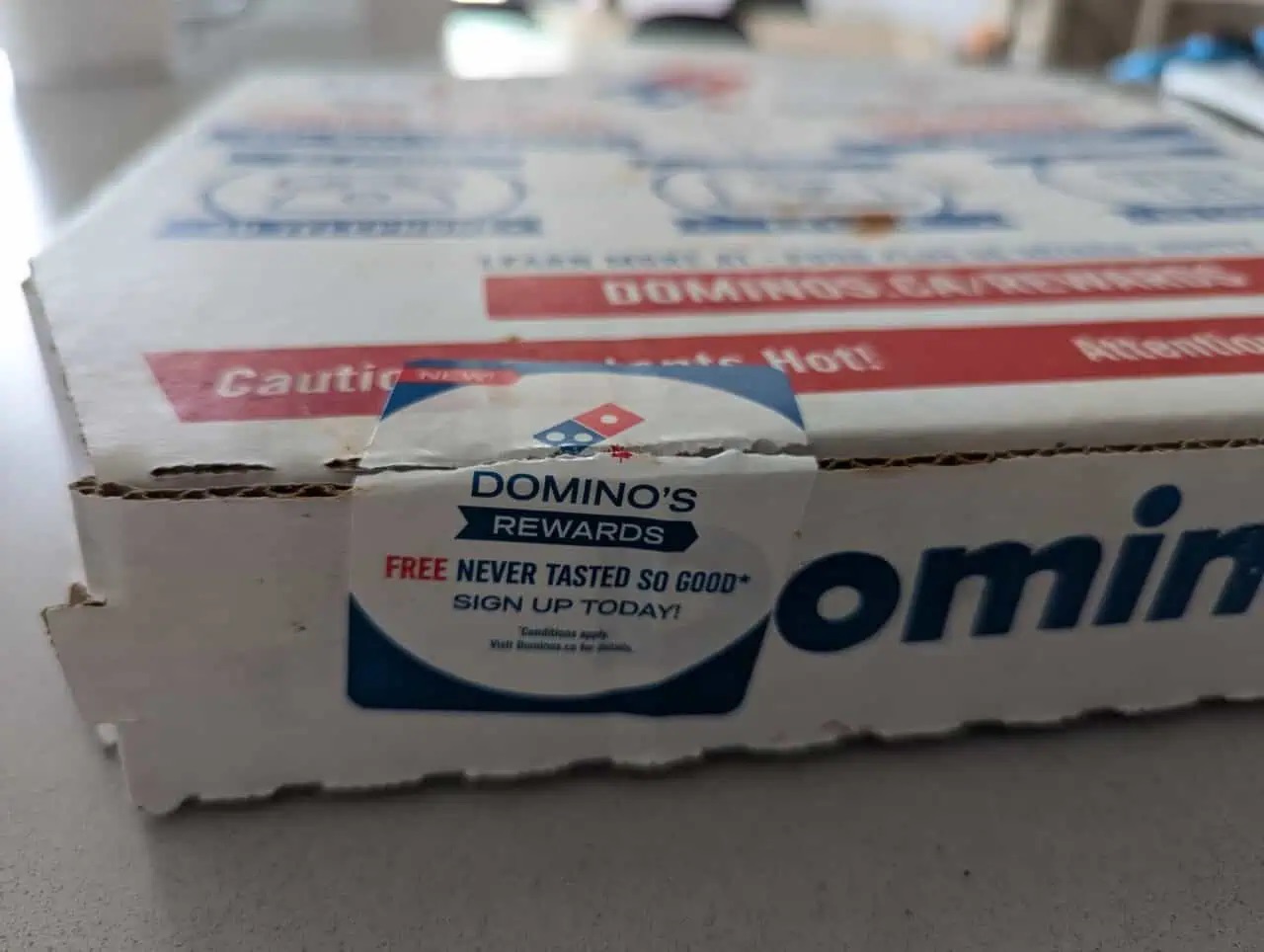
Even if a product is labeled as (or assumed to be) compostable, it’s important to inspect it for any non-compostable components. Many items may include parts that need to be removed before composting. For example, most pizza boxes are compostable, but the stickers used to keep them closed are not. These stickers should be removed and disposed of properly to avoid contaminating the compost. Are tea bags compostable? Yes, but you should check for staples or other not compostable items holding the tea label to the thread. Other common non-compostable elements to watch out for include plastic linings, metal parts, and adhesives. By carefully inspecting products and removing any non-compostable components, you help ensure that only suitable materials enter the compost stream, maintaining the quality and effectiveness of your industrial composting process.
If you’re ever unsure whether a material is compostable, it’s best to follow the rule: “When in doubt, throw it out.” While it might seem counterintuitive to discard potentially compostable items, this precaution helps prevent contamination in the compost stream. Contaminants can disrupt the composting process and result in lower-quality compost. By erring on the side of caution and discarding questionable items, you help maintain the integrity of the compost and ensure that the final product is beneficial for the environment. Always prioritize the overall health of your composting system.
Successfully identifying compostable materials is crucial for maintaining the efficiency and quality of industrial composting processes. By looking for the word “compostable,” checking for trusted certifications, inspecting for non-compostable components, and following the “when in doubt, throw it out” rule, you can ensure that only suitable items make it into your compost stream. These simple steps help prevent contamination, support effective composting, and contribute to a healthier environment. Make composting a habit and share these guidelines with others to promote sustainable practices and a greener planet.