

- Home
- Companies
- Earth Shield Environmental Co., Ltd.
- Articles
- Why use Anti-seepage geomembrane in ...
Why use Anti-seepage geomembrane in salt production?
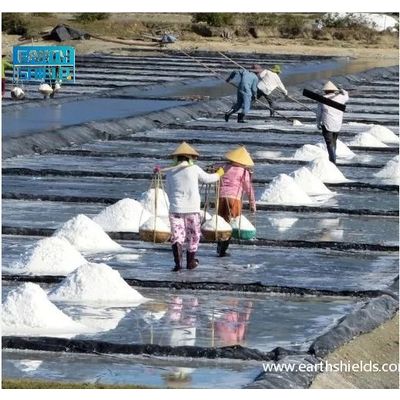
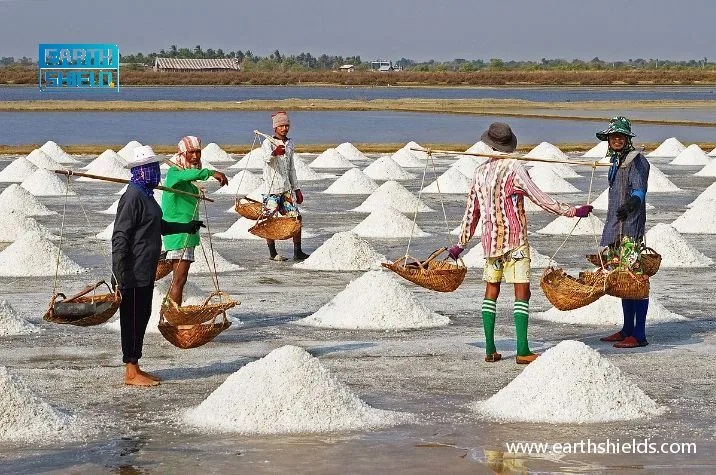
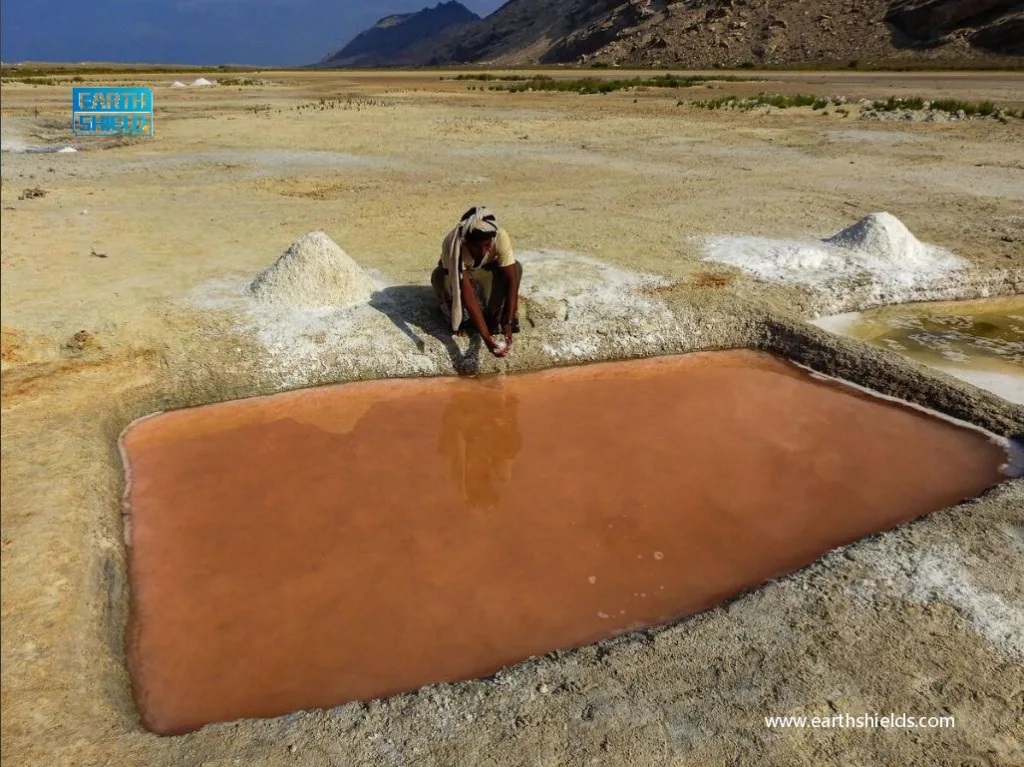
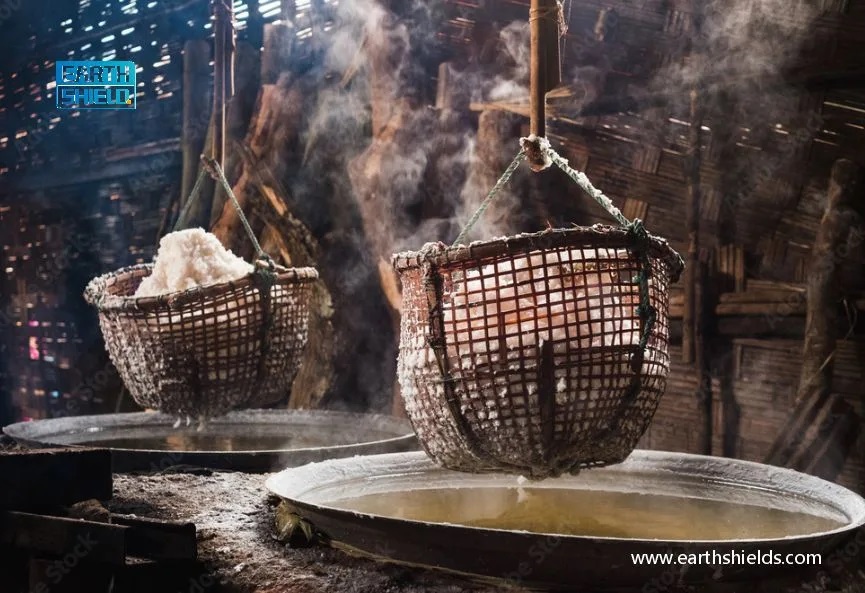
Solar salting involves evaporating water from brine to extract salt. This process requires placing saltwater in shallow pans, allowing the sun to evaporate the water and leaving the salt behind. Yet, if the soil lacks impermeability, water might seep through, diluting the brine and diminishing the salt concentration, thereby impacting both yield and quality.
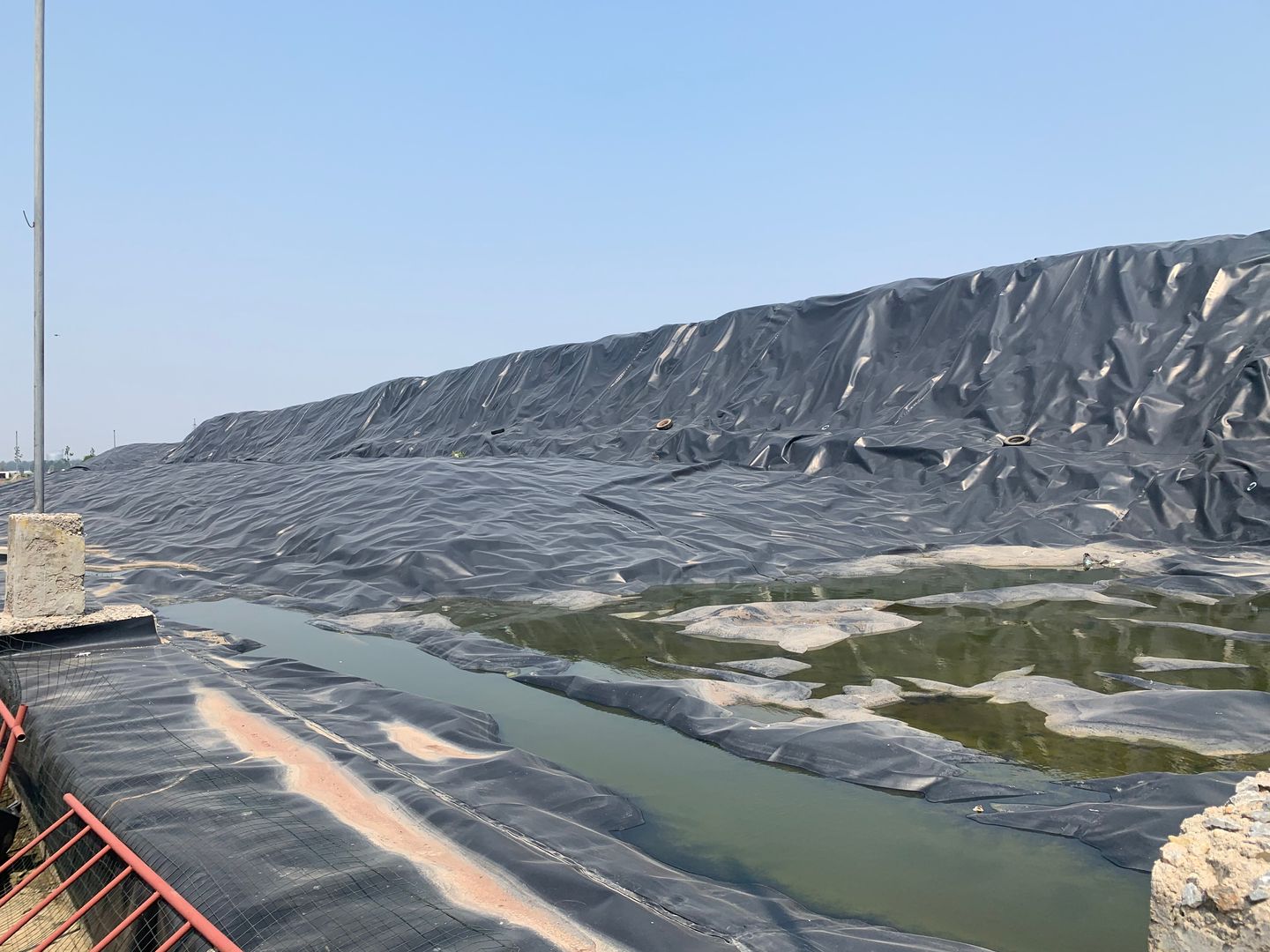
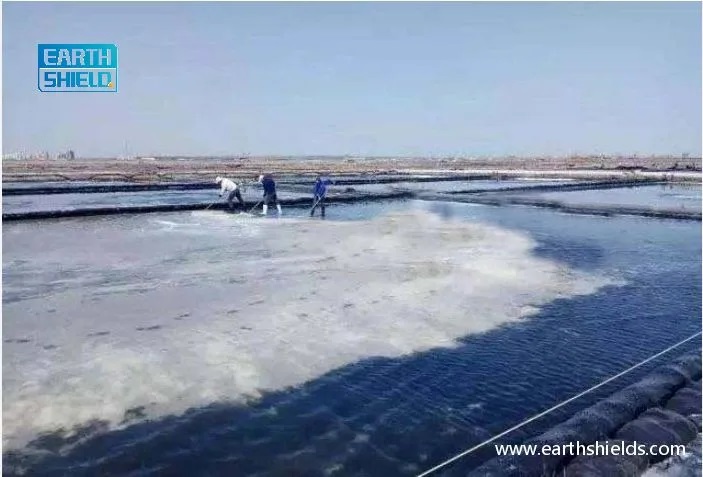
To solve this problem, Salt Field Anti-seepage geomembrane is often used. Salt Field Anti-seepage geomembrane is an artificial film or layer, usually made of materials such as polyethylene (HDPE). The application of HDPE geomembrane is generally used for industrial waste, hazardous waste, landfills and other waste liners. A new application for HDPE geomembranes is as a liner for salt evaporation ponds, preventing moisture and chemicals from penetrating into the soil.
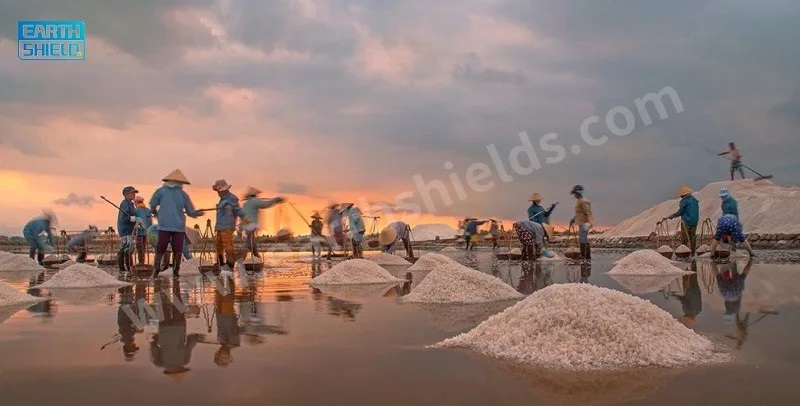
- Geomembrane has good acid and alkali resistance and can resist acid and alkali erosion in the soil.
- Compared with traditional salt production methods, geomembrane salt production methods have higher salt production and better quality.
- The geomembrane-based salt production method is easy to implement because it uses simple equipment and can be made independently by salt farmers.
- Using a geomembrane in salt industry can prevent leaks in the salt crystallization pond and optimize heat from solar energy to optimize the quantity of salt production.
- Salt Field Anti-seepage geomembrane can prevents direct contact of seawater with soil. Effectively improve the quality of salt production.
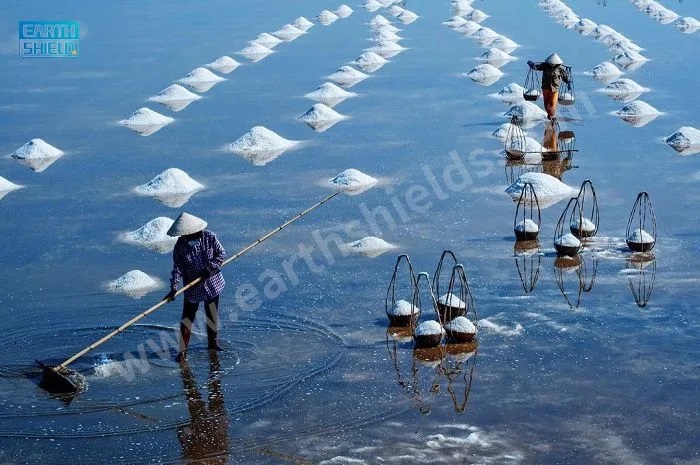
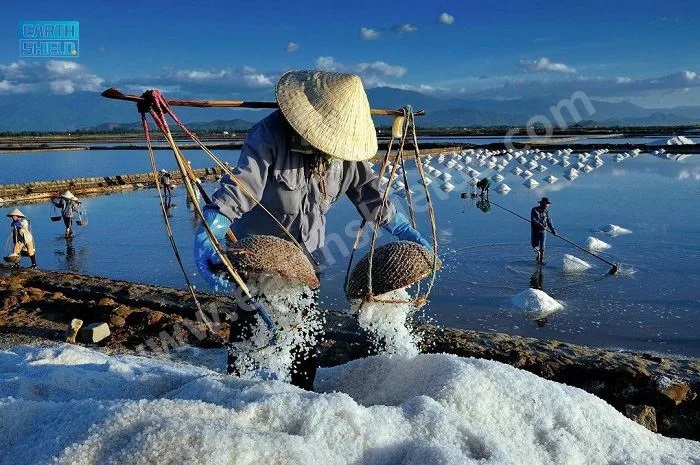
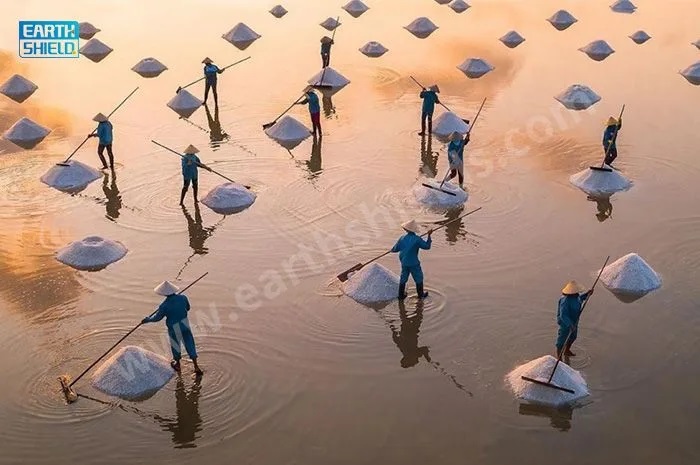
- The construction of embankments and Level the ground in the crystallization pond.
- Installation of the geomembrane layer. For geomembrane used in the salt industry, you can use the following thicknesses: 0.75mm, 1.0mm, 1.25mm, 1.5mm.
- Once the crystallization pond is ready, the salt production process using the geomembrane-based salt production method can be carried out.
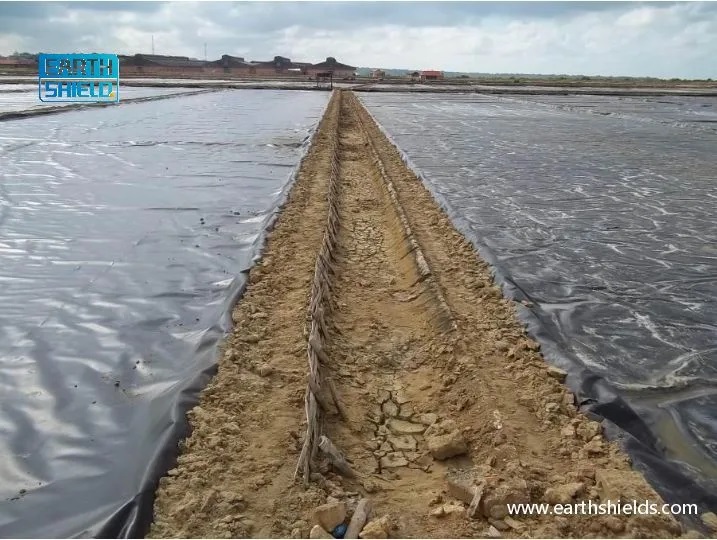
Madura Island is the largest salt producer in Indonesia, mostly the salt production is carried out by independent farmer since the 19th century using conventional methods, therefore the productivity of salt is low.
For the initial phase of the trial (2011), as many as 25 percent of the total area of 406 ha salt evaporation ponds were to be covered using 20 mil (0.5mm) HDPE geomembrane.
The trial showed that the area covered by HDPE geomembrane had its productivity increased to 460 percent. After 1 year (2012), the numbers suggest that productivity of the salt evaporation ponds with HDPE geomembrane was almost double of ones without.
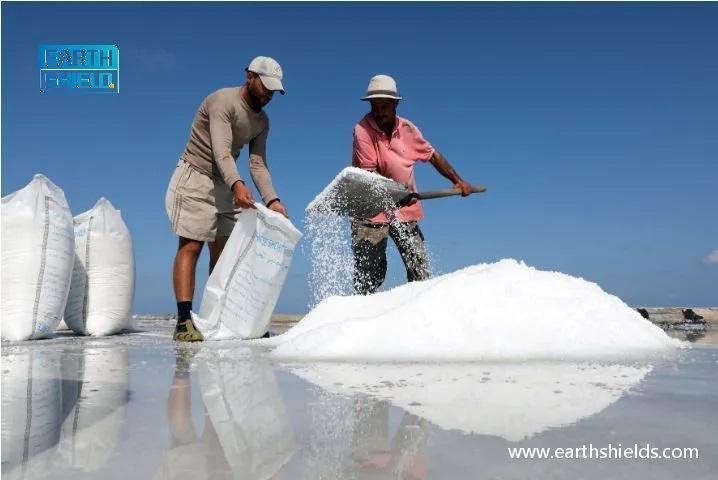
- Prevent water penetration: The geomembrane acts as an anti-penetration layer, preventing water from passing through the soil layer, thus maintaining the concentration of salt water and salt production.
- Protect the soil: The use of geomembranes can reduce soil erosion and the accumulation of salts in the soil, helping to protect the quality of the soil and the ecological environment.
- Improved salt quality: By controlling the penetration of water, geomembranes help maintain the purity and quality of salt, resulting in purer salt production.
- Improve production efficiency: Effectively preventing moisture penetration can improve salt production efficiency and reduce waste of energy and resources.
- Geomembrane Materials: Geomembranes can be made from a variety of materials, such as high-density polyethylene (HDPE), linear low-density polyethylene (LLDPE), polyvinyl chloride (PVC), ethylene propylene rubber (EPDM), or reinforced polyethylene (RPE). For salt fields, it is necessary to use materials that are resistant to chemicals and UV exposure, so HDPE Geomembrane is recommended.
- Geomembrane Thickness: The thickness of the geomembrane depends on factors such as the expected pressure of the salt water and the expected life of the liner. Thicker geomembranes offer greater durability, but may be more expensive. HDPE Geomembrane from 0.75mm to 1.5mm is recommended.
- Joint strength: Joints are weak points where leakage can occur. Ensuring that seams are strong and secure is critical to the effectiveness of the containment system. Correct installation of the geomembrane is key to preventing leaks.
- Chemical resistance: Geomembranes must be able to resist the corrosive effects of salt and other chemicals found in salt water.
- UV Resistance: Since salt fields are often exposed to sunlight, geomembranes should have UV stabilisers to prevent degradation over time.
- Flexibility: The geomembrane should be flexible enough to adapt to the contours of the salt flat without compromising its integrity.
- Geomembrane Installation: Proper installation techniques are critical to the effectiveness of the containment system. Installation usually involves preparation of the substrate, laying and fixing of the geomembrane.
- Monitoring and Maintenance: Regular inspection and maintenance of the geomembrane is necessary for early detection of any damage or deterioration to prevent leakage.
These factors must be taken into consideration when selecting an impermeable geomembrane for a salt field to ensure long-term effectiveness in preventing seepage and maintaining the efficiency of salt mining operations. As a geomembrane manufacturer and exporter for more than 20 years, our company can provide you with expertise in geomembrane installation and salt field management, which will help to select the most suitable solution for the particular salt field conditions, and is available online 24 hours a day!