


- Home
- Companies
- AFT Fluorotec Ltd
- Products
AFT Fluorotec Ltd products
PTFE Materials
AFT Fluorotec - Model AF001 - Virgin Polytetrafluoroethylene (PTFE)
PTFE is one of the most chemically inert materials known. It is used in many different; applications and industries Extreme chemical resistance & thermal stability. Very low coefficient of friction. Excellent electrical insulation. Wide temperature range. Almost infinite shelf life. Samples manufactured form this material have been certified in accordance with USP Class VI to 121OC by NAMSA.
Victrex Peek Materials

AFT Fluorotec - Model AF800 - Peek Materials for Oil and Gas Industry
In most applications, it is a combination of three or more of these properties that dictates the use of AF800 Peek Materials: High temperature resistance, Good electrical properties, Very low creep, High dynamic fatigue, Insensitive to Rapid Gas Decompression (RGD), Excellent hydrolysis resistance, High wear resistance, High erosion resistance, Ease of processing and machining, Excellent chemical resistance, High mechanical strength.
Other Products
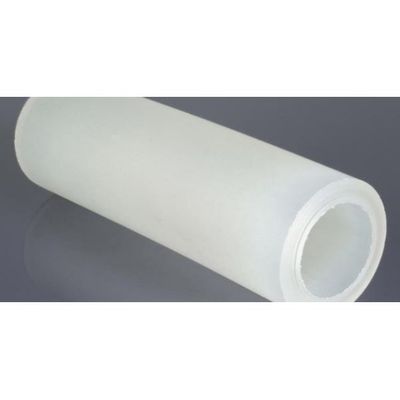
AFT Fluorotec - Model PCTFE - Tubes
PCTFE (Polychlorotrifluoroethylene) Is A Homopolymer Of Chlorotrifluoroethylene. The replacement of a single fluorine atom on the carbon backbone with a chlorine atom, changes the properties of the fluoropolymer to allow melt processing. Through melt processing PCTFE resin can be modified to give different mechanical and optical properties by controlling the crystalinity of the material. PCTFE can be moulded or extruded into rod, tube, sheet or plate to be CNC machined into a finished component. It can be supplied in a modified form as tape, oils, tubing, and as a coating.
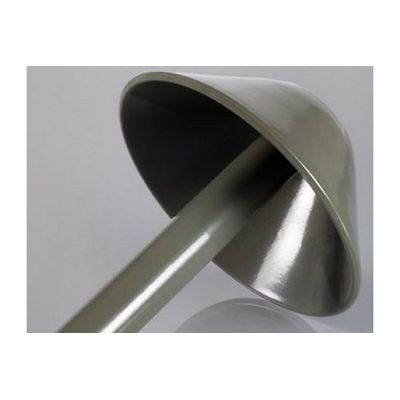
AFT - Halar ECTFE Coatings
ECTFE is resistant to most bases, acids and organic solvents and is widely used in both the chemical processing and pharmaceutical industries. Anti-static and filled versions are available depending on the application requirements.
Machining
AFT - Micro Parts
The progress made in design software in recent years enables design engineers to re-think engineering limits and set new standards in complexity, performance and miniaturisation. We are frequently tasked with the responsibility to translate concepts into reality and production batches – many projects have seen the light of day through our ability to develop techniques and tooling suited to micro machining. It is never simply a question of investing in a smaller machine to make a smaller part; we already operate machines designed for the watch making industry (in the days before watches needed to be recognisable at 50 metres on the touchline!). The skill is in altering tool holding and work holding practices, in predicting deflection of tools, in judging material speed & thermal transfer and a host of similar potential variables not usually experienced on larger components.