


- Home
- Companies
- AirLogics, LLC
- Products
AirLogics, LLC products
Air Quality Monitoring
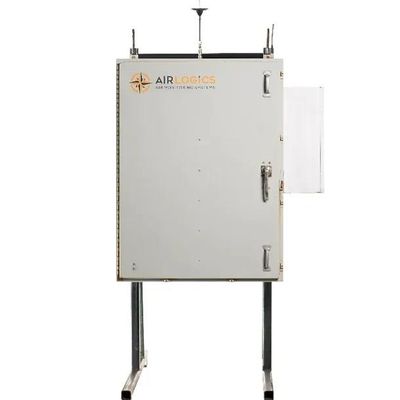
AirLogics - Model Classic 2.0 - Robust Air Quality Monitoring System
The AirLogics “Classic” 2.0 is our most robust monitoring system and can measure the following parameters in real-time.
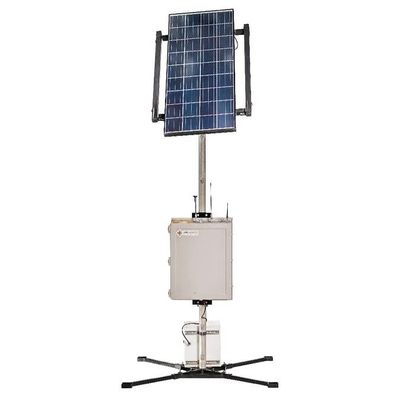
AirLogics - Model SolarLite - Air Quality Monitoring System
The AirLogics SolarLite system is solar-powered, and therefore more flexible than the Classic.
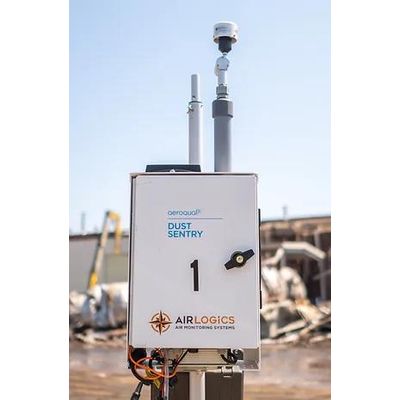
AirLogics - Model AQS-1 - Dust Sentry Air Quality Monitoring System
AQS-1 and the Dust Sentry are AirLogics’ newest and most nimble, modular, and customizable air monitoring systems.
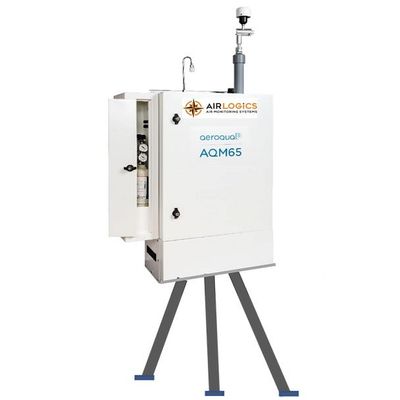
AirLogics - Model AQM-65 - Air Quality Monitoring System
Temperature controlled enclosure ensures accurate readings. Advance diagnostics and analysis software detects when the sensor parameters are sub optimal and alerts the user that a replacement is required.
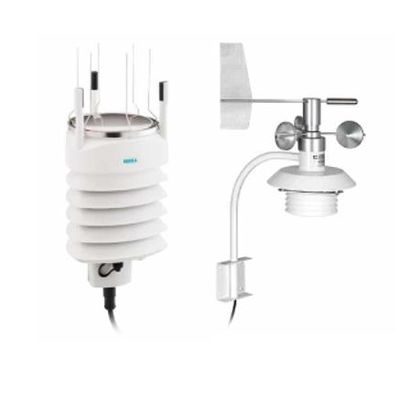
AirLogics - Model WXT536 - Weather Stations
The WXT536 and Met One meteorological monitoring equipment is low-maintenance and high performance, able to measure:
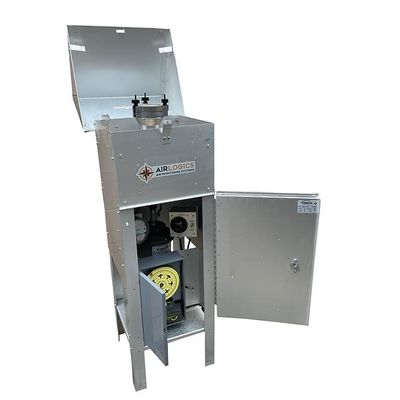
AirLogics - Model PUF - Air Sampler
Our high volume PUF air sampler can be used to collect samples for airborne particulates, volatile organic compounds, and airborne pesticides. The system incorporates a dual sampling module to collect airborne particulates onto the filter paper media and the vapor elements onto a piece of polyurethane foam in the lower chamber of the sampling module. These systems are designed to meet the requirements described for sampling using US EPA method TO-4A, TO-9A, and TO-13A.
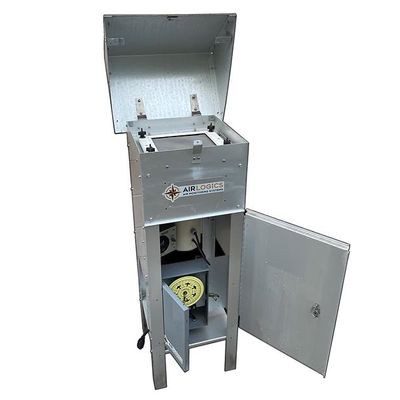
AirLogics - Total Suspended Particulate (TSP) Air Sampler
A total suspended particulate (TSP) sampler, or TSP high volume air sampler, is used for the collection of TSP matter in ambient air with no preference to size selection. The US EPA reference method for the collection of TSP is called out in 40 CFR 50, appendix B. The TSP high volume air sampler collects particulate at a flow rate between 39-60 ft/³min over a constant sampling period. The TSP high volume air sampler is used to determine the concentration of total suspended particulates or it can be used to determine the identity of the particulates.