


Alexander Comley Ltd products
Flanges
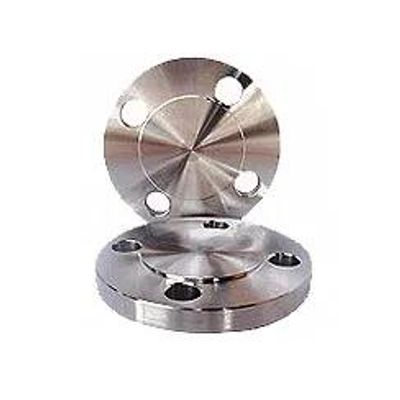
Alexander - Blind Flanges
Blind flanges are typically used to blank off pipelines. They are bolted on to adjacent flanged pipeline assemblies, where their solid centre acts as a seal. The blind flange can also be adapted by machining into it a smaller bore or a threaded bore. This reduces the bore of the pipeline.
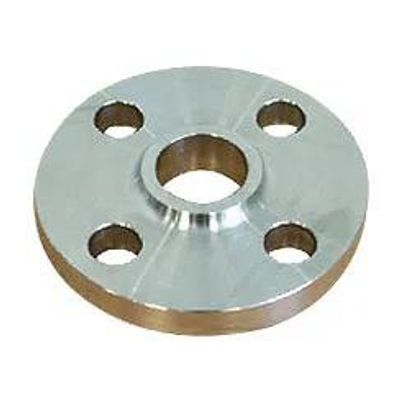
Alexander - Slip on Flanges
Slip on flanges have a bore that is fractionally larger than the outside diameter of the pipe to which it is to be fitted. The flange is slipped over the pipe and is then welded on both sides to fit into place. This then enables the pipe to be bolted to an identical assembly to connect both pipes together. Alternatively, the pipe can be blanked off by bolting a blind flange to the slip on.
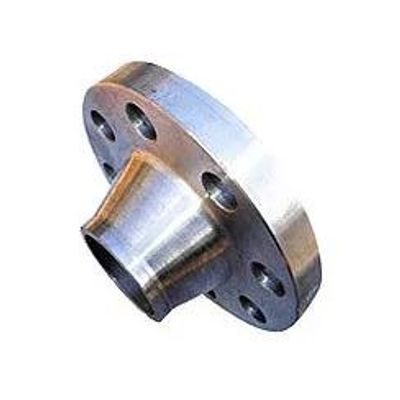
Alexander - Weld Neck Flanges
Weld neck flanges are easily identified by their protruding necks. Each flange neck is bored to suit the relevant wall thickness of the piping application on which it is to be used. Weld neck flanges tend to be used in higher pressure applications. Each weld neck has a weld prep at the end of the neck, so that is can be welded directly onto the piping. Once the weld neck is in situ, the pipeline can be blanked off using a blind flange or the bore reduced using a modified flange.
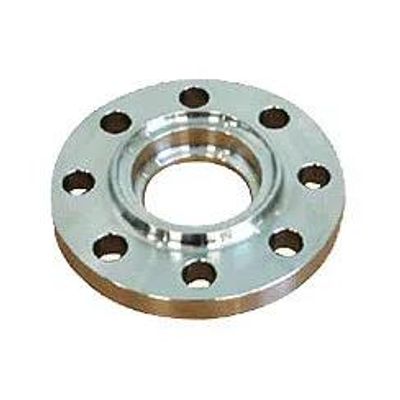
Alexander - Socket Weld Flanges
Socket weld flanges are similar in both dimensions and applications to slip on flanges. The major difference is that socket weld flanges have an internal recess in which the pipe sits. This then gives a better flow of fluid through the piping itself. As a rule, socket weld flanges are more expensive than slip on flanges due to the extra machining required to manufacture them. Socket weld flanges also tend to be used on smaller pipelines, typically ½”NB to 3”NB for 150lb – 600lb rated flanges and ½”NB to 2.1/2”NB for 1500lb rated flanges.