


Analytik Jena - an EndressHauser Company training
Analytik Jena - Professional Development and Training
Individualized training for intensive learning: We are happy to put together individualized training courses for you – at our application and training centers or on site with you, for one person or multiple employees at the same time.
Web Seminars for Food Analysis

Analytik Jena - Web Seminar Analysis of Beverages
The industrial production is a big challenge for the chemical and biological analysis of consumer products such as beverages. Along the long production chain, a lot of potential contamination can happen. The food industry has to put a lot of effort into establishing quality control and safety analysis mechanisms. The industry needs methods that are reliable, economically viable and integrate naturally into the chain of production. Which methods of analysis can do that? In this web seminar Analytik Jena is highlighting analytical methods for the reliable and efficient determination of various elements, elemental species, TOC (Total organic Carbon), CO2 from wine, beer, water and juice samples. There are also solutions for the determination of some quality criteria like color. Next to the chemical analysis portfolio, Analytik Jena will be presenting some molecular/biological analysis solutions for modern day QC labs as well.

Analytik Jena - Web Seminar Food Authenticity
Food and feed authenticity and safety is an ever-current topic which significance has increased with global trading routs and complex sourcing strategies. The results of food fraud range from deception of end customers, mislabeling, lower product quality, food imitation, economic losses, religious and ethical concerns to medical issues for the end-user. To protect consumer interest’s, food authenticity is checked in regard to claimed properties, purity, origin and production. Current approaches include physical-chemical methods, molecular biology, isotope analysis and substance profiling. Through this the species and GMO content can be confirmed.
Web Seminars for Oil & Gas Analysis
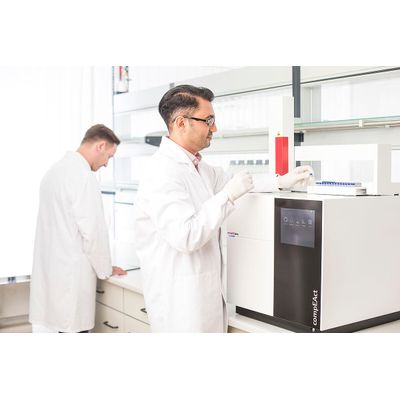
Analytik Jena - Web Seminar Simplify Your Quality Control
This web seminar will highlight the core benefits and concepts behind the compEAct, a single-purpose S/N analyzer. It will also present exemplary applications and measurements adhering to international standards.
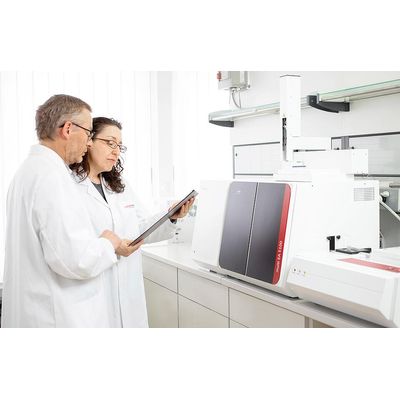
Analytik Jena - Web Seminar Creating Value in Downstream
In this web seminar our product specialists present solution strategies for complex application challenges in the downstream oil and gas industry. A special focus is on ICP-OES techniques for the analysis of elemental impurities in fuels like diesel, gasoline or naphta as well as the routine determination of carbon, nitrogen, sulfur and chlorine in these fuels via elemental analysis.
Web Seminars for Pharma & Life Science
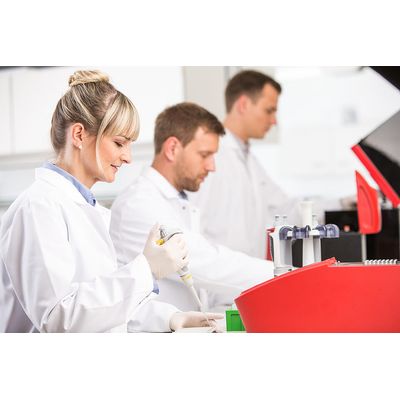
Analytik Jena - Web Seminar From Sample to Result
Molecular biology methods can be used in a wide variety of applications. To ensure that you get the maximum quality in your results, proper planning of the workflow and experimental set up is vital. This online seminar provides an overview of the steps needed to be taken in setting up a molecular biology lab routine. The individual steps will be expanded upon in the other installments of Analytik Jena’s Web seminar series.
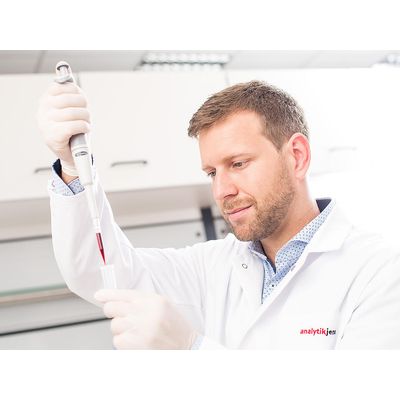
Analytik Jena - Web Seminar Find the Right Way to Prep
Thoughtful experimental set-up and correct sample preparation is vital to get the most out of a given sample. Whether you are seeking to analyze your specimens at the protein or the nucleic acid level, it is always important to keep some key points in mind.
Web Seminars for MALDI-TOF-MS
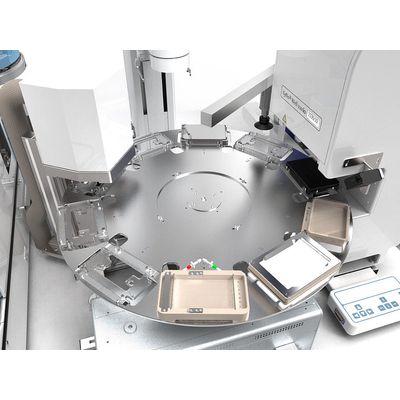
Analytik Jena - Web Seminar MALDI-TOF Sample Prep
Scale up to 1 Mio. samples a week. MALDI-TOF-MS sample preparation – A comprehensive view of automated liquid handling concepts. Matrix Assisted Laser Desorption Ionization Time of Flight Mass Spectrometry (MALDI-TOF-MS) has been recently developed and calls for novel approaches in the design of automated liquid handling systems. In this discussion, we provide an overview of application demands for a reliable sample preparation automation – from a small and easy-to-use workstation to a fully automated integration solution by Analytik Jena. We highlight the challenges that need to be overcome to improve the lab process including the liquid handling leading to an increased quality of your results. We present an outlook to further fields of applications possible with our systems such as SAMDI, biotyping, screening etc. In addition, we provide guidelines for selecting a suitable system for MALDI-TOF-MS sample preparation.
Web Seminars Chemical Analysis & Life Science
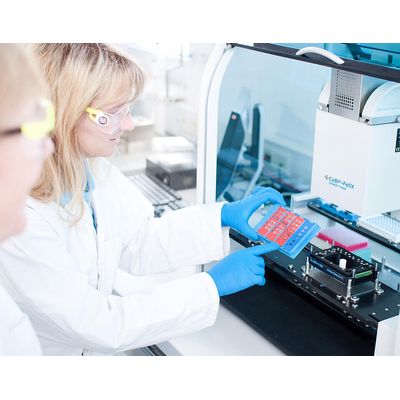
Web Seminar Workflow Automation - Find a Solution
The automation of liquid handling and laboratory processes will become more and more important for facing the challenges of today`s laboratory`s. With respect to the raising number of samples and requirements, customers are faced with a lot of questions and challenges when deciding for automating their workflows. Important aspects are the budget, lab space, number of samples, the so called "walk-away-time" and the reduction of human prone errors, to name here a few.
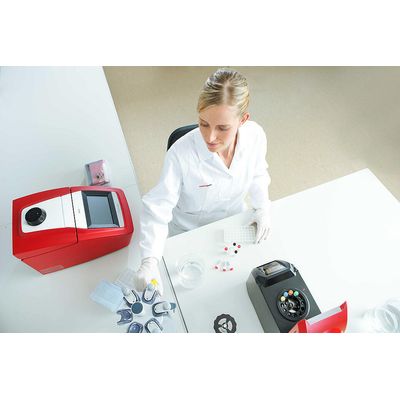
Analytik Jena - Web Seminar Optimized Workflow
Hepatitis virus infections concern people all over the world. According to estimates by the World Health Organisation (WHO, 2019), 71 million people are chronically infected with HCV. In 2016, the WHO published a Global Health Sector Strategy for the elimination of viral hepatitis. One important pillar of the program is to make treatment and diagnostics accessible and affordable for people in need. Approximately 260 million individuals worldwide are chronically infected with HBV, with highest prevalence in the WHO Western Pacific Region and the WHO African Region. Drugs like tenofovir or entecavir are recommended for treatment. However, these substances only suppress viral replication. As a result, lifelong treatment is necessary for individuals with HBV infection, and regular monitoring (after 4 weeks, 12 weeks and every 3-6 months) via quantitative real-time PCR should be carried out.