


Anguil Environmental Systems, Inc. articles
The Challenge
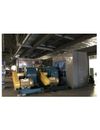
As individuals and corporations continue to push towards smaller carbon footprints, the use of Lithium-Ion Batteries (LIBs) has become increasingly prevalent. Specifically for individuals, the utilization of battery packs for all-electric automobiles and solar-powered home battery banks have continued to grow at a rapid rate. The manufacturing of these battery packs generates several air pollutants that must be treated prior to being released to atmosphe
The Challenge
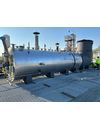
Many industrial furnaces operate in oxygen depleted conditions, emitting high levels of ammonia, NOx, and other nitrogen-bearing compounds. This presents a significant challenge for manufacturers striving to meet air quality regulations and limit carbon output.
Emission streams that contain nitrogen bearing hazardous air pollutants (HAPs) cannot be thermally treated in a traditional oxidizer system without forming additional NOx, making adherence
Overview
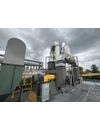
This case study details the challenges faced by industrial facilities in treating nitrogen-bearing hazardous air pollutants (HAPs) from oxygen-depleted furnaces, highlighting the limitations and high operational costs associated with traditional Selective Catalytic Reduction (SCR) systems for NOx reduction. To overcome these inefficiencies, Anguil developed the Multi-Staged Direct Fired Thermal Oxidizer (MS-DFTO), an innovative system that utilizes compartmenta
Industrial processes often generate wastewater that is challenging to handle due to its high pollutant volume, complex composition, and unpredictable variability. The complex and variable nature of effluent necessitates a thorough analysis of its physical and chemical characteristics.
This analysis is the foundation for designing the most cost-effective and efficient treatment process for your needs. As companies look to reduce operational costs, effective and autom
Sean Cook
Increased regulatory pressures are driving many industries to rethink their wastewater management strategies. These regulations aim to restrict the discharge of untreated water that can harm the environment and human health.
However, finding a cost-effective solution can be challenging. Some companies turn to third-party water hauling companies to transport and dispose of their wastewater, while others consider onsite treatment options.
Mu
Sean Cook

If your industrial process involves significant amounts of wastewater discharge, then you’ve probably got your hands full with meeting tightening regulations and higher water quality standards while keeping your operational costs and capital expenditure under control.
Add to that an often bewildering mix of vendor agreements, each providing a specific service or a piece of proprietary equipment, and you’re likely spending valuable hours managing a remedi
Sean Cook
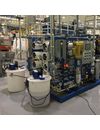
The United States consumes an estimated 322 billion gallons of water daily. Industrial applications account for nearly half this total usage.
Industrial wastewater presents tremendous challenges to companies and the communities they operate within. The amount of water consumed, plus the significant effluent produced by industrial clients poses great challenges and costs for both the industrial client and the local municipality.
Compa
Preston
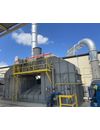
The Challenge
As the lithium-ion battery industry grows rapidly, old technology is being replaced with new. Furthermore, the lithium-ion batteries powering electric vehicles (EV’s) will not last forever. Due to degradation, the typical lifespan of an EV car battery is 10-20 years or between 100,000 and 200,000 miles. So, what happens to these batteries when they’ve reached the end of their life?
EV Battery Recycling is a growing market in the US, e
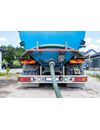
Industrial water pollution control is tightening as regulatory agencies are imposing more stringent requirements on industrial users.These regulatory laws are enforced to restrict the discharge of untreated wastewater containing oils, chemicals, metals, and contaminants that are destructive to the environment and people exposed to it.
Proper disposal of wastewater is essential, but looking for a cost-effective solution can be challenging. For some industries, this results in hiring th
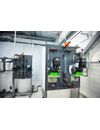
Investing in an effective treatment system is crucial for businesses that generate wastewater. It ensures compliance with environmental regulations and demonstrates a commitment to sustainability.
However, the price tag of implementing and maintaining such a system is not a one-size-fits-all proposition. Understanding the factors that influence industrial wastewater treatment costs is key to making informed business decisions and avoiding unexpected expenses down the line.
Rea