

- Home
- Companies
- AP Safety Training
- Training
AP Safety Training training
Agriculture
Grain Elevator Safety Training
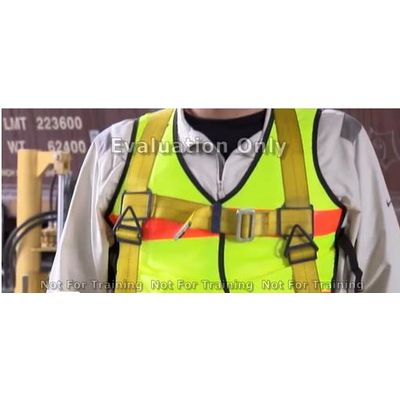
There are a multitude of potential hazards when working in or near a grain elevator. This safety video takes a detailed look at personal protective equipment, confined space entry, grain bins, and grain dust explosions.ators. Dynamic training assignments. Robust reporting capabilities.
Arc Flash / NFPA 70E
Safe Electrical Work Practices and the 2024 NFPA 70E Training for Electrical Workers
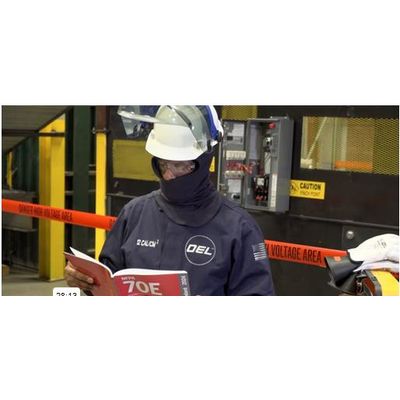
This program provides electrical workers with an understanding of the requirements of the 2024 NFPA® 70E® that relate to the safe performance of electrical work. It explains the dual hazards of electric shock and arc flash as well as the factors that contribute to the severity of injury. Electrical workers will also learn the conditions that require an electrically safe work condition to be established as well as the step-by-step process of creating and verifying an electrically safe work condition.
Electrical Safety Related Work Practices and the 2021 NFPA 70E Training for Supervisors and Managers
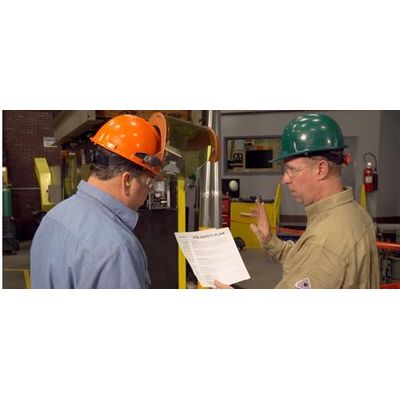
This program provides supervisors and managers of electrical workers a clear understanding of the requirements of the 2021 NFPA 70E. Included in these requirements and outlined in this program are the hierarchy of controls to eliminate electrical hazards, the required elements of the electrical safety program, worker training requirements, program audits, risk assessments and the proper labeling of electrical equipment for shock and arc flash hazards. The dual hazards of electric shock and arc flash are explained in this program as well as the factors that contribute to the severity of injury, including an explanation of the incident energy associated with an arc flash and how this is used to establish the Arc Flash Boundary distance.
Attitude

Safety: What’s your Role Training
When it comes to having a successful safety program, we all have a role to play, and the part played by each employee is defined by his or her actions and behaviors. This program tells the story of two serious workplace incidents from the point of view of those involved. Viewers will learn to recognize the behaviors and actions that contributed to the incidents. For example, being a bad influence, risk-taking, complacency, rushing and being timid about speaking up are all illustrated as traits or "roles" that undermine safety and contribute to workplace incidents. As the program progresses, viewers will learn that setting good examples, being receptive to safety advice, avoiding shortcuts, speaking up, and being a safety advocate are roles that prevent injuries and improve the overall safety culture. They are also asked to consider the part they are currently playing and recast themselves into a new role that will make a positive safety difference.
Aviation

Lockout/Tagout Training for Aviation
Lockout/tagout procedures are vital to a safe work environment. Everyone in your facility needs to be aware of proper lockout/tagout procedures. This video is a great way to start your training.easures they can take to prevent them.
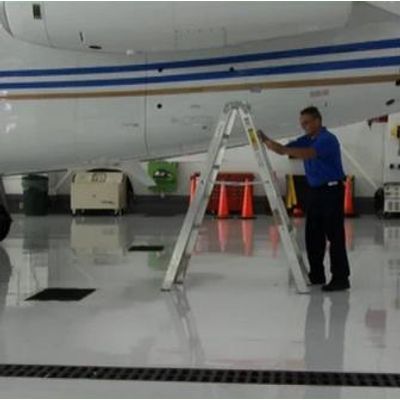
Ladder Safety Training for Aviation
Ladder accidents are commonly caused by improper selection, care, or use. Some of the more common hazards are involving ladders include instability, electrical shock, and falls, all of which can be predicted or prevented. Other factors contributing to ladder incidents include complacency about the potential danger, lack of attention when climbing or descending, overreaching, and more.

Flight Attendant Safety Training For Aviation
Flight Attendants have a lot of responsibilities. But, the primary objective of the Flight Attendant job is safety. Safety requires knowledge that comes from both training and experience. In this program we examine a typical business aviation Flight Attendant trip with emphasis on safety awareness, with respect to passengers, crew and the aircraft. Flight Attendants manage safety aspects associated with trip from preplanning the flight through the close of the trip. Topics include Food Safety, Safe Lifting Procedures, Pre-Trip Planning, Safety Checks and much more.t will help them be prepared for and respond to a crisis or an emergency.

Dangerous Goods Training for Aviation
Dangerous goods, restricted articles, hazardous materials... They are all different names for the same thing: items that may endanger the safety of an aircraft or persons on board the aircraft. Obviously, a short training program can`t cover every single item that may present a hazard on board an aircraft, but this program can and will provide you valuable guidance. Common items such as batteries, dry ice, and others are discussed, as well as what can and cannot be taken aboard the aircraft, what can only be taken as a carry-on item, and what can only be stowed as baggage. It`s important that everyone on your crew knows these particulars and are able to pass along this information to travelers.