

APC Technologies, Inc. products
Air Pollutants Controlled
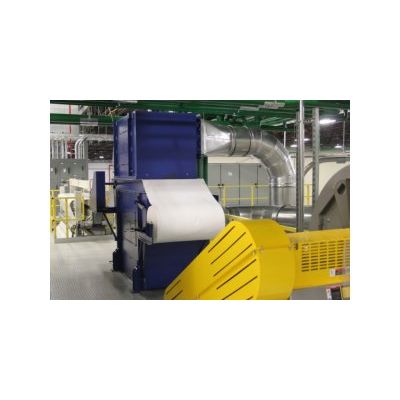
APC - Particulate Matter Control Devices
APC Technologies, Inc.’s Ultra High-Efficiency Filter (UHF®) systems use a special design for solid particulate and liquid/mist control including smoke, oil mist, condensed hydrocarbon fumes, haze, heavy metals, dust, and bacteria emissions with control efficiency of up to and in excess of 99% including sub-micron size particulate. Applications range down to particle sizes of less than 0.05 micron. When the particulate is sticky, oily, and/or corrosive, the UHF® is especially advantageous as the UHF® has no issues with blinding or plugging.
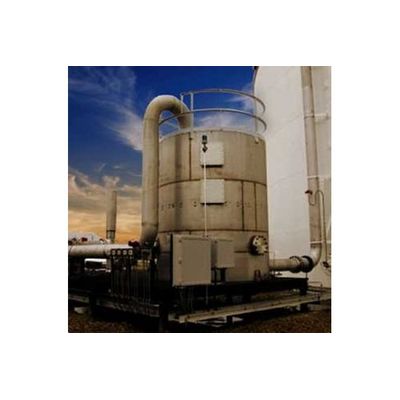
APC - Odor Control Systems
APC Technologies offers five odor control systems: CarbonPure Adsorption Systems, GP Series (Wet) Gas Scrubbers, Thermal and Catalytic Oxidizers, and Ultra High-Efficiency Filter (UHF®) systems. A variety of factors should be considered when selecting an odor control system, including inlet odor concentrations, contaminants present and loading levels, and lifecycle cost of each system. APC has no bias toward any technology and is pleased to present multiple technologies with comparison of capital and operating costs.
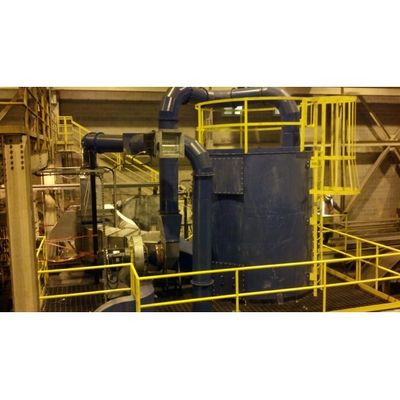
APC - Mercury Emission Control System
Applications for MercPure Series mercury control systems include sewage sludge incinerators (SSI’s) at wastewater treatment plants, gold processing plants, hospital waste incinerators, municipal waste incinerators, waste-to-energy plants, fossil fuel fired boilers, LNG production plants, antimony processing plants, retort furnaces, fluorescent bulb manufacturing, chlor-alkali plants, taconite plants, chemical plants, and specialty refineries.
APC - Opacity Control Systems
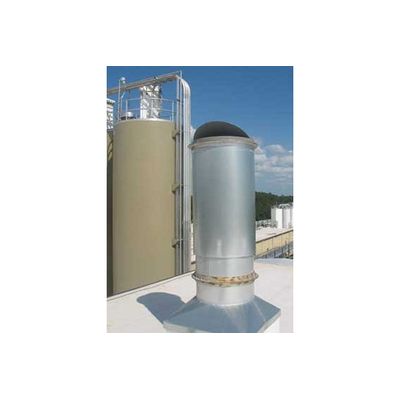
Many industrial processes and other stationary sources discharge visible emissions to atmosphere. Such visible emissions, or opacity, are caused by fine particulate matter and aerosol in the exhaust; the smaller the particle size, the greater the opacity. The fine particulate and aerosol emissions may be solid phase particulate, condensed (i.e., liquid) phase particulate, or a combination of both. Opacity levels are regulated by federal and state/provincial agencies, typically to a level of 20%, or less in some cases.