


Applied Geology is a Division of Xplor Ltd, services
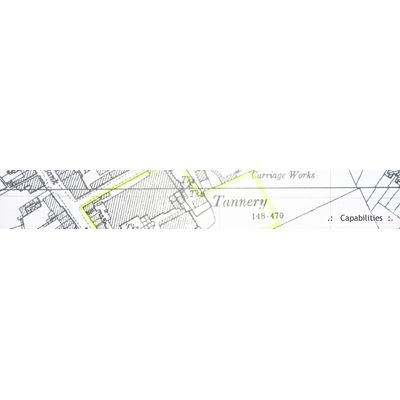
Phase I - Desk Studies Service
For many years advocated by Applied Geology as an essential element of the investigation process, desk studies are now routinely required by regulatory bodies as part of the Planning process. It is now commonly accepted that a thorough desk study, with associated walk-over, is essential in the preparation of a Conceptual Site Model (CSM), the design of an appropriate ground investigation and subsequent assessment.
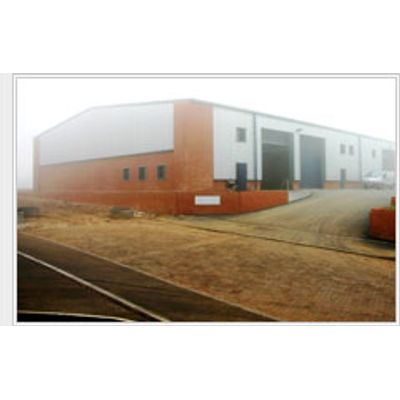
Geotechnical & Geoenvironmental Ground Investigations Services
Applied Geology has extensive experience in the design and execution of both single purpose and combined geotechnical and geoenvironmental ground investigations. The extent of individual projects undertaken ranges from a single trial pit, to complex multi-phased investigations utilising conventional and innovative techniques on both greenfield and brownfield sites.
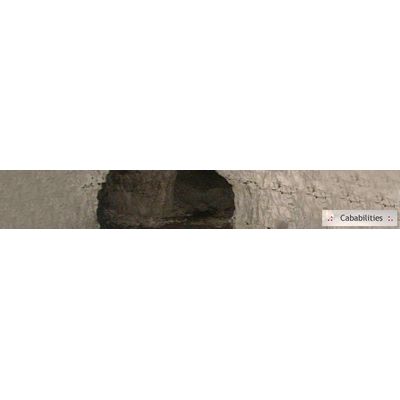
Mineworking Appraisals Service
Within specific areas of the United Kingdom, the potential for former shallow mineworkings is often identified during a Phase I Desk Study. Workings can be resultant from extraction of various materials including Coal, Ironstone, Fireclay, Limestone and Chalk. Where the potential for shallow mineworkings is identified during a desk study, this normally requires additional more detailed research. This includes a detailed geological assessment based on large-scale geological maps, and a review of data held by the British Geological Survey, Coal Authority [Abandonment Plans] and/or Local Authority. Following on from this, the Phase II physical investigation can be appropriately designed to incorporate the needs of the mining investigation, alongside other routine geotechnical and environmental requirements.
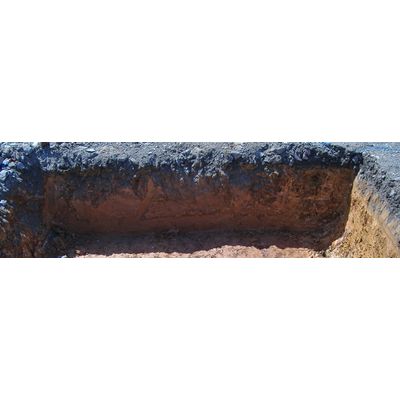
Geotechnical Appraisals Service
Applied Geology has extensive experience of undertaking geotechnical appraisals for a wide range of development types on both greenfield and brownfield sites. Our specialists have experience in the following:
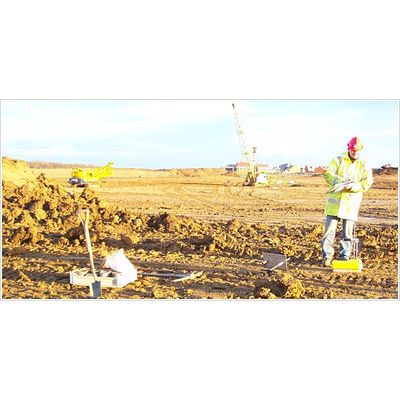
Earthworks Appraisals & Supervision Services
Earthworks schemes are often required prior to construction, particularly on large sites, to facilitate a flat and level development area. Specifically, major earthworks schemes are often required for large commercial warehouse buildings which occupy large level floor areas, often in the range 250,00 to 750,00m2. Large external yards and parking further increase the requirement for cut and fill. Few development sites exist which can accommodate such large buildings and external yards without the need for some regrading and engineering of site won material. In many cases, extensive cut and fill programmes are required.
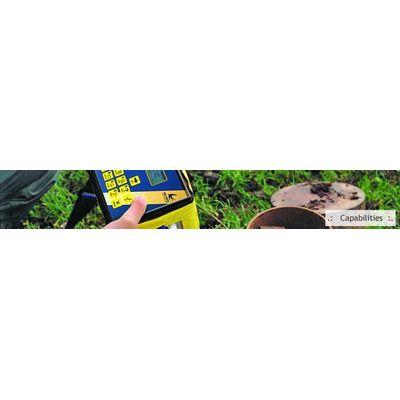
Monitoring, Sampling and Testing Gases, Groundwater & Soil Services
Monitoring of soil gas and groundwater levels in-situ is often required as a routine element of the majority of ground investigations, particularly where the potential for hazardous ground gases has been specifically identified as a potential concern as part of the desk study or during the physical investigation works. Monitoring of groundwater levels is also an essential part of both geotechnical and contaminated land investigation.
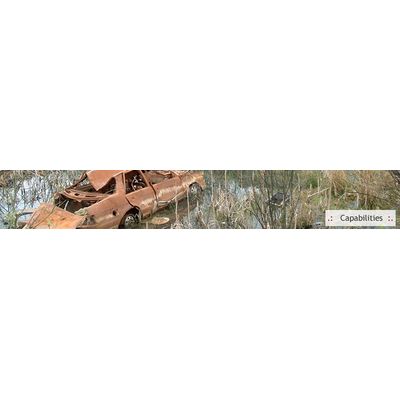
Contaminated Land Appraisals Service
Contaminated Land Appraisals are undertaken both as part of an overall Geotechnical and Environmental Site Assessment but also, specifically, to check on the contaminated land potential of a site or to provide data to satisfy Planning Conditions imposed by the Local Authority. A Phase I Desk Study is initially undertaken to permit the development of a Conceptual Site Model (CSM) and this is then investigated as dictated by the site condition and pollutant linkages identified. The results of the work are then risk assessed and pollutant linkages confirmed, or otherwise. The presence of pollutant linkages dictates whether remedial actions are required.

Quantitative Human Health Risk Assessments Service
Quantitative Human Health Risk Assessments are carried out as a matter of course following all Phase II Investigations where contamination testing has been undertaken and requires to be assessed to establish the potential risk to the end user of the site. Where CLEA SGVs are available, a Tier 1 assessment is initially undertaken based on this data. For contaminants where CLEA SGVs are not available, Applied Geology has developed a series of Tier 1 values which can be used in the absence of CLEA SGVs and additionally has the capability to derive Site Specific Values using SNIFFER and other models.
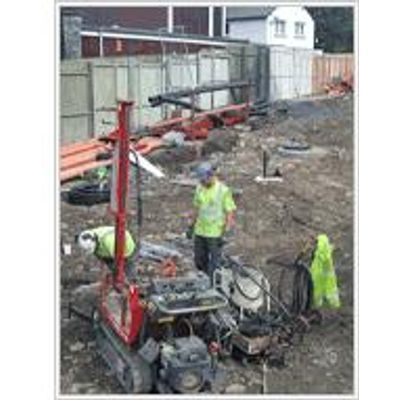
Groundwater Risk Assessments Service
Where a Controlled Water is deemed to be at potential risk from contamination, be it either a surface water course or groundwater, a Quantitative Groundwater Risk Assessment (QGRA) may be required. Commonly, this is needed to satisfy the requirements of the Environment Agency as a Consultee on a Planning Condition, though assessments may also be undertaken for other regulatory compliance and corporate due diligence purposes.
Remediation Strategies – Design, Supervision, Validation Services
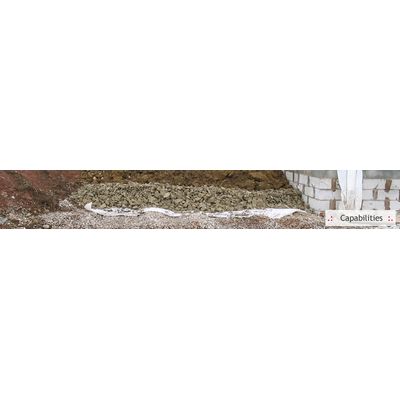
Following the identification of pollutant linkages on a site, a remediation strategy needs to be agreed with the appropriate Regulatory Bodies (e.g. Local Authority, Environment Agency, National House-Building Council) prior to its implication. This is achieved by the development of a Remediation Method Statement (RMS) in conjunction with the client and the site restraints. On relatively simple sites this is undertaken by Applied Geology in conjunction with the groundworks contractor. On more complex sites, a RMS is commonly developed in conjunction with a specialist remediation contractor to ensure that the best solution is adopted for the problems identified.