

Applus RTD Group services
Advanced Activity
Advanced Services
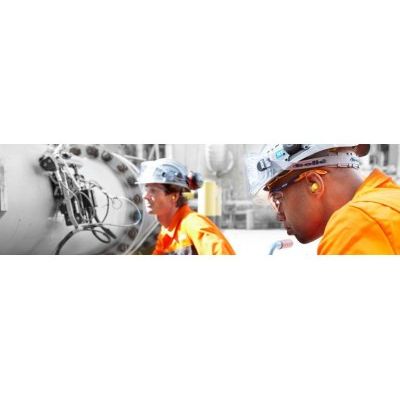
Applus RTD has developed innovating techniques for over 75 years, to provide our clients with the best possible solution for their challenges in NDT, Inspection and Certification. To provide the best possible services and technologies we have an in-house Research & Development department and we develop our own ultrasonic probes in-house as well.
Asset Integrity
Certification Services of Asset Integrity
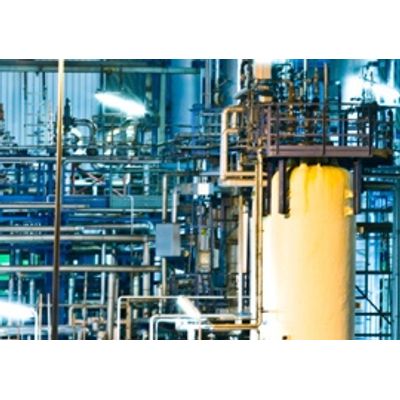
Applus RTD offers full service certification for customers’ assets, which complements its inspection and testing service. Asset owners and operators are increasingly aware of the vital need to optimize asset management procedures in multiple environments, worldwide.
Engineering Critical Assessment
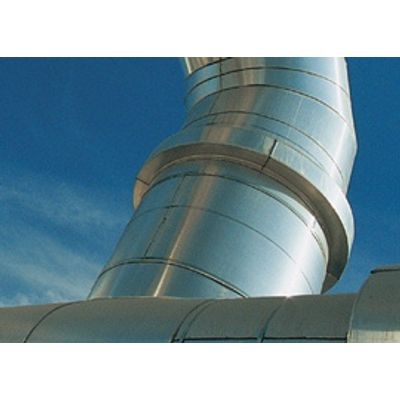
Determining maximum allowable flaw size for known materials, in all construction and operating conditions. Welding fabrication codes specify maximum tolerable flaw sizes and minimum tolerable charpy energy levels, based on good workmanship. Achieving these standards however, does not ensure that a certain minimum risk tolerance has been obtained.
Inspection Services
Construction Inspection and Consultancy Services
Applus RTD provides inspection and consultancy services during the construction phase of new industrial asset development. Asset owners and operators aim for the highest quality design and construction of new industrial facilities in order to achieve their strategic goals.
Non-Destructive Testing
Eddy Current Testing Services
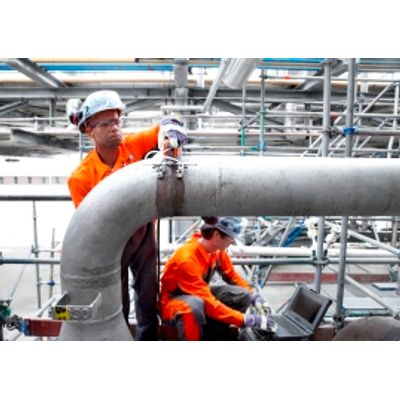
Eddy Current testing is used to detect discontinuities in assets, such as pipes and tubing, by subjecting them to a strong external magnetic field.
Laser Profilometry Services
Highly accurate measurement of the depth profile of corroded areas on pipeline or pressure vessels with the aim of performing FFS analysis. Corroded areas on pressure equipment need to be repaired or assessed before further service can be considered. Current methods usually involve using tools like bridging bars, pit gauges and ultrasonic probes on a coarse manual grid. These methods are time consuming and sensitive to human error. In pipelines, where in-line inspection (ILI) runs may find hundreds of corroded areas, these methods may lead to lengthy and expensive projects that yield results inspiring less than the required level of confidence.