


Argonne National Laboratory services
Environment
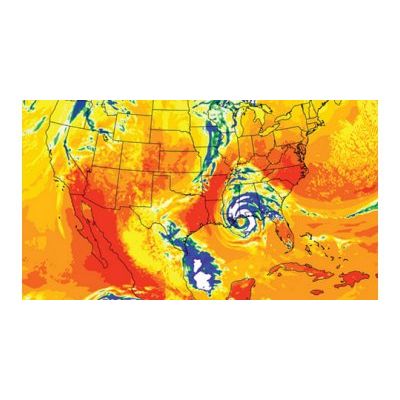
Atmospheric and Climate Science
Changes in climate can affect biodiversity, the cost of food, our health, and even whole economies. Argonne is developing computational models and tools designed to shed light on complex biological processes and their economic, social, and health effects. Research spans the molecular level to whole organisms and their interaction with climate, the ecosystem, and human activities. The goal is to improve our understanding of the world around us while increasing the accuracy of regional climate models to better inform public policy.
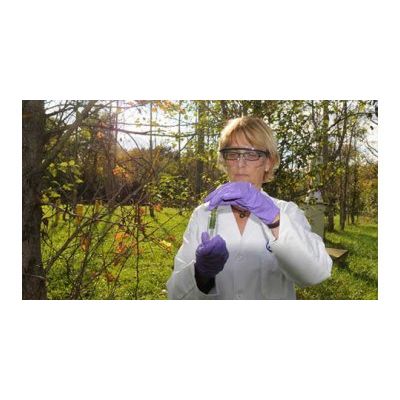
Ecological Resources and Systems
Argonne knows that our world exists in a delicate balance with technology. Our research focuses on measuring advanced energy and technology"s effects on the world"s ecological systems, creating preventive strategies to protect the Earth from harm and inventing new ways to preserve green resources for all.

Environmental Security & Restoration
Argonne"s work in environmental restoration addresses soil, surface water, sediment, and groundwater at contaminated sites, starting with environmental evaluations and planning projects. Assessments are also conducted of approaches for long-term stewardship of remediated sites with residual contamination. Remedies range from precise excavations to innovative combinations of engineered wetlands and phytoremediation. Argonne researchers conduct approaches for long-term stewardship of remediated sites with residual contamination. The objective of environmental security programs is to support efforts to reduce national and international threat from nuclear, biological, and chemical weapons.
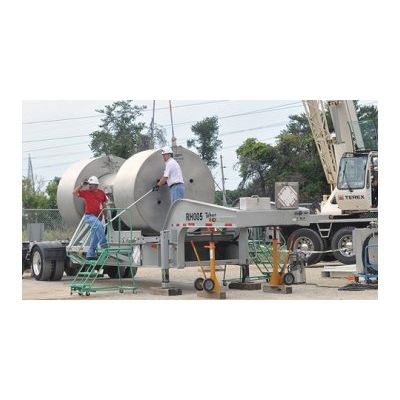
Radiation & Chemical Risk Managment
Argonne"s work in radiation and chemical risk management includes the development of information and tools to support decision making based on health, safety, environmental, economic, and socio-cultural risks. As an example, Argonne-developed set of RESRAD codes are the leading methodology approved by the U.S. Department of Energy for evaluation of cleanup guidelines at sites formerly used for nuclear material production.