

ARM Ltd. products
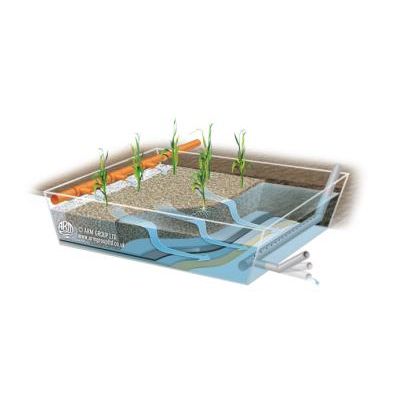
Horizontal Flow Reed Bed Plant
The Horizontal flow Reed Bed is the most commonly used reed bed system in the UK. It provides continuous treatment with minimal mechanisation.
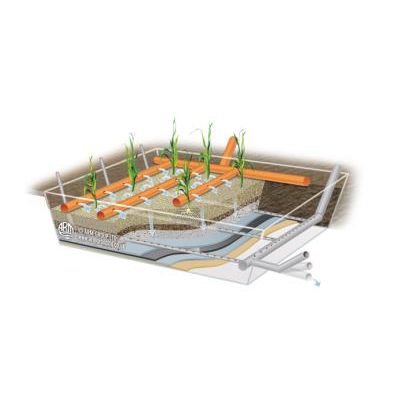
Unsaturated Vertical Flow Systems (VF)
Unsaturated vertical flow (VF) systems are essentially the same as the horizontal flow systems in that they comprise a lined excavation. Unlike the horizontal flow reed bed the vertical flow is not constantly flooded but free draining. The effluent is applied in a batch process across the surface of the bed until the surface is flooded. The effluent gradually drains down through the bed with air replacing the wastewater in the bed as it drains. The next dose traps the air which leads to a highly aerated system with good oxygen transfer permitting increased microbial growth and activity. Unsatruated VF systems are more effective than HF systems at ammonia removal due to increased oxygen levels within them and can cope with stronger effluents.
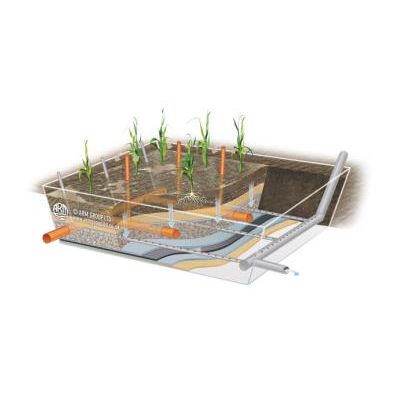
Sludge Treatment Reed Beds Plant (STRB)
Sludge Treatment Reed Beds (STRB) have been used to treat sewage and drinking water sludges. Developed from the planting of reeds into a pre- existing sludge drying beds, they differ from the conventionally constructed reed bed designed for the purpose of wastewater treatment, as the STRB’s basic function is to hold sludge, allowing it to dewater leaving behind a sludge cake.
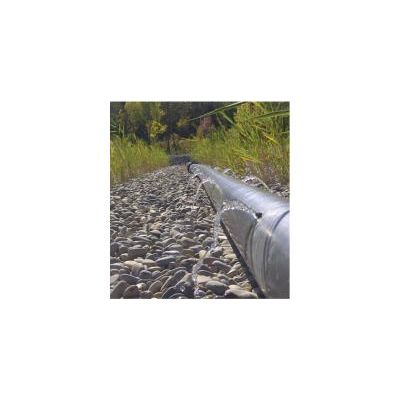
Phragmifiltre - Reed Bed Technology
Phragmifiltre is the first reed bed technology in the UK that provides complete treatment of macerated or raw sewage in one wetland system, with no pre-settlement using little to no power. This signifies a major change in thinking towards a natural and sustainable alternative for sewage treatment in the UK where reed beds have been traditionally used as a secondary treatment after settlement and as tertiary treatment to polish effluent prior to discharge.