


axiVEND products
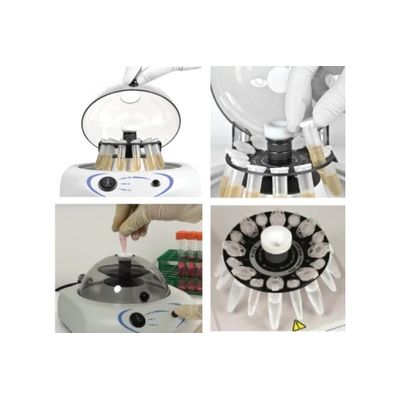
axiVENd axiSPIN - Microcentrifuge Tube Vortexer
The axiSPIN microcentrifuge tube vortexer is a cost-effective device essential for all lab benches. The combo micro centrifuge combines a tube vortex mixer for invaluable space savings. It allows combined or independent centrifuge and mixing of 0.2, 0.5, or 1.5 ml microtubes and PCR tubes.
Spotters
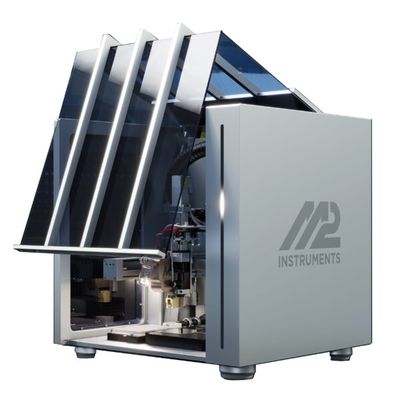
axiVENd - Model iFOUR - Microarray Spotter
The iFOUR microarray spotter is M2-Automation’s newest addition to the spotter family. This system was designed to provide an entry point into the M2 dispense technology. It is a very small unit that accepts the very same dispensers that are available on the larger systems (iTWO, iONE, iZERO). The small area for spotting is sufficient for early activities, such as biochip development. Imaging capabilities are present for droplet QC, and for target spotting visualization and alignment.
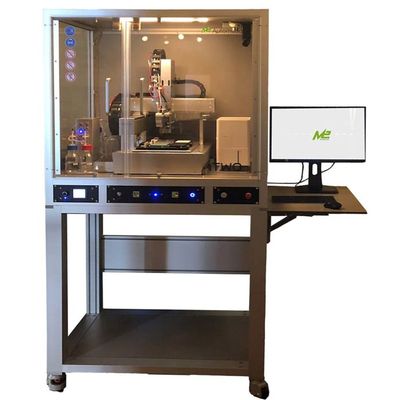
axiVENd - Model iTWO-300 - Microarray Spotter
The iTWO-300 microarray spotter is M2-Automation’s newest addition to the spotter family. Providing its users with a broad range of custom-tailored solutions, the iTWO™-300P is ready for any challenge to come. With a larger area for production (220 x 300 mm) and an improved repeated positioning (Quattro-Dispensing or the online-QC and a variety of camera options.
Plate Filling
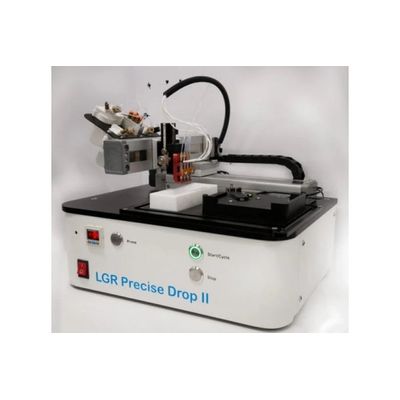
axiVENd - Model Precise Drop™ II - Micro-Dispensing System
Traditional hand pipettes and liquid handlers have very poor accuracy and precision below 2 microliters. Yet, in order to maximize the results one can obtain from limited protein availability, miniaturizing assay volumes is critical. The Precise Drop II was created to address this need for sub microliter accurate and precise volume reagent dispensing into microtiter plates.
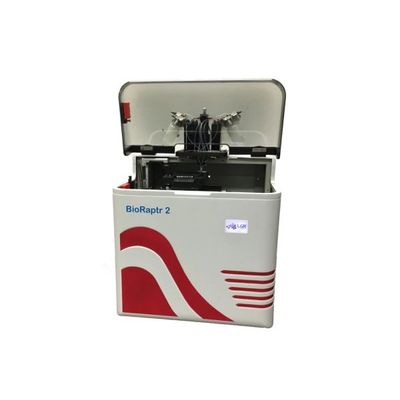
axiVENd - Model BioRaptr 2.0 - Nanoliter Dispensing System
LGR‘s BioRaptr nanoliter dispensing offers precise dispensing, dispense-on-the-fly, and all the great features of the current system plus all new controls and software. Yes, we are bringing the BioRaptr back with all the great features of the current BioRaptr, and this BioRaptr 2 FRD is able to run your current dispense files.
Microarray Readers
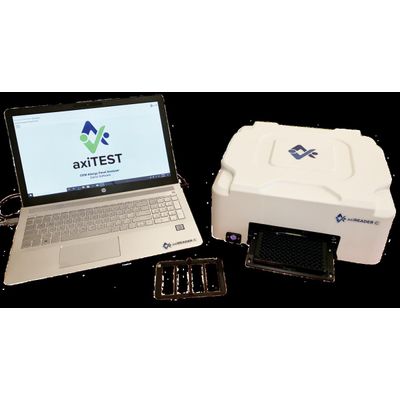
axiVENd - Microarray Imager
Performing multiplex tests and microarrays experiments require a detection step, usually with Microarray imagers. Two of the most commonly used detection modalities for microarrays are colorimetric and fluorometric. The axiREADERS are available as colorimetric or fluorescence versions. The compact and portable instruments can image microarrays from microtiter plate wells or from slides. The software uses artificial intelligence for the best in automated spot finding, and quantitative data analysis. Many powerful features are built-in to allow complex data analyses. It can use data from plate level wells, in addition to intra-well arrays values, to perform calculations. For example, your test may include standard calibration curves with the target analyte varying concentrations in each well. This is standard good assay design practice and the axiREADERS can fully accommodate the data set.
Vial Filling
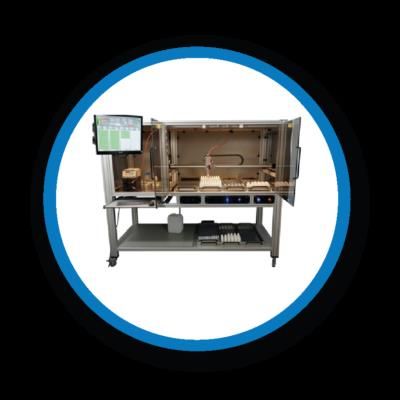
axiVENd - Vial Liquid Filling System
The vial liquid filling system fills a gap in the filling production chain. It is a perfect fit for when production needs extend beyond manual operations, and until very large production quantities are needed. instrument602 is a highly flexible filling machine with a wide volume range. It is perfect for aliquoting liquids into four adjustable trays for ELISA, cell media and other bottles. This system is perfect if you have a need to fill multiple vessels such as small vials and larger bottles. This is often the case when producing diagnostics or food testing kits. M2-Automation developed instrument602 to provide a unique solution for the demanding challenge to cover a large volume range as well as the ever changing geometry of target vessels.
iRiS Kinetics
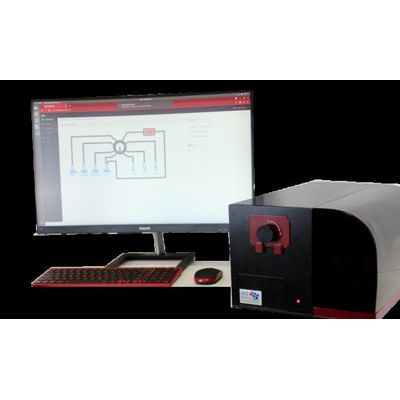
axiVENd - Label-Free Measurements
Introducing an affordable way to obtain quality kinetic binding data. Until now, real-time label-free biomolecular interaction studies have been out of reach for some labs due to limited budgets. Analyses may also have been outsourced leading to delays in accessing the data for ongoing studies. The new compact, easy-to-use system, from Iris Kinetics, expands access to high quality data, making it available in your lab. Measurement of binding kinetics for antibody development and other applications are now within easy reach. With a broad range of kinetic measurements, like binding affinity, association and dissociation rates (Ka and Kd), you can make informed decisions faster. The measurements are quantitative and calibrated to the mass of the adsorbed layer, while offering a dynamic range of 4 orders of magnitude in molecular weight. The low cost sensor chips can be used for single or multiplex biomolecular affinity measurements.